






 Portuguese
  Spanish


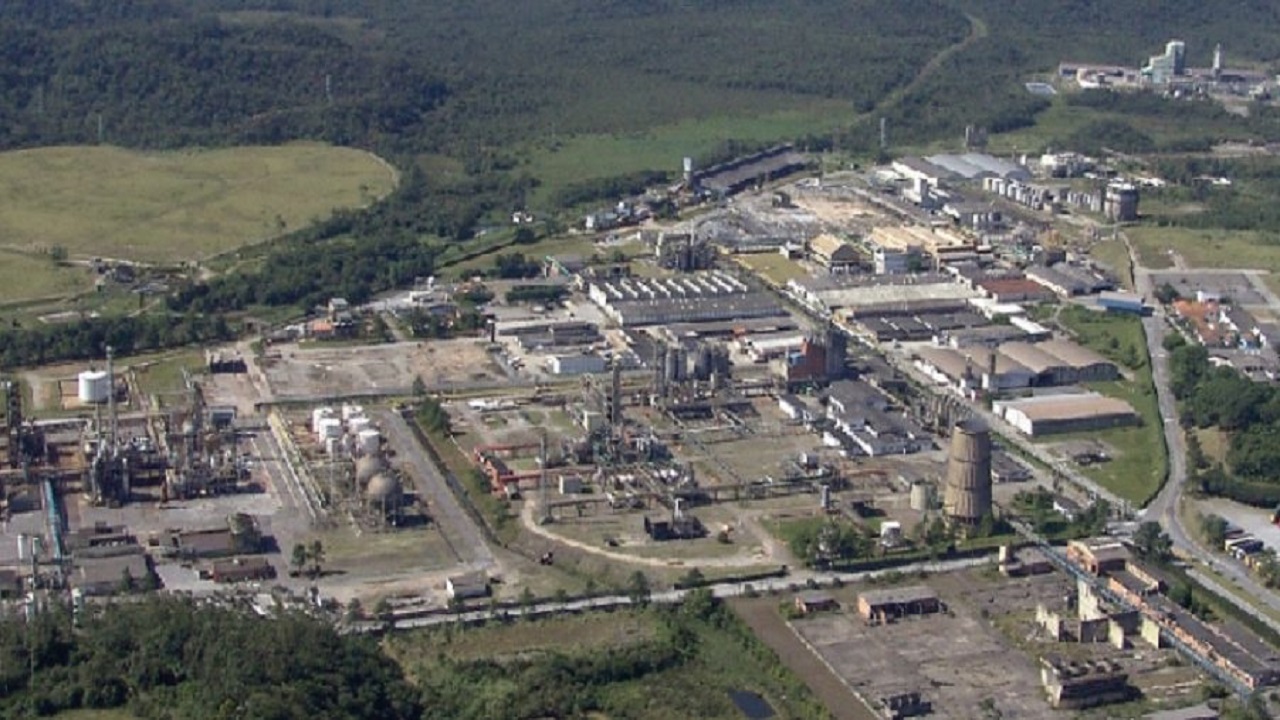


Unipar Plans to Build a New Chlorine Plant in Its Petrochemical Hub in Camaçari, Bahia. The Company Plans to Invest Around R$ 130 Million and the Plant Will Have an Installed Capacity of 10 Thousand Tons Annually.
Unipar, a leading company in the production of chlorine and soda, as well as one of the largest in the production of PVC in South America, will install a new plant in Northeast Brazil, which will have an installed capacity of approximately 10 thousand tons of chlorine per year. The unit will be installed in the company’s Petrochemical Hub in Camaçari, Bahia, to meet the growing demands in the region for hydrochloric acid, caustic soda, and hypochlorite.
Unipar Seeks Sustainable Expansion
The company’s investment in Camaçari, Bahia, is the first “greenfield” project in its geographic expansion strategy, which aims to grow sustainably through new production units in regions where there is an expectation of greater progress in basic sanitation in the coming years.
The new Sanitation Framework, enacted a few years ago, aims to universalize basic sanitation services by the next decade, improving indices such as the one indicating that approximately 35 million Brazilians lack access to treated water and 100 million are unserved by sewage collection services.
-
Brazil’s 2026 Tax Refund: Record 9.58 Million Filers in Largest Payout Ever, But a Key Detail on Priority Recipients Draws Nationwide Attention

-
U.S. City Builds Tiny Home Village on Water Company Land to House 136 Homeless People: Inside the Social Housing Units

-
Itaú Alters Hybrid Work Model, Increasing Office Days from 2028, Prompting Employees to Adjust to New Routine
-
Woman Turns Shipping Container into Home, Embraces Rural Life to Cut Monthly Expenses to Just Over $330



According to Unipar’s CEO, Mauricio Russomanno, through this investment in the Petrochemical Hub in Camaçari, Bahia, the company will take another essential step in its sustainable expansion strategy. Russomanno states that the company seeks growth opportunities in three verticals: expansion into adjacent core businesses, entry into new businesses in basic chemistry and petrochemicals, historically part of Unipar’s DNA, and expansion in the core business (chlorine and derivatives, caustic soda, and PVC) in the country and other regions.
New Plant in the Petrochemical Hub Will Receive Investments of R$ 130 Million
The new plant of Unipar in Camaçari, Bahia, was developed with one of the most secure, eco-efficient, and modern chlorine production technologies, which will make the consumption of energy and other resources much more optimized. The estimate is that the works, which will receive investments of approximately R$ 130 million, will begin in the second half of this year and be completed within 24 months.
After the completion of the construction of the project in the Petrochemical Hub, Unipar will have four chlorine production units, one in Argentina and three in Brazil, with two in the state of São Paulo and the new one in Camaçari, Bahia, which is part of Unipar’s operations in the state, where it is already present with the operation of wind energy generation as a self-producer.
Unipar Plans to Diversify Its Energy Matrix
Sustainability is part of Unipar’s DNA and is one of the company’s strategic pillars, and a demonstration of this is the company’s projects made through Joint Ventures with important market players. These partnerships focus on self-production of electricity through renewable sources such as solar and wind energy, reducing carbon emissions and further contributing to the operational excellence and reliability of the company’s plants.
Unipar has partnered with AES Brasil and is in advanced stages of construction of the Tucano Wind Farm in Bahia, the project was announced in November 2019 where the company has a stake in 25 wind turbines with a total capacity of 60 MW.
The complex itself has a capacity of 155 MW and is expected to be operational next year, generating about a thousand new jobs. The company also has a partnership with Atlas Renewable Energy in Minas Gerais, announced in July of last year with expected operations later this year.









