Portuguese
  Spanish


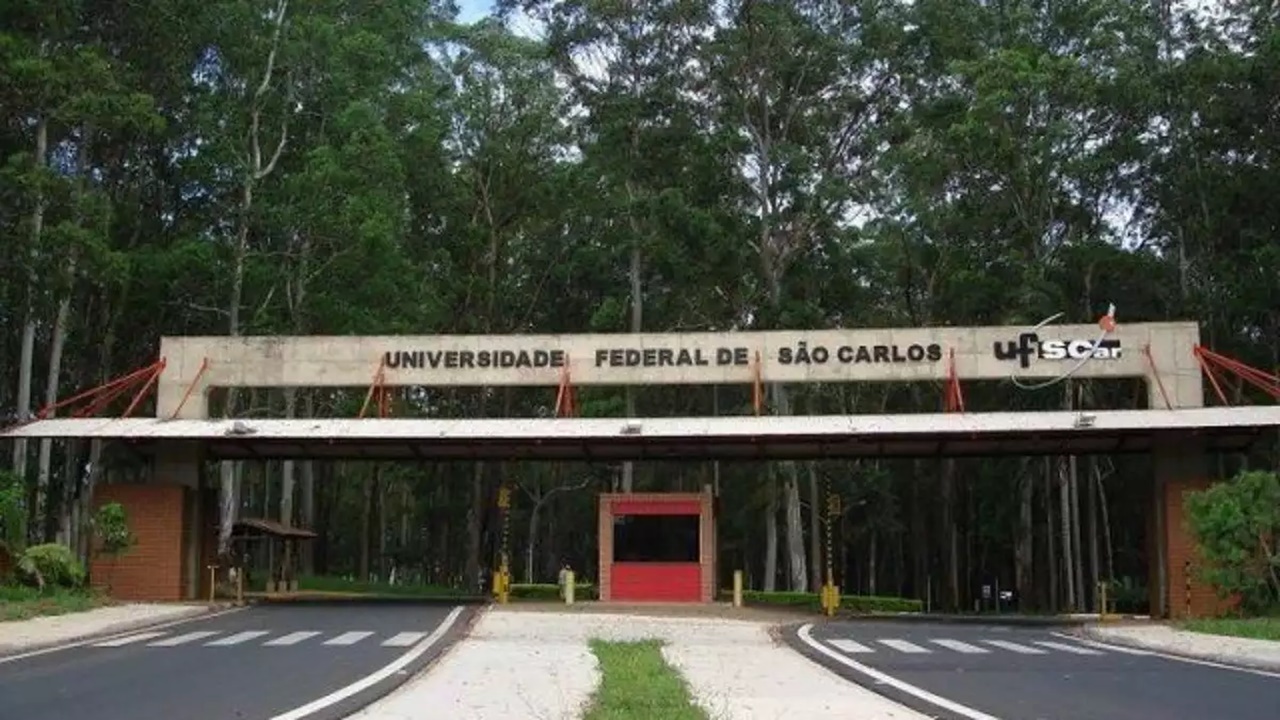

The University Solar Plants Will Generate Up to 50 kWp (Kilowatt Peak) and Add to Seven Other Solar Plants Built in the Last Four Years at the University
With the aim of reducing electricity consumption at the University and contributing to strengthening sustainability actions, the Federal University of São Carlos (UFSCar), in São Paulo, is set to install five new solar plants at the Lagoa do Sino campus in the interior of São Paulo by July. Porto do Açu, one of the projects envisioned by businessman Eike Batista, targets agribusiness to diversify its operations in the future
See Also
- Coca-Cola, the world’s largest non-alcoholic beverage producer, is calling for 1,800 job vacancies in SP, MG, RS, PR, and more
- Mato Grosso do Sul has job vacancies for Instrumentation Technician and Tubist
- AES Union is URGENTLY recruiting on this day (04/01) for offshore vacancies requiring elementary and high school education for the positions of helper, leader, and more
The new energy sources at the university will generate up to 50 kWp (kilowatt peak) and add to seven other solar plants built in the last four years at the university.
According to the University Rector, Wanda Hoffmann, “Building a more sustainable society depends on our actions today. That is why we are in dialogue with the MEC to secure new resources for energy efficiency. Almost 1 million reais are aimed at environmental preservation and greater efficiency in the use of public resources.”
-
Brazilian scientists are simultaneously advancing two research projects on clean hydrogen and driving solutions that could transform the energy matrix, enhance industrial competitiveness, and accelerate large-scale emission reduction targets.

-
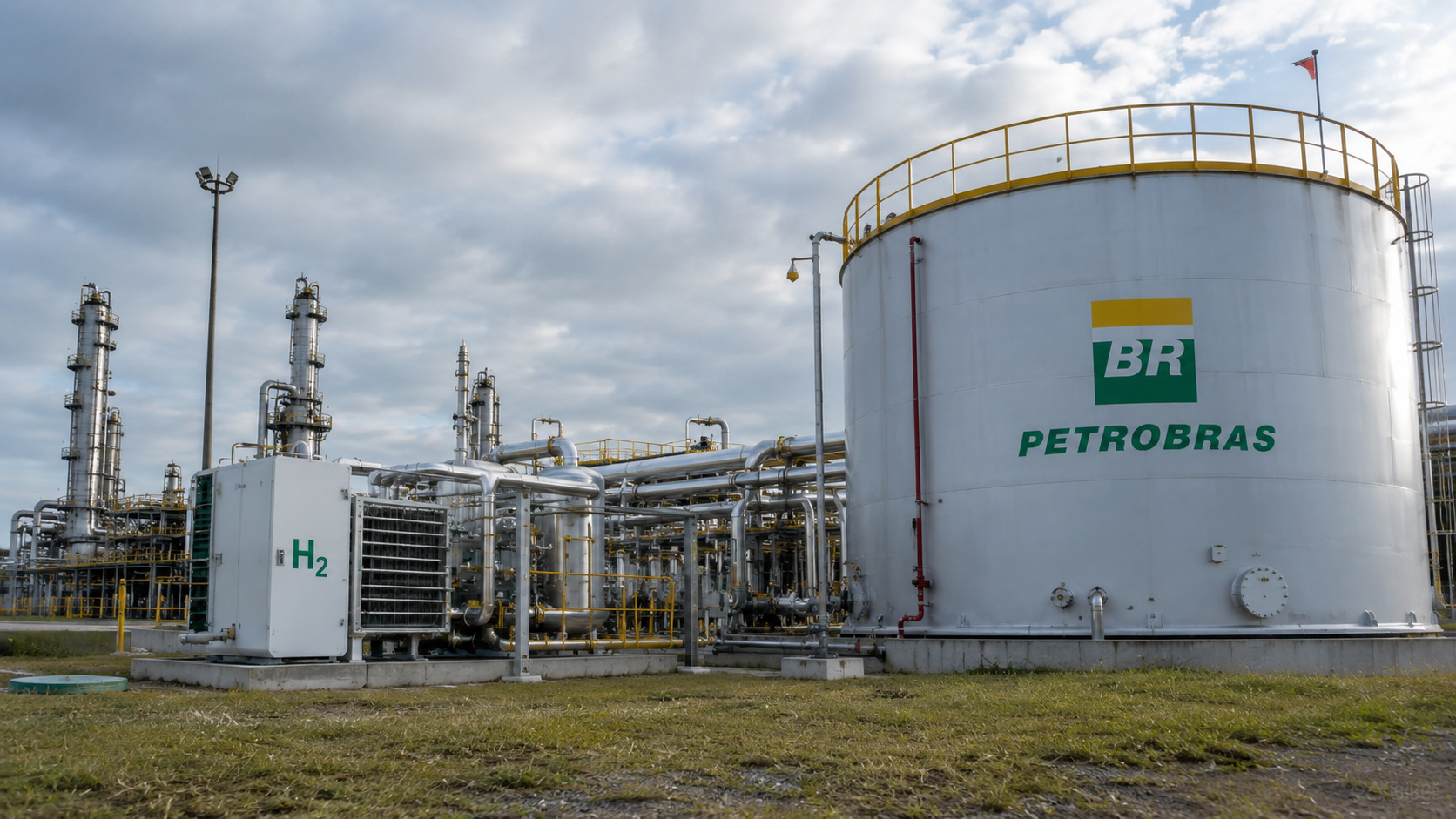
Advancement in renewable energy: A R$ 150 million project launched by Petrobras and Finep aims to create state-of-the-art electrolyzers for green hydrogen, strengthening national research and preparing Brazil to compete in a billion-dollar energy market.
-
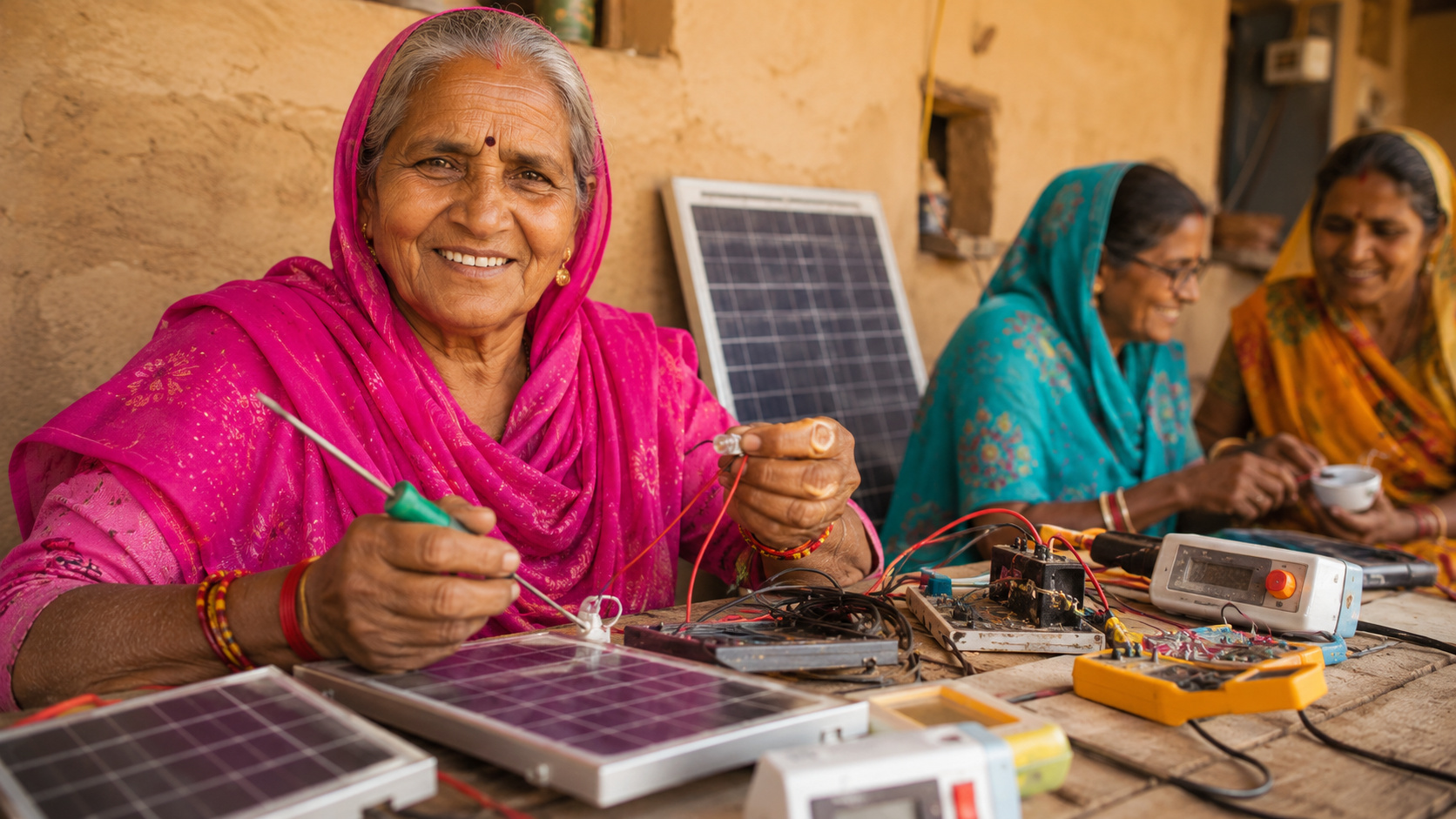
Illiterate or semi-literate grandmothers were trained to repair solar systems, open rural workshops, and light up homes that still depended on kerosene.
-
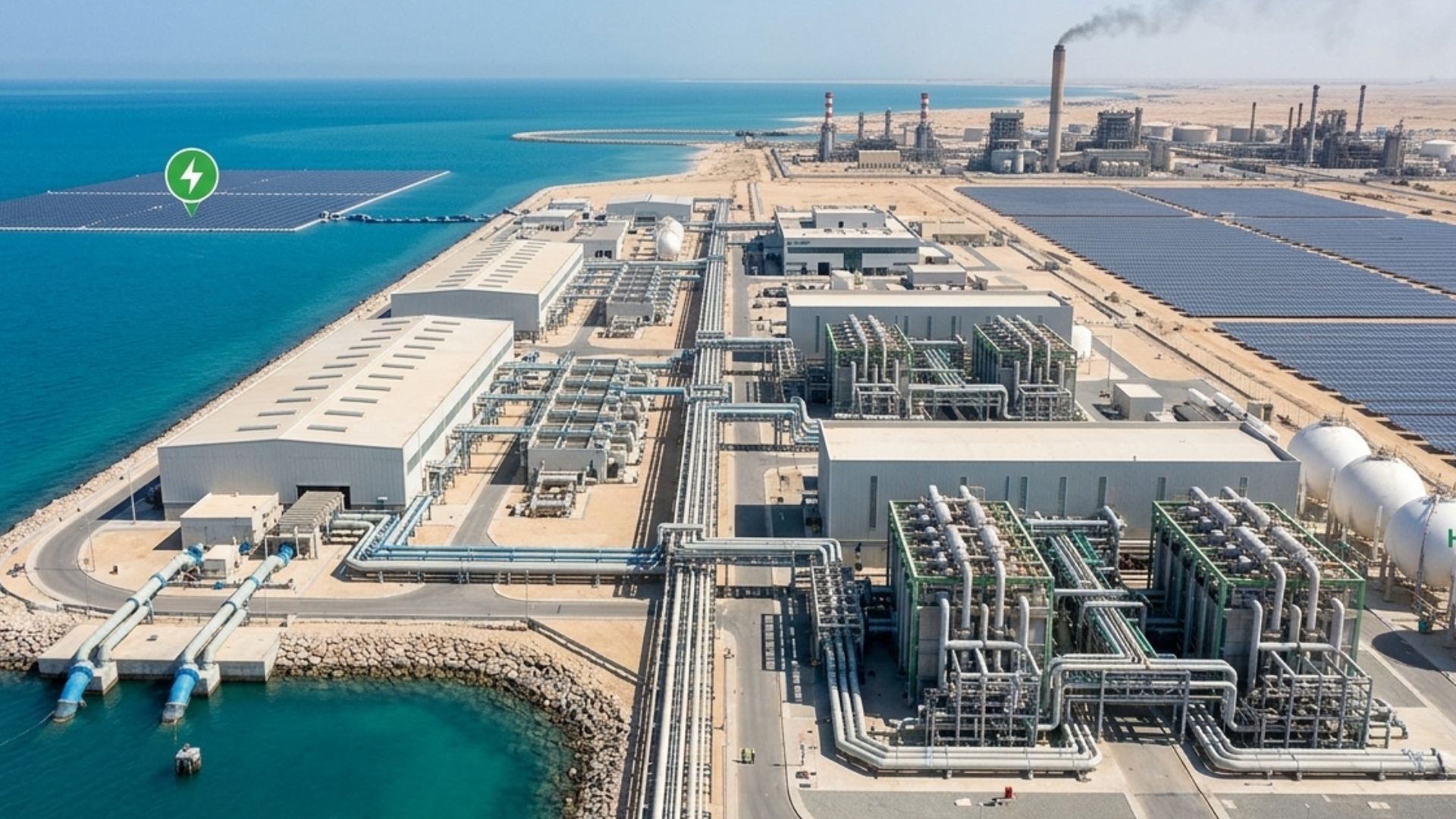
The world has bet on green hydrogen as the fuel of the future, but now faces the side effect: producing 1 kilogram requires about 9 liters of ultrapure water, and the largest projects on the planet are precisely in the driest regions of the Earth, where water is already scarce for people.

Installation
The University Administrations of the São Carlos and Lagoa do Sino campuses were responsible for hiring specialized labor for the installation of the solar plants. Installation work is set to begin this month. The estimated completion time for installation is July of this year.
“The reduction in electricity consumption has been impacting UFSCar. This year, we moved up 150 positions in the GreenMetrics Ranking, which evaluates universities’ efforts for environmental preservation. Our goal, as an institution, is to transform society for the better through our daily work,” concludes UFSCar’s Pro-Rector of Administration, Márcio Merino Fernandes.
Solar Plants at the Federal University of São Carlos – UFSCar – From 2017 to 2020
UFSCar built 7 Photovoltaic Solar Plants and replaced nearly 50,000 conventional light bulbs with LED technologies. In total, the investment amounted to R$ 8 million.
All funds were obtained through participation in tenders from the National Electric Energy Agency (ANEEL) and through investments from the Ministry of Education (MEC).