





 Portuguese
  English
  Spanish
  3 min of reading


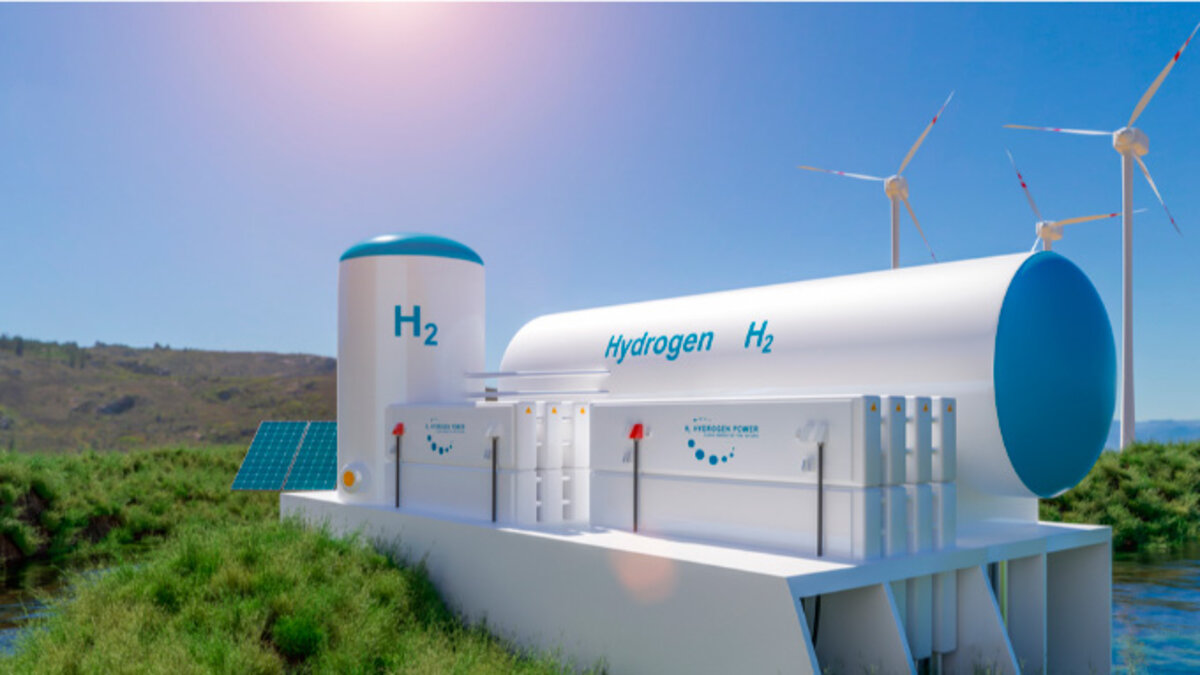
Green Hydrogen and Offshore Wind Farms Are Reasons for Attention in the Renewable Energy Sector. The Constant Search for Carbon Emission Reduction Has Led Renewable Companies to Bet on Energy Sources That Are on the Technological Frontier.
On Tuesday, (07/13), it was announced that more and more companies are seeking to invest in energies that are on the technological frontier, such as offshore wind farms and green hydrogen. The new renewable energies are attracting major companies in the sector that are struggling with the relentless pursuit of carbon emission reduction.
Brazil Plans for Green Hydrogen to Be Truly Renewable
According to Rui Altieri, president of the Electric Energy Trading Chamber (CCEE), the agency plans to launch a certification in 2022 that aims to ensure that green hydrogen is truly green, meaning truly sustainable. Currently, hydrogen is already being used, but it is still produced from fossil fuels, generating CO2 emissions. “Green hydrogen is the focus of the energy transition,” Rui stated.
Thus, the expectation is that the green version will be obtained from renewable energy sources such as wind, solar, and hydroelectric. Currently, the most analyzed process for large-scale production is through electrolysis, which consists of passing an electric current through water to separate oxygen from hydrogen. However, the high electrical demand required for electrolysis is one of the hurdles in the path to green hydrogen production.
-
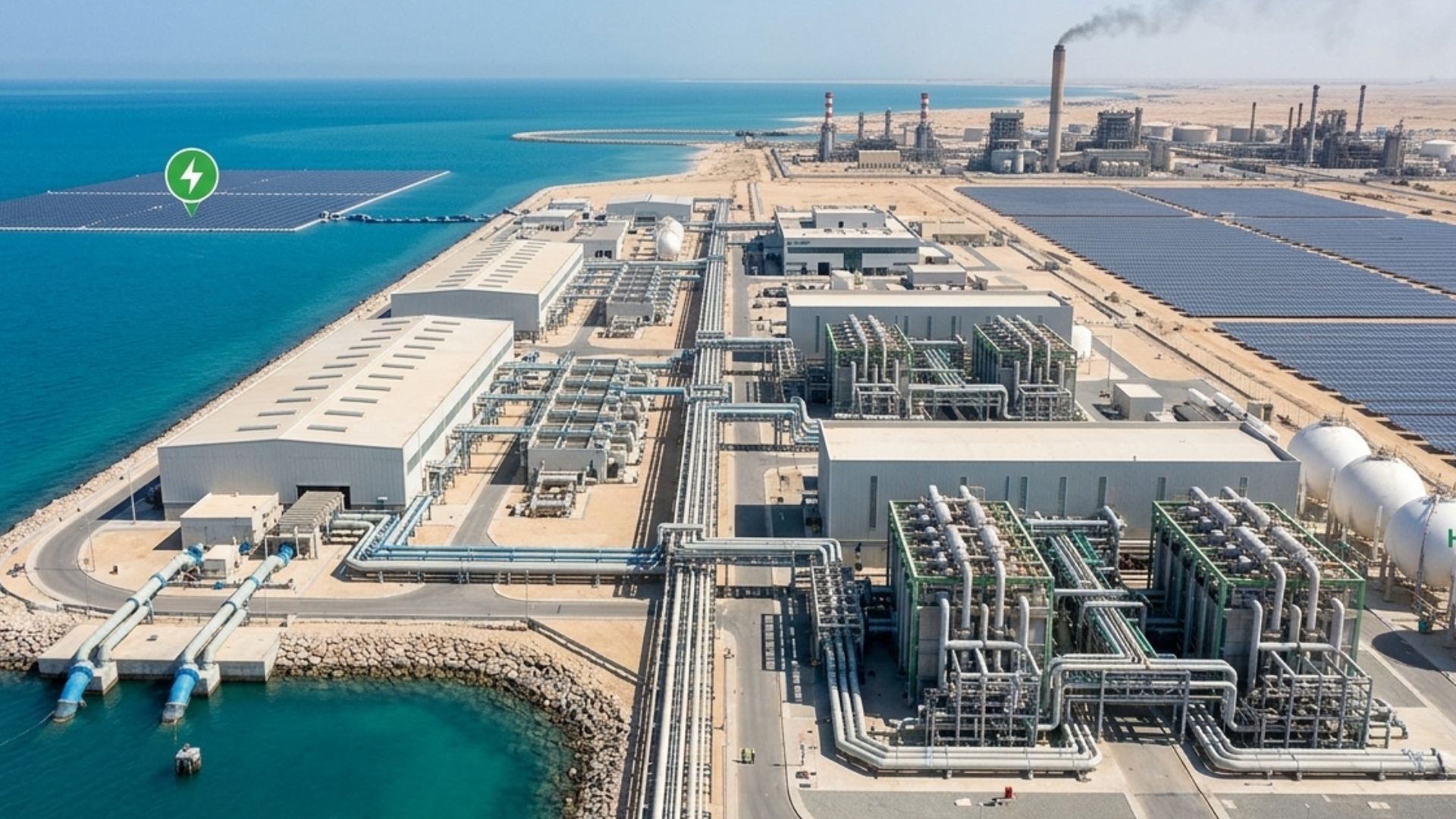
The world has bet on green hydrogen as the fuel of the future, but now faces the side effect: producing 1 kilogram requires about 9 liters of ultrapure water, and the largest projects on the planet are precisely in the driest regions of the Earth, where water is already scarce for people.

-
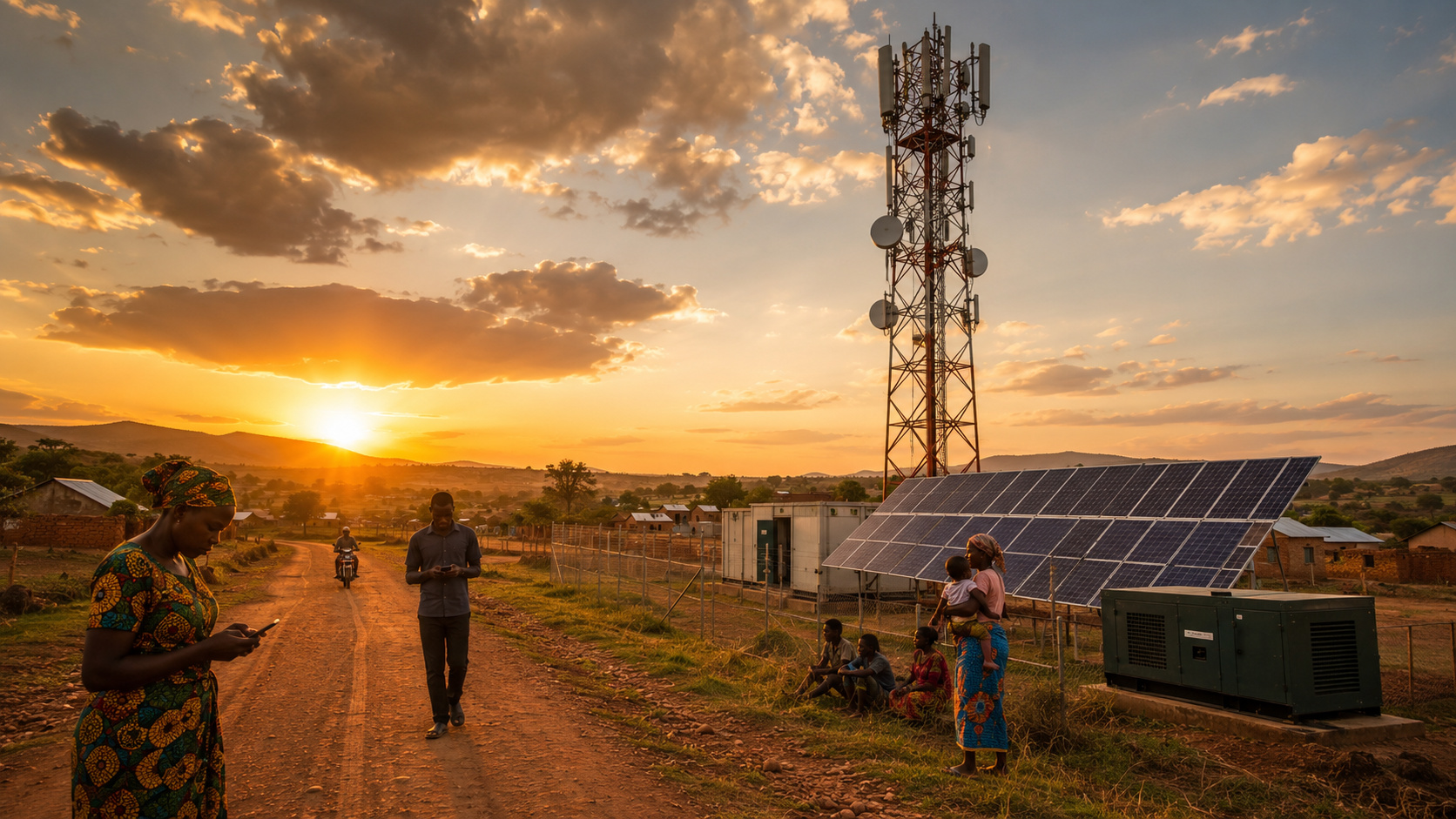
Africa has about 500,000 cell towers and most still burn diesel to operate, while companies rush to cover antennas with solar energy and avoid signal blackouts.

-
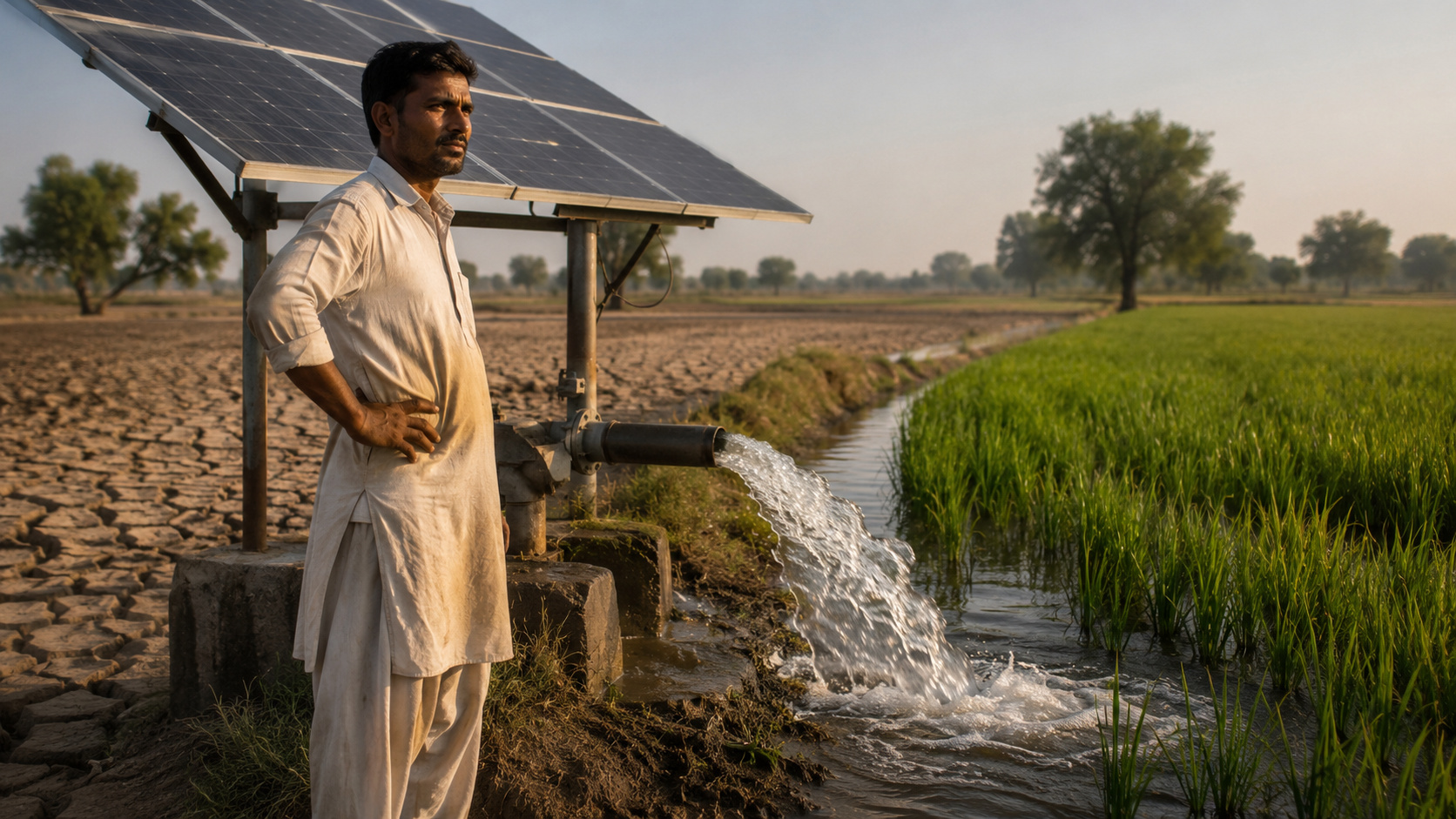
Farmers swapped diesel for solar panels in Pakistan, powered irrigation pumps almost cost-free, expanded rice fields, and now groundwater has become a red alert in the countryside.
-
Migrant workers left the world’s largest renewable energy park in India after extreme heat, 12-hour shifts, delayed wages, and poor accommodations at a site that still promises to supply 18 million homes.

It is important to know that, in addition to technical characteristics, green hydrogen is also facing challenges such as lack of scale and costs. However, amidst a global energy crisis, which has been exacerbated by the current scenario of the Russia-Ukraine war, the search for green hydrogen is gaining strength as it also fits into the theme of decarbonization against climate change. For Paulo Alvarenga, CEO of Thyssenkrupp, it is necessary for nations to achieve net-zero carbon emissions by 2050.
Electrolysis Process in Brazil
In Brazil, the Engie Transmission Consortium has a memorandum of understanding signed with the government of Ceará for a project at an electrolysis plant in the Pecém port terminal area, with a capacity between 100 MW and 150 MW, which will assist in the production process of green hydrogen. It is necessary to know that the size of the electrical load indicates the amount of energy that will be applied to break the water molecule and release hydrogen.
In this sense, the CEO of Engie in Brazil, Maurício Stolle Bähr, states that the group aims to develop 4 GW of installed green hydrogen capacity by 2030, and that Brazil should contribute with at least 1 GW.
Additionally, Shell also sees the potential of green hydrogen within its strategy for transitioning to a low-carbon economy. Therefore, the company has entered into an agreement with the Port of Açu (RJ) for the construction of a plant similar to Engie’s. The unit is expected to be completed by 2025 and will have a capacity of 10 MW.
“The development of these projects is an opportunity to meet the growing energy demand in the country, diversify the energy matrix, and meet our global carbon emission reduction goals,” Bähr stated, reminding that the company intends to become carbon neutral by 2045. The expectation is that projects in Brazil will begin operation before 2030, with estimated investments ranging from R$ 13 billion to R$ 16 billion.





Be the first to react!