






 Portuguese
  Spanish
  2 min of reading


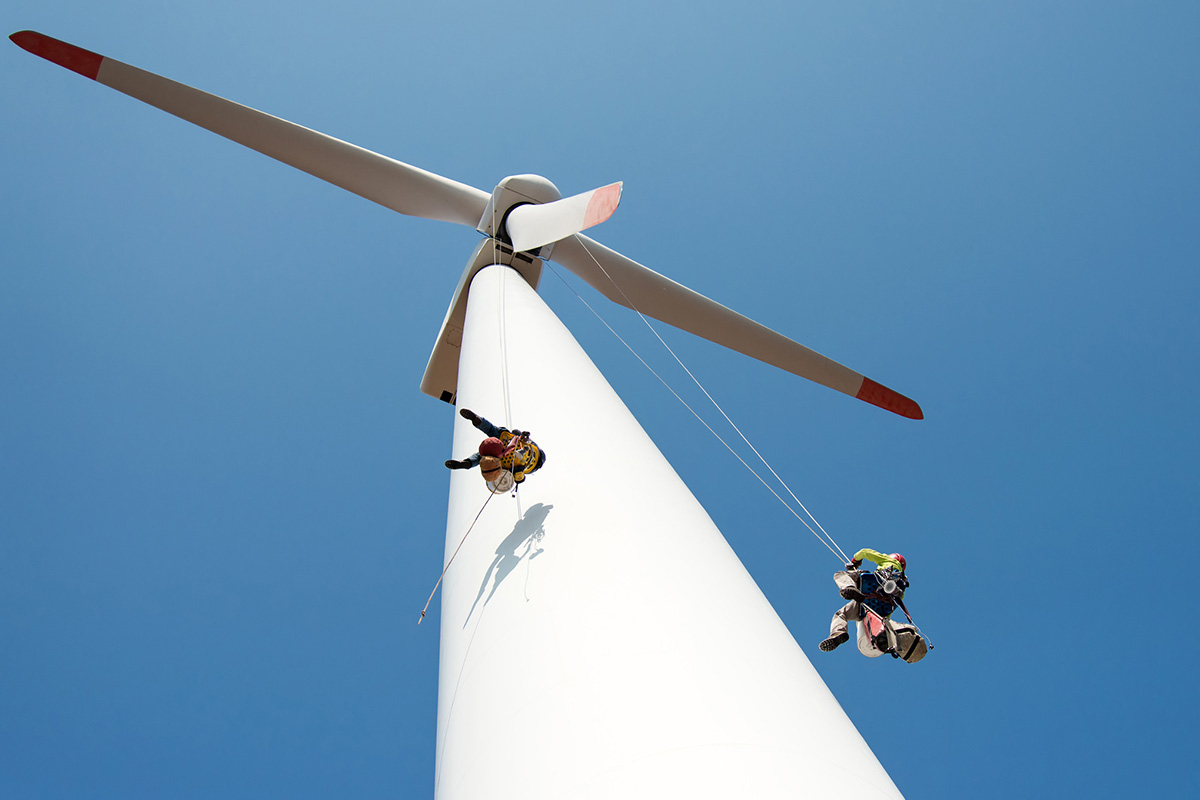
Despite Brazil’s Economic Difficulties Over the Last Decade, the Country’s Wind Industry Has Experienced Significant Growth in Recent Years.
Starting with its inaugural auction in 2009, the sector broke installation records in 2021 and 2022, with the latter year having over 4 GW installed. With this, Brazil secured third place in new installations, behind only China and the United States. These findings come from the GLOBAL WIND REPORT 2023, from the Global Wind Energy Council, a comprehensive and analytical report on the global wind sector released on Monday (27).
Report on Wind Energy Shows the Country’s Performance
The report also reveals that Brazil continues to rise in the Onshore Wind Power Installed Capacity Ranking, currently occupying the sixth position after starting in 15th place in 2012. The report further highlights that the renewable resources available in Brazil, especially the abundance of high-quality onshore and offshore wind energy, are certainly unique in the world, opening a window of opportunity for green hydrogen.
The GWEC Market Intelligence expects Latin America to add 26.5 GW of onshore wind capacity in 2023-2027, with Brazil contributing 60% (16 GW), further consolidating its leadership in the region.
-
Brazilian scientists are simultaneously advancing two research projects on clean hydrogen and driving solutions that could transform the energy matrix, enhance industrial competitiveness, and accelerate large-scale emission reduction targets.

-
Advancement in renewable energy: A R$ 150 million project launched by Petrobras and Finep aims to create state-of-the-art electrolyzers for green hydrogen, strengthening national research and preparing Brazil to compete in a billion-dollar energy market.
-
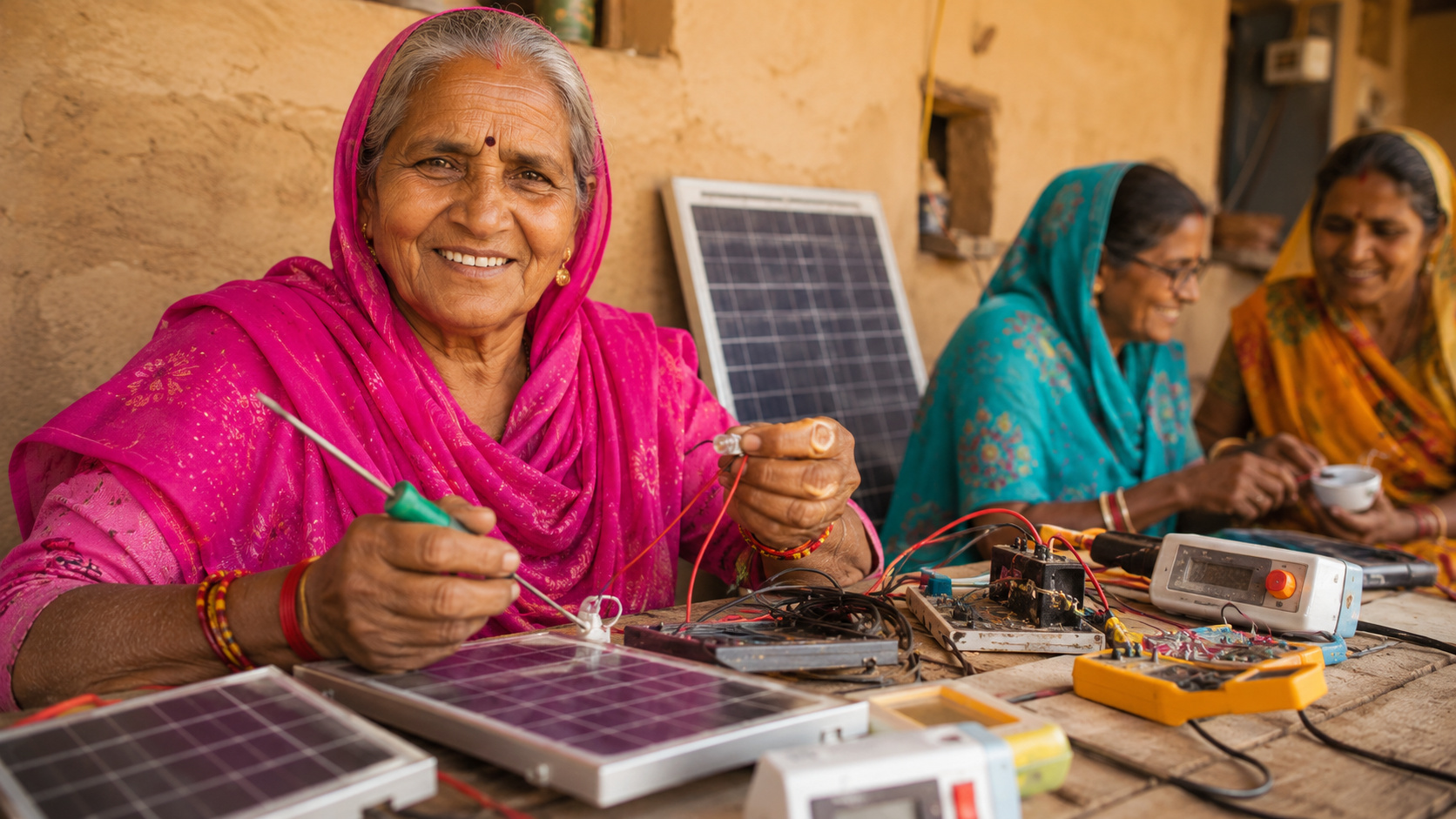
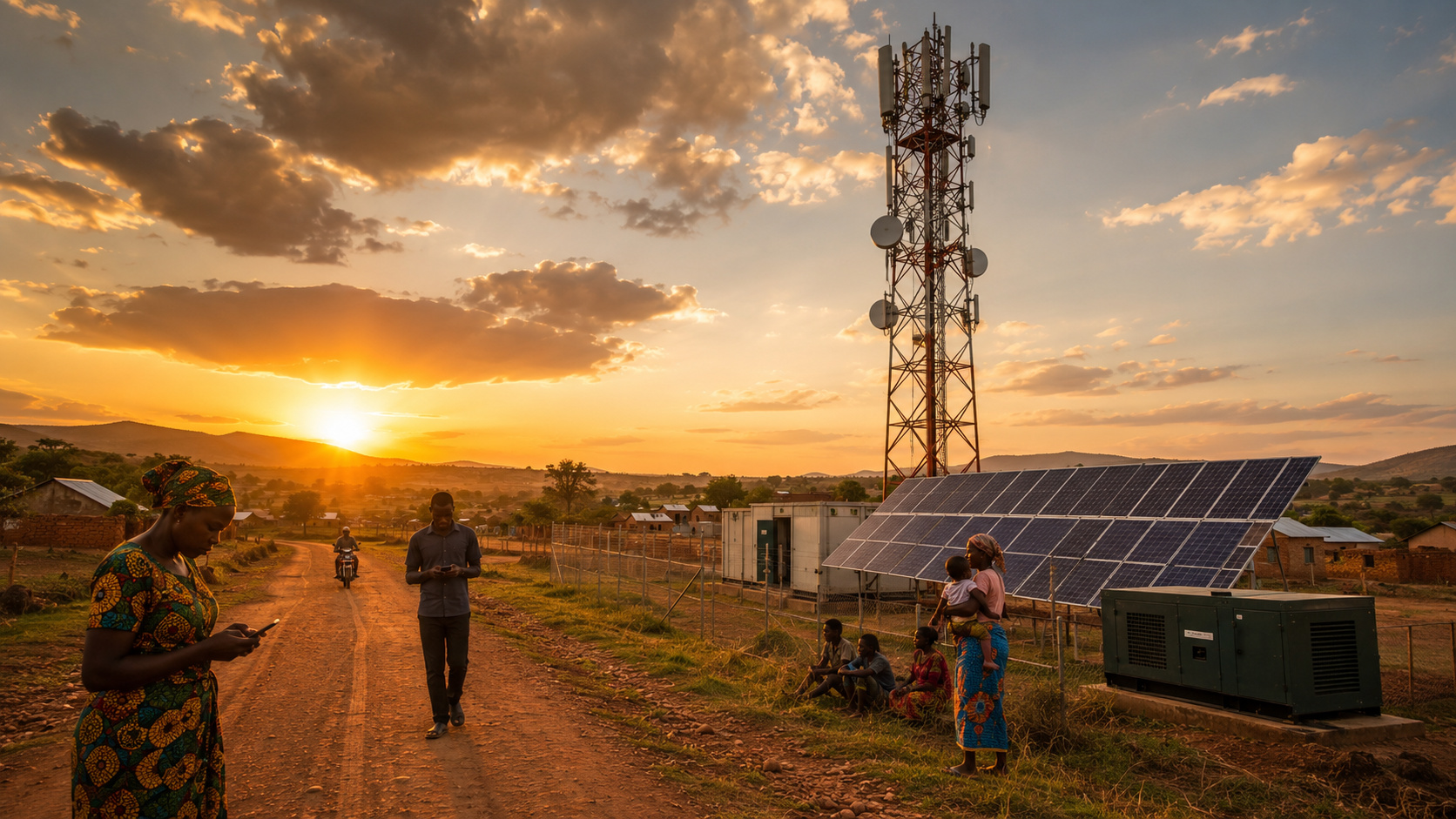
Illiterate or semi-literate grandmothers were trained to repair solar systems, open rural workshops, and light up homes that still depended on kerosene.
-
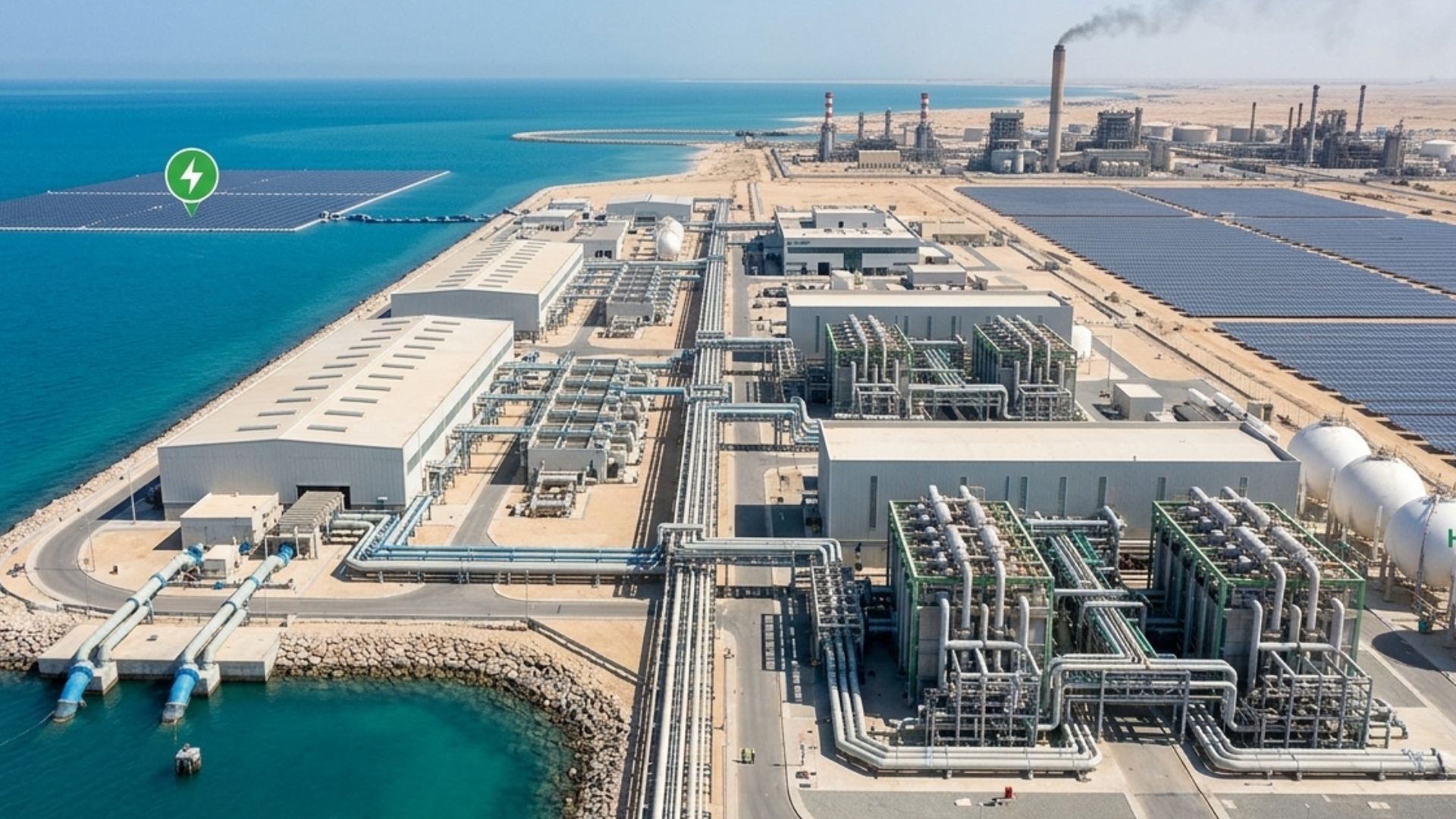
The world has bet on green hydrogen as the fuel of the future, but now faces the side effect: producing 1 kilogram requires about 9 liters of ultrapure water, and the largest projects on the planet are precisely in the driest regions of the Earth, where water is already scarce for people.


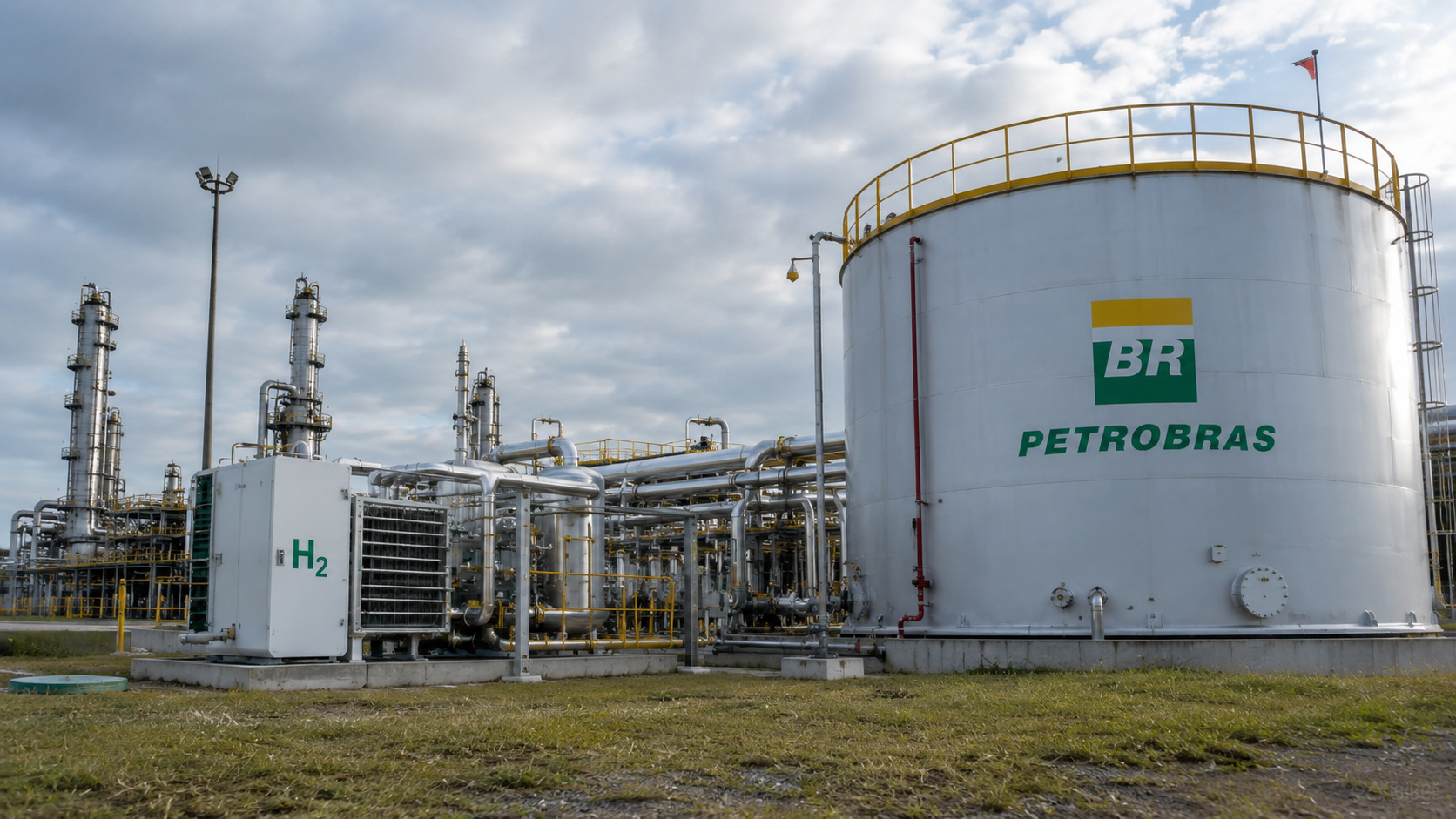
Petrobras Evaluates New Offshore Wind Projects on the Brazilian Coast
Petrobras will study the feasibility of seven offshore wind projects along the coast of Brazil. The potential wind farms span the states of Rio de Janeiro, Espírito Santo, Piauí, Ceará, Rio Grande do Norte, and Rio Grande do Sul. They are expected to generate up to 14.5 GW (gigawatts) of energy. The analysis will be conducted in cooperation with Equinor, a private company that has been operating in the country since 2001, and will consider technical, economic, and environmental possibilities. Petrobras and Equinor formed a partnership in 2018 to implement two wind farms on the border of the states of Rio de Janeiro and Espírito Santo: Aracatu I and II. This contract is valid until 2028.
Petrobras plans to eliminate greenhouse gas emissions from activities under its control by 2050. Offshore wind energy is one of the priorities of the 2023-2027 Strategic Plan to achieve the goal of diversifying the country’s energy matrix. The technology uses offshore wind to generate renewable energy. According to the company, the main advantage is the high and stable wind speed in open sea, which is not disturbed by natural geographical barriers or urban constructions.
Another ongoing technological development project by Petrobras is the testing of remote evaluation buoys for offshore wind, named Bravo, in collaboration with the National Service for Industrial Learning (Senai) in the states of Rio Grande do Norte and Santa Catarina.






Be the first to react!