






 Portuguese
  Spanish




Study Reveals That Prolonged Use of Omeprazole and Similar Drugs May Significantly Affect Cognitive Health
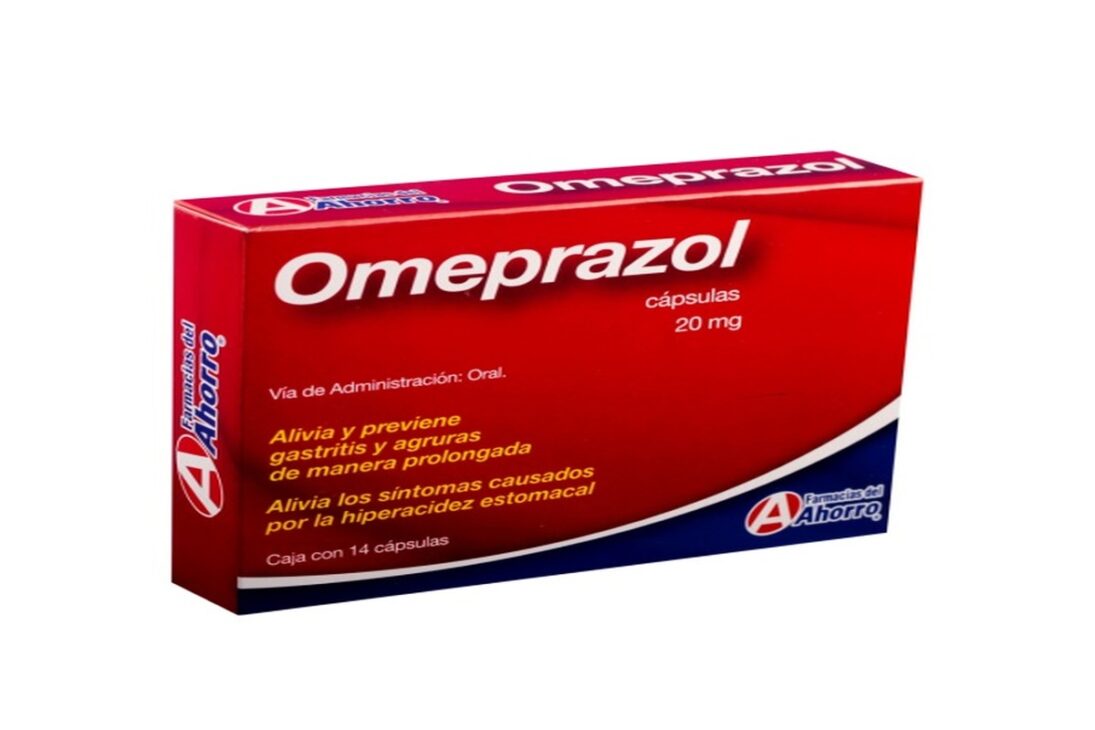
Popular medications in Brazil, such as omeprazole, pantoprazole, and esomeprazole, belonging to the class of proton pump inhibitors (PPIs), are now under rigorous scrutiny by the medical community. According to a study published in August 2023 in the journal Neurology, these drugs, when used continuously for more than four years, may increase the risk of dementia by up to 33%. The study was conducted by researchers from the University of Minnesota in the United States and followed 5,712 adults with an average age of 75 for about 4.4 years.
Daily Medications Require Constant Medical Attention
Although effective against reflux, gastritis, and ulcers, PPIs may cause side effects when used for extended periods, according to recent studies. In Brazil, omeprazole is widely sold and recommended, but new warnings highlight the risks of prolonged use without adequate medical supervision. For Kamakshi Lakshminarayan, a physician and co-author of the research, the correlation observed, although with no proven causality, already requires attention from doctors and patients.
History of Studies Reinforces Warnings About Prolonged Use
This is not the first time that PPIs have been linked to potential health complications. Previous research has already associated these medications with kidney problems, vitamin B12 deficiencies, and even bone fractures in the elderly. However, this new study is one of the first to present a significant link between continuous use and the loss of cognitive functions. The data showed that among participants who did not use PPIs, the incidence of dementia was lower compared to those who used them regularly for more than four years.
-
Natural Phenomenon Turns Black Sea Turquoise Blue Due to Billions of Microscopic Organisms

-
Scientists Develop Innovative Material That Converts Visible Light to Ultraviolet, Unlocking New Possibilities for Optical Equipment and Advanced Communications

-
2011 Japan Earthquake Sent Seismic Waves to Earth’s Core, Returning in 15 Minutes and Shifting Entire Country Simultaneously, Scientists Reveal

-
NASA captures heart-shaped pink lagoon in Argentina’s salt flats


Self-Medication Increases Risks and Requires Professional Guidance
In addition to being easily accessible in Brazilian pharmacies, many patients resort to PPIs without medical recommendation. This behavior, coupled with the lack of periodic monitoring, significantly contributes to the risks described in the study. Physicians emphasize the importance of using these medications only when prescribed and with constant reevaluations. When necessary, therapeutic alternatives should be considered, especially for elderly individuals, who are naturally more prone to neurological conditions.
Health Professionals Should Reassess Clinical Practices
Based on the latest scientific evidence, experts have encouraged the medical sector to review protocols and avoid unrestricted use of PPIs in prolonged treatments. In addition, healthcare institutions are already discussing new approaches for gastroesophageal reflux, prioritizing less invasive methods with a lower neurological impact. This debate intensifies with an aging population, necessitating preventive policies focused on protecting cognitive functions.


