The rest study is by DLR, the German space agency, and simulates microgravity to understand what space does to the body. Spending 60 days in an inclined bed, lying down all the time, earns 18 thousand euros for the 12 test astronauts who help prepare the trip to Mars.
Staying in bed for two whole months seems like a dream for those who are always tired, but at the German Aerospace Center, it has become serious and well-paid scientific work. Starting April 27, 2026, 12 volunteers will lie down and simply not get up for 60 days, doing everything horizontally, from meals to bathing, without ever standing up. Those who endure the entire regime receive about 18 thousand euros. The experiment is conducted by the DLR, the German Aerospace Center, at the :envihab facility in Cologne.
The technical name is SMC3, and it is part of a research package preparing for upcoming missions to the Moon and Mars. The central idea of the rest study is cruelly simple: lay a healthy person down long enough for their body to begin deteriorating like someone who spends months in space. Real astronauts face exactly this wear and tear, and science needs to understand how to slow it down before sending people to another planet.
Why staying in bed became cutting-edge science
The insight of the rest study lies in the bed’s position. The 12 participants lie with their bodies inclined at six degrees, with the head lower than the feet, and this inclination causes body fluids to move upwards to the upper body and head. This is exactly what happens in orbit, where there is no gravity to pull the blood down. Therefore, the position works as a copy of microgravity without leaving Earth.
-
Extreme Heat of 41.3°C Warps Roads in Germany, Causes Autobahn Asphalt to Crack, Injures People, and Forces Snowplows to Cool Down Highways

-
AI Security System in Brazil Aims to Cut False Alarms by Differentiating Pets from Intruders, Enhancing 24/7 Monitoring for Homes and Businesses

-
Archaeologists Discover 1,500-Year-Old Byzantine Mosaic with Greek Biblical Inscription in Israel, Uncover Ruins of 10 Buildings Near Kiryat Gat
-
Ohio Carpenter Finds 308-Gram Meteorite the Size of a Baseball After Dreaming of Its Location





Staying still for 60 days in bed takes a heavy toll on the body. Without the daily effort of supporting one’s own weight, muscles shrink, bones lose density, the heart works differently, and balance becomes disorganized. This set of losses is almost identical to what microgravity causes in astronauts on long missions, and that’s exactly why the inclined bed is such a valuable laboratory for the DLR.
60 days in bed without getting up, not even for the bathroom
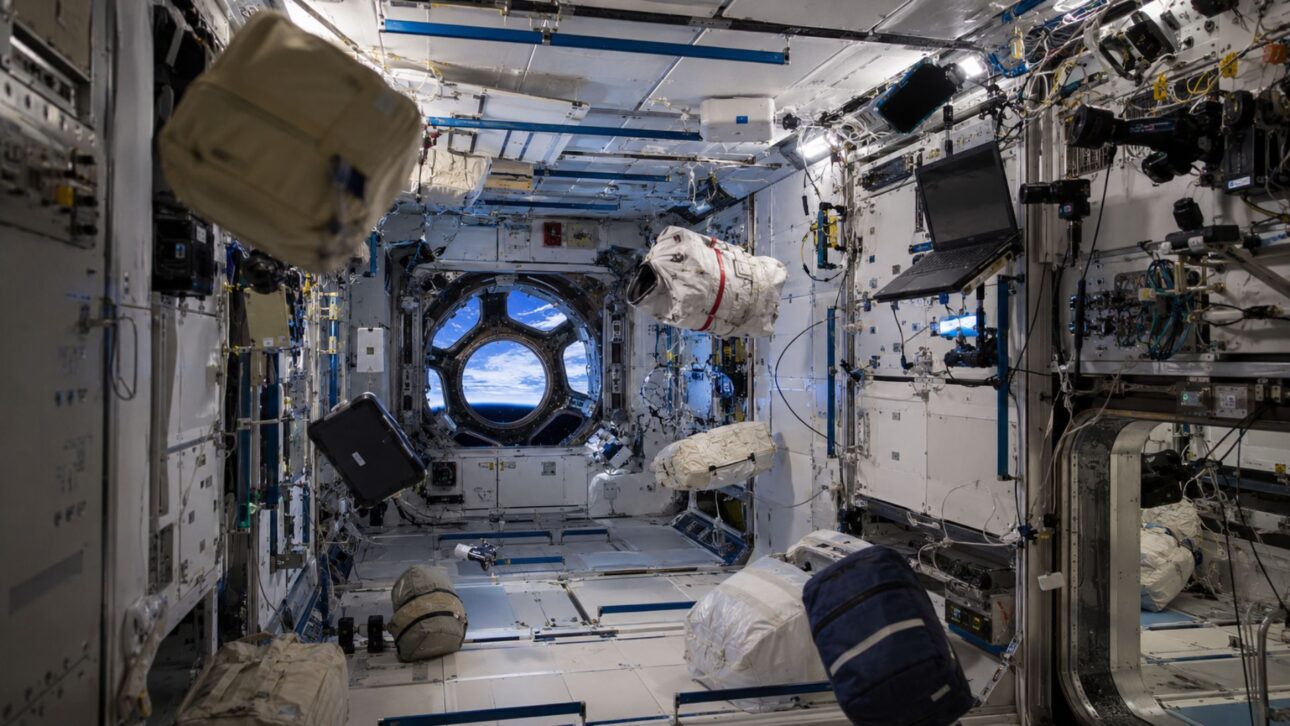
During the 60 days in bed, volunteers cannot get up for anything, and this includes eating, bathing, hygiene, and using the bathroom, all while lying down, with at least one shoulder always in contact with the mattress. There is no break to stretch your legs or a minute standing, because any body support against gravity would ruin the effect of the simulated microgravity that the bed rest study aims to measure.
The entire campaign is even longer than the two months lying down. Adding the preparation days before and the recovery phase after, the period in :envihab exceeds 80 days, according to the material gathered by Orbital Today. Participants are monitored all the time, with routine, diet, and sleep controlled by the DLR team, who take advantage of each hour lying down to collect data.
Why does someone earn 18,000 euros to stay in bed?
The money is not for laziness, it’s for wear and tear. The 18,000 euros pay for what the body loses and the discipline to endure two months without moving, plus the extra weeks of testing. For DLR, it’s a cheap price compared to what it would cost to discover these effects by sending people into space, where every mistake is expensive and dangerous.
More than measuring the damage, the goal of SMC3 is to test ways to prevent it. The acronym points to sensory-motor countermeasures, that is, techniques to prevent the volunteer from losing strength, coordination, and balance even while stationary. Part of the group follows compact training and specific exercises during the bed rest study, while another part serves as a comparison, and it is the contrast between them that shows what actually protects the body in microgravity.
What does this have to do with Mars and the Moon

If nothing is done, the astronauts would arrive at their destination too weak to work, with withered muscles and fragile bones, precisely when they would need strength the most to land and explore. Understanding this process down here is what makes the mission viable up there.
The results of the bed rest study feed into the design of countermeasures that will equip the ships and bases on the Moon and Mars. Each piece of data on how the body reacts to 60 days in bed helps calibrate the exercise equipment, diet, and routine that will keep the astronauts healthy on increasingly longer journeys. The DLR works in partnership with agencies like the European and American ones, making this research a part of the international effort towards deep space.
Is it harmful to stay in bed for 60 days? Is it safe?
It is intentionally harmful, and that’s the point, but within a controlled environment. The body does indeed deteriorate during the 60 days in bed, but each sign is monitored by doctors and scientists from the DLR, who measure muscle, bone, heart, and brain from start to finish. Nothing is left to chance, and the recovery phase exists precisely to safely return the volunteer to normal life.
Recovery is not instant, and participants need a few weeks to walk and train firmly again, gradually undoing what the simulated microgravity has done. That’s why the selection is rigorous, and only healthy people willing to face the boredom and discomfort of becoming, in practice, a laboratory astronaut for almost three months are accepted.
A bed that could decide the future of space missions
In the end, what seems like the laziest job in the world is one of the most demanding tests in space preparation. These 12 volunteers will trade two months on their feet for 18,000 euros and a discreet place in the history of the race to Mars, lending their own bodies so that future astronauts do not fall ill on the way. The DLR‘s bed rest study shows how the conquest of other planets begins with small, unglamorous things, like a bed tilted at six degrees.
And you, would you agree to spend 60 days in bed without getting up even for the bathroom in exchange for 18,000 euros and the chance to help humanity reach Mars? Tell us in the comments if you would take it on or not for all the money in the world.