






 Portuguese
  Spanish


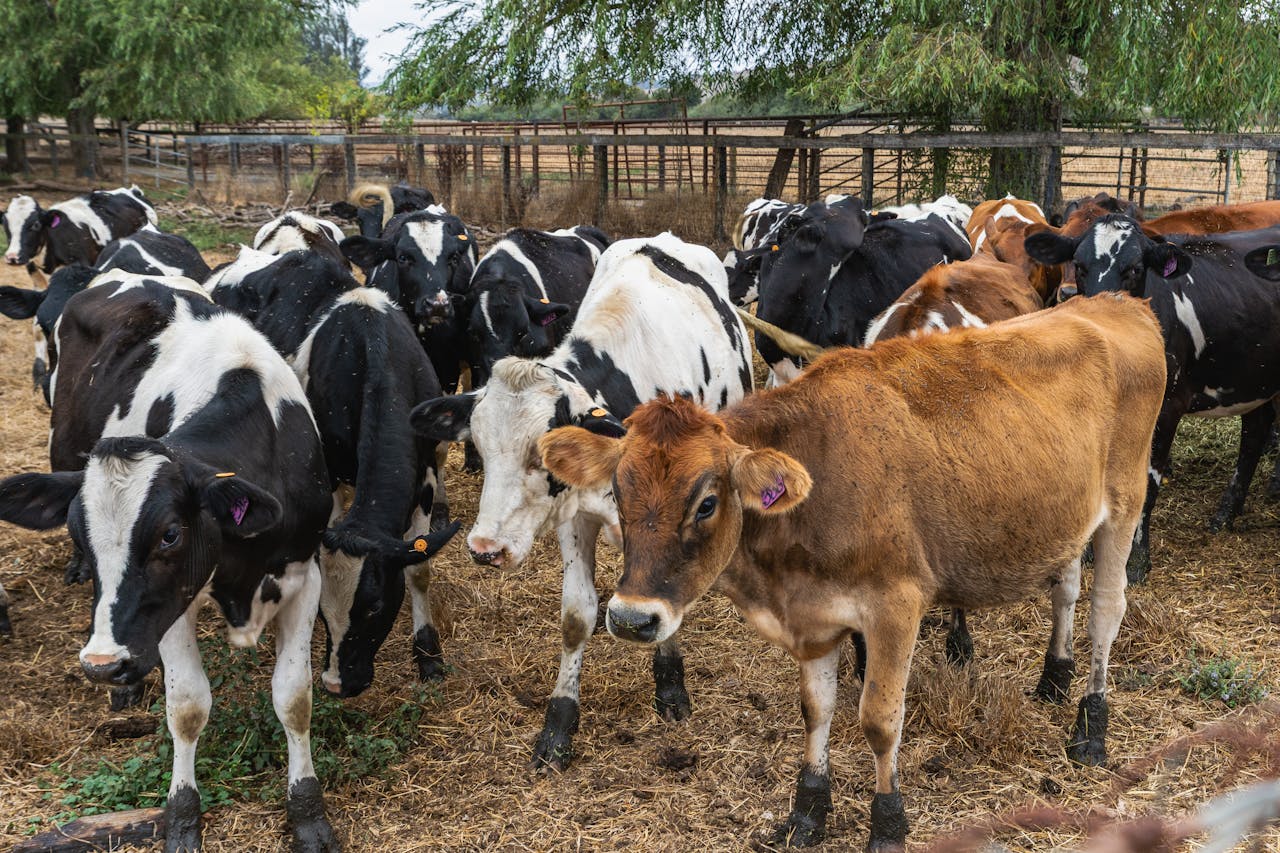

The Vaccination Against Brucellosis in Minas Protects Animal Health and Has Already Immunized Over 1.3 Million Heifers. The Second Phase Goes Until December. Producers Must Declare to IMA. See How Vaccination Works, Deadlines, Rules, and Recommended Vaccines
The vaccination against brucellosis in Minas has mobilized rural producers and institutions responsible for animal health throughout the state.
This collective effort has already brought attention-grabbing results and shows how unity can transform the reality of cattle farming in Minas Gerais.
In the first phase of the campaign, over 1.3 million heifers received immunization, surpassing the initial target set by the authorities, according to a news article published.
-
Small Farm in Brazil’s Minas Gerais Produces 403 Liters of Milk Daily, Sets Benchmark for Rural Producers

-
Man Revives 1930s Abandoned Trout Farm, Learns from Scratch, and Earns $1.1 Million Annually Selling Fish to Michelin-Starred Restaurants

-
Bangladeshi Farmers Use Bamboo Levers to Pump Thousands of Liters of Water Daily Without Engines or Electricity
-
Brazilian Forests Could Expand by an Area Twice the Size of Switzerland by 2035, but Agricultural Sector Holds the Key, Study Finds




Now, the challenge continues with the second phase, which is already underway and requires organization on the part of livestock producers.
In addition to being a legal requirement, vaccination is an investment that brings direct benefits to those who depend on the countryside and the beef cattle herd. Brucellosis is a disease that affects both animals and humans and causes significant production losses.
Therefore, the protection of heifers means more security for the entire production chain and also for the final consumer.
With defined deadlines and clear rules, producers need to plan to not miss out on the benefits of the campaign. Those involved in livestock farming know that every action taken in a timely manner prevents losses and ensures greater stability in the future.
The Minas Institute of Agriculture (IMA) oversees the entire process and emphasizes the importance of maintaining the commitment to vaccination, which also represents a commitment to public health.
The Impact of the First Phase of Vaccination
The vaccination against brucellosis in Minas showed significant progress in the first half of 2025. More than 1.3 million heifers were immunized, which corresponded to 52.8% of the animals aged 3 to 8 months.
This rate exceeded the minimum target of 40% established by the IMA, demonstrating the engagement of a large part of livestock producers.
This result did not happen by chance. It was the result of a constant effort of awareness and monitoring carried out by the IMA, following the guidelines of the National Program for the Control and Eradication of Brucellosis and Animal Tuberculosis (PNCEBT).
The program aims to maintain a health standard that serves as a reference for all of Brazil, and Minas Gerais has shown alignment with this goal.
The fulfillment of this phase strengthens the confidence that the state can achieve the national target set by the Ministry of Agriculture and Livestock (Mapa).
The goal is to reach, by the end of the two annual phases, a minimum coverage of 80% of vaccinated heifers. For this to happen, the effort of the second phase will be decisive.
Second Phase of Vaccination Against Brucellosis in Minas: Deadlines and Responsibilities
Now, the vaccination against brucellosis in Minas has entered a new phase. Producers with heifers aged 3 to 8 months in the second semester must complete immunization by December 31, 2025.
After this date, the deadline to declare the procedure to the IMA goes until January 10, 2026. This declaration must be made by presenting a certificate issued by a registered veterinarian.
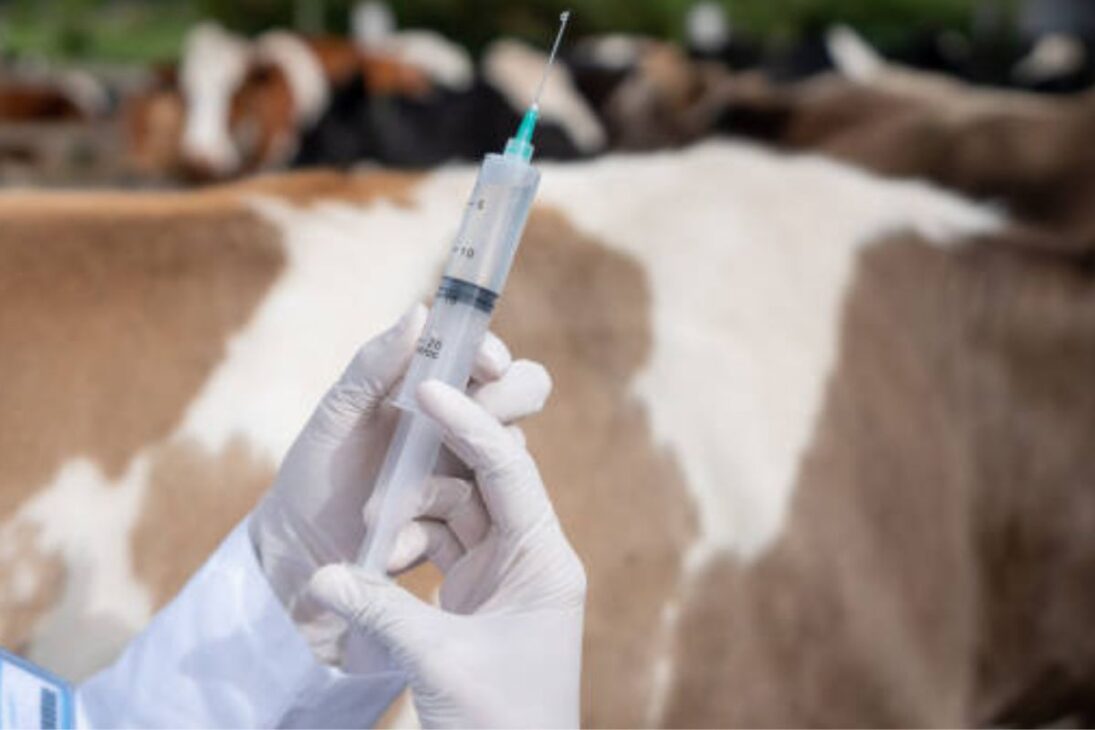
This professional is also responsible for applying the vaccine, ensuring that the process is done correctly and following safety standards.
Registration with the IMA’s Sectional Office is mandatory and gives legal validity to the procedure. It is important to remember that non-compliance with the rules can bring serious consequences.
Among them are the application of infraction notices, the inability to issue the Animal Transit Guide (GTA), and even restrictions on milk supply to cooperatives and dairies.
These measures exist to reinforce the importance of vaccination and protect not only individual herds but the entire production chain.
Types of Vaccines Used
During the vaccination against brucellosis in Minas, two main vaccines can be used for heifer calves: B19 and RB51.
Each of them has specific application and marking guidelines, which must be followed according to technical recommendations. For bubaline females, the recommendation is to use only B19.
These vaccines are applied only to heifers aged 3 to 8 months. Immunization of males and pregnant females is not allowed, as it can pose risks to the animals.
This rule exists to ensure the safety and effectiveness of the process, preserving the health of the herds. By protecting young heifers, immunization ensures that they have disease resistance throughout their reproductive life.
This means fewer losses due to abortions, greater stability in milk production, and better use of the herd as a whole.
In addition, protecting the animals helps reduce the risk of brucellosis transmission to humans, reinforcing the campaign’s role in public health.
Incentives and Support During Vaccination
The vaccination against brucellosis in Minas also includes incentives that facilitate compliance with the rules.
The Government of Minas has adopted measures to encourage livestock producers to maintain regularity, including awareness campaigns and a regionalized support network that facilitates access to guidance.
The IMA also conducts periodic inspections, not only to enforce but to guide producers on the importance of immunization.
This approach seeks to make vaccination a constant practice integrated into the routine of cattle farming in Minas Gerais.
An example of support occurred in 2024 when the country faced a vaccine shortage. To avoid losses, the IMA published Ordinance No. 2,313/24, extending vaccination and declaration deadlines.
This decision ensured that Minas maintained good immunization rates, even in the face of difficulties. That year, the first phase achieved 64.7% of vaccinated heifers, showing that collective effort makes a difference.
The vaccination against brucellosis in Minas is not only a legal requirement but also an essential measure for animal health, food safety, and the valorization of cattle farming in Minas Gerais.
Meeting deadlines, following rules, and understanding the importance of this process strengthens the entire production chain, from small producers to the final consumer.


