Portuguese
  Spanish


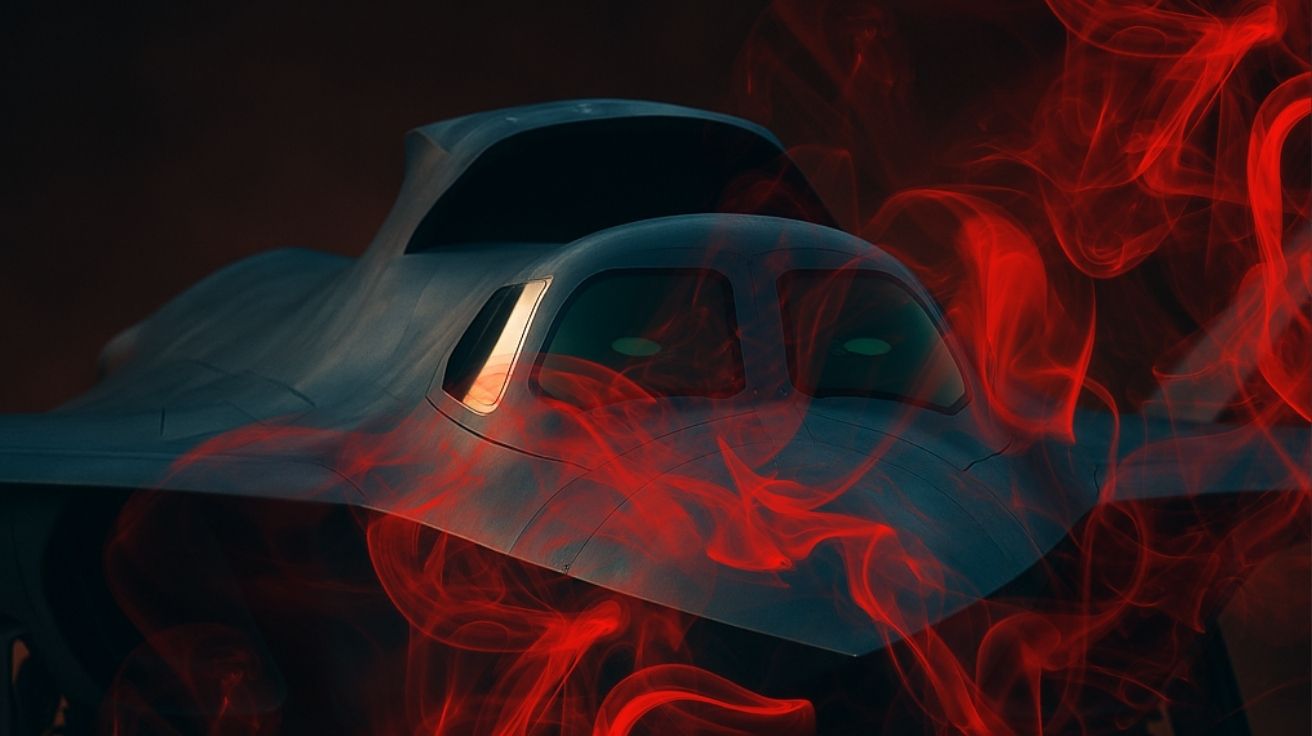

New Chinese 6th Generation Stealth Jet Surprises With Unprecedented Configuration, Massive Firepower, Side-by-Side Cockpit, And Range To Cross The Pacific To The First Island Chain
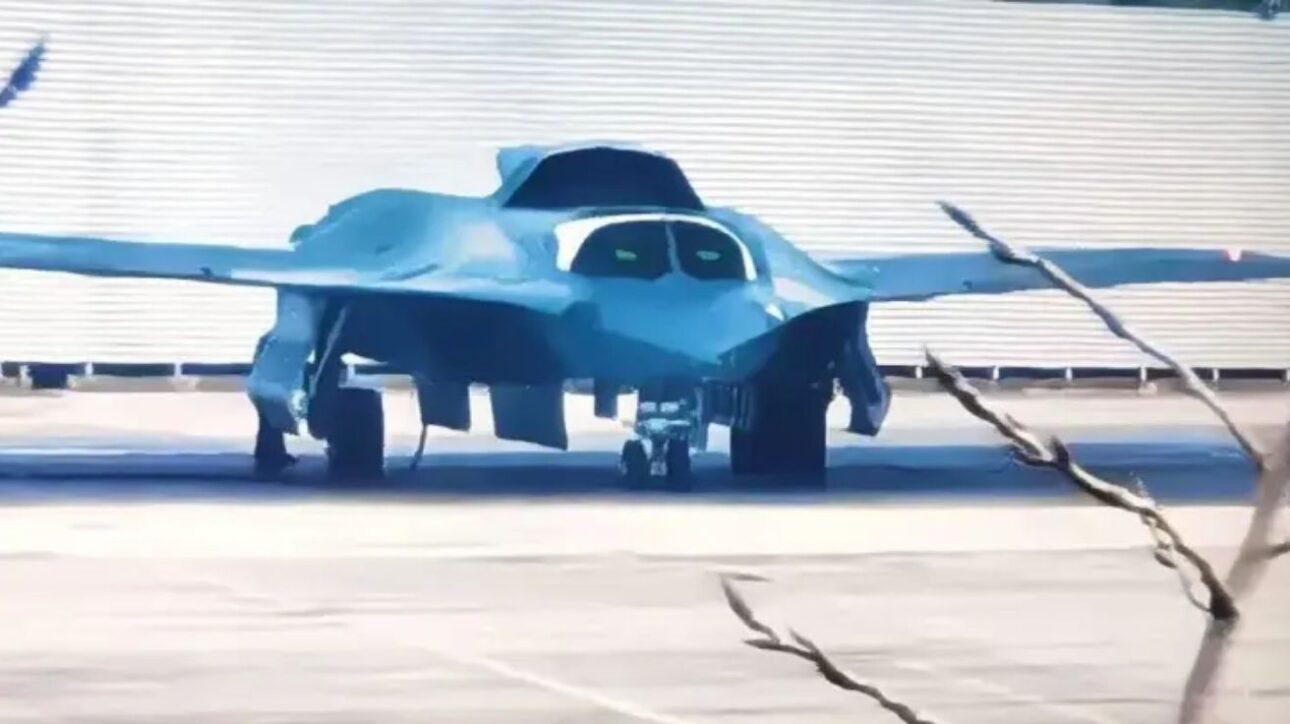
An unprecedented image of what could be China’s new fighter J-36 is causing a true earthquake among military analysts and aviation enthusiasts. The photograph, obtained at a Chengdu Aircraft Corporation facility and circulated on Chinese forums, shows a gigantic jet with open compartments, a twin cockpit, and unprecedented stealth lines.
According to information from Military Watch Magazine, the potential J-36 seems to represent the most advanced expression of the air superiority race between China and the United States, focusing on autonomy, payload, and integration with emerging technologies.
-
European Parliament Approves Digital Euro, Aiming to Challenge Visa and Mastercard’s Dominance and Transform Payments Across Europe by 2029

-
Israel finds Hezbollah militarized tunnel over 200 meters long under village, with 4 missile launch shafts, 12 chambers, anti-tank missiles, drones, and weapons depots at a depth of 25 meters.

-
Ukraine launches largest drone attack on Moscow since 2022, Russia claims to have intercepted nearly 200 aircraft near the capital, Kapotnya refinery targeted again, and offensive reignites alert about war reaching the Russian energy heart just a few kilometers from the Kremlin.

-
Truck drivers, freight, and fines from 2022 take center stage in politics: Chamber approves MP with amnesty, mandatory tracking by CIOT, million-dollar penalties, and new minimum wage for those who spend more than 24 hours on the road.



J-36Revolutionary Design And Hidden Firepower
The image of the alleged J-36 reveals a fighter with three large open belly compartments, suggesting an internal armament capacity never before seen in combat aircraft. Analysts speculate it may carry multiple long-range missiles, such as the PL-17, as well as highly precise ground attack weapons.
Unlike any contemporary fighter, the aircraft also features two smaller side bays, which can accommodate lightweight missiles like the new PL-16. The absence of visible vertical tails and the stealthy geometry of the air intakes reinforce the project’s commitment to radar invisibility.
Another highlight is the two-seat cockpit with side-by-side seating, an extremely rare configuration in modern fighters, previously seen in aircraft like the American F-111 or the Russian Su-34. This indicates that the J-36 may undertake complex missions, such as electronic warfare, “loyal wingman” drone control, and strategic operations.
With dimensions visibly larger than those of the J-20, the current Chinese 5th generation fighter, the J-36 also suggests space for high-power sensors and radars, thanks to the large volume of the aircraft’s nose. This could ensure an advantage in detection and long-range combat.
Experts suggest that the Chinese fighter may employ onboard artificial intelligence, advanced electronic warfare systems, and directed energy weapons, aligning with the concept of total air superiority.
The fuselage integrated into the wings, the stealth design, and the possible presence of a dorsal air intake reinforce rumors that the jet may have three engines, increasing its power and range.
This trijet configuration, while rare, would significantly enhance its range and ability to penetrate hostile airspace, essential for deterrence or precision strike missions.
With all these elements, the J-36 appears to combine elements of strategic bombers, air superiority fighters, and electronic warfare platforms, pointing to a new paradigm in 21st-century military aviation.
Strategy And Doctrine Behind The J-36
The adoption of such a large fighter indicates a strategic shift in China, prioritizing power projection beyond its coastal zone. The vast expanse of the Pacific demands platforms with great autonomy, and the J-36 emerges as a direct response to this geographic challenge.
Unlike the American F-22 and F-35, which have limited range, the J-36 could operate beyond the First Island Chain, hitting targets at American bases like Guam, or even supporting actions in the South China Sea region.
The twin cockpit configuration also points to long-duration and high-complexity missions, where two operators divide functions between piloting, sensors, electronic warfare, and armament. This relates to the cooperative crew concept used in bombers like the B-2.
Beyond direct combat operations, the J-36 could function as an aerial tactical center, coordinating drones, relaying targets, and even interfering with enemy networks. This transforms it into a force multiplier.
The new jet is being developed by the Chengdu Aircraft Corporation, the same entity responsible for the J-20, which had a record development time: only six years from its first flight to its entry into service.
At this pace, the J-36 could achieve operational capability by the early next decade, long before the United States’ NGAD (Next Generation Air Dominance), which is still in the conceptual phase.
The technological risk for China seems lower than that of the West. While the US and allies are betting on unmanned fighters and a high degree of automation, the J-36 retains human presence and direct offensive focus, making it more adaptable to current hybrid wars.
If its image is confirmed as real, the J-36 could be the first 6th generation fighter to enter effective service in the world, placing China at an unprecedented strategic advantage in the air race.
Controversies, Authenticity, And Global Implications
Despite the impact of the image, analysts have noted possible signs of digital manipulation, such as strange shadows and blurs near the dorsal air intake. There are indications that the image was captured by a cell phone from a monitor screen.
Even so, background elements, such as security barriers and support vehicles, match other confirmed photos of the Chengdu facility, increasing the credibility of the scene.
The international community is closely watching the program’s advancements, as the J-36’s entry into operation could force doctrinal revisions in air forces such as Japan, South Korea, Taiwan, and the United States.
Furthermore, AWACS networks and ground-based missile systems, such as THAAD and AEGIS, may need updates to handle such stealthy, long-range fighters.
Meanwhile, the US faces uncertainties in its NGAD program, with cuts to the Navy’s project and efforts concentrated on the Air Force platform. Boeing, the primary contractor, is making the largest investment in its history in this project.
If the J-36 takes flight before the American F-47, China could break decades of Western air dominance. This would require rapid responses not only militarily but also politically and industrially from the West.
The possible use of subordinate drones, onboard AI, and next-generation sensors remains shrouded in secrecy, but the indications point to an aircraft that can take center stage in both combat and air denial operations.
The emergence of the J-36 represents more than just a technological leap: it is a symbol of China’s new stance in the global military landscape, willing to contest every inch of Pacific sky and beyond.