Portuguese
  Spanish



Proposed Regulation of Tax Reform Includes Tax Increases for Cars, Alcoholic and Sugary Beverages, in Addition to Extracted Mineral Goods
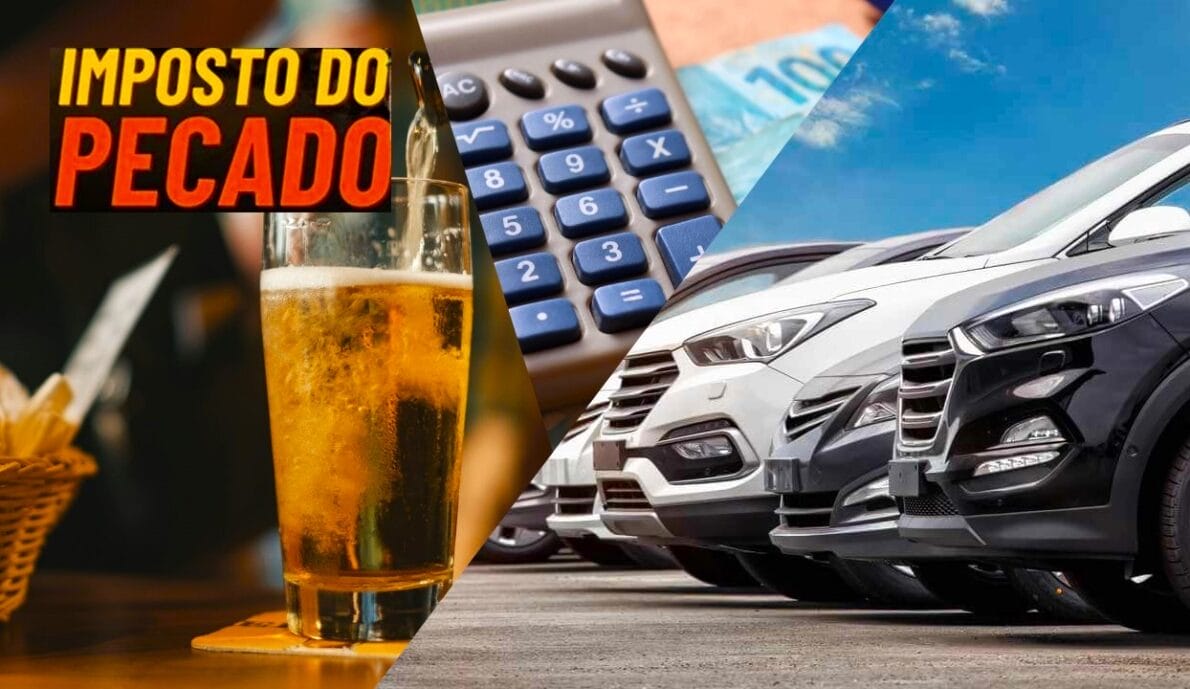
According to the website O Tempo, the Brazilian Government is planning a new tax reform across various sectors, including the automotive sector, where the tax rate on vehicles, alcoholic and sugary beverages, and minerals will be significantly increased. The tax increase on these products, the “Selective Tax”, aims to tax products that are considered harmful to health and the environment, such as conventional vehicles. Understand the measures better;
How Will the Tax on Cars Work?
The Government’s Selective Tax will cover light commercial vehicles and automobiles and various vehicle characteristics will be considered for calculating the tax rate. The parameters considered will be:
- Energy efficiency;
- Power;
- Technology;
- Performance;
Regarding sustainable vehicles, no taxes will be charged, meaning ZERO rate for these vehicles. In contrast, “non-sustainable” cars will see their taxes increased.
-
Brazil’s 2026 Tax Refund: Record 9.58 Million Filers in Largest Payout Ever, But a Key Detail on Priority Recipients Draws Nationwide Attention

-
Itaú Alters Hybrid Work Model, Increasing Office Days from 2028, Prompting Employees to Adjust to New Routine
-
Facing Labor Shortage, Japan Plans to Invest $34 Million to Attract Foreign Workers in Construction, Healthcare, Industry, and Commerce

-
Brazilian City Makes Remarkable Leap, Becomes 4th Wealthiest in the Country with GDP of R$ 134.1 Billion




Learn More About the New Tax Reform


Selective Tax Also on Beverages
The Government’s new proposal also covers alcoholic beverages and sugary drinks, and the central argument for the tax increase is to stimulate the reduction of consumption of these products by the population due to their association with increased risks of diabetes and obesity.
The basis for the increase in this taxation aligns with what the WHO states, as the Organization indicates that raising taxes is an ‘efficient’ way to reduce the consumption of these beverages among the population. 83 countries have already implemented taxation on alcoholic and sugary beverages (especially soft drinks) to encourage reduction of consumption.
Other Products That Will Be “Affected”
Other products such as tobacco, iron ore, natural gas, and oil will be ‘affected’ by this new tax increase proposal. Regarding tobacco, Brazil already has taxes on cigarettes, and the new proposal plans to include handcrafted cigarettes, cigars, and cigarillos.
As for oil, iron ore, and natural gas, the taxes charged will follow the MAXIMUM rate of 1% to the company responsible for extraction. The Government’s new proposal also aims to reduce the zero tax rate for natural gas used as an input in industrial processes and similar, in addition to “not charging” taxes for public passenger transport services on urban, semi-urban, and metropolitan road and subway systems.
All these proposed measures by the Government aim to increase sustainable practices among the population and reduce the consumption of products harmful to health.