Portuguese
  Spanish


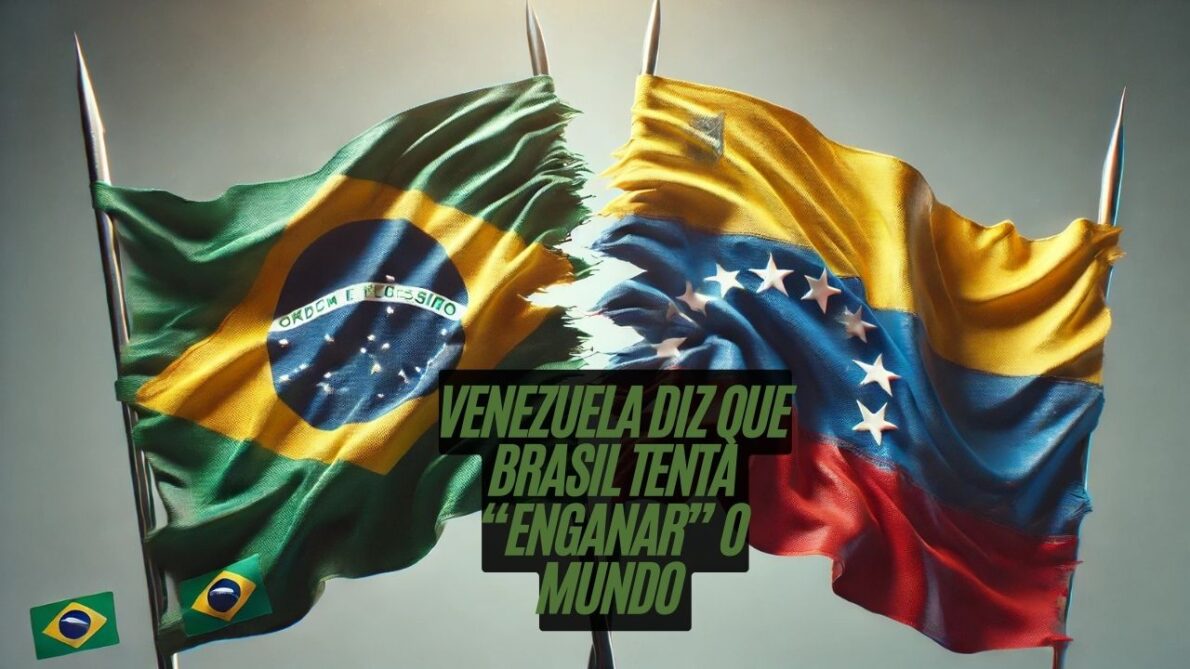

The Government of Venezuela, in a statement published by Chancellor Yván Gil Pinto, did not hold back in accusing Brazil of “deceiving” the international community by portraying itself as a “victim” in a situation it considers an aggression by the Itamaraty. According to the official statement, Venezuela expressed “surprise” regarding the reaction of the Brazilian government, which, from the Venezuelan viewpoint, would be an attempt to distort the facts and manipulate public opinion.
According to the Venezuelan government, Brazil has engaged in “blatant and gross interference” in Venezuela’s internal affairs, especially concerning electoral and political issues. The statement asserts that the Itamaraty would have violated the United Nations Charter by infringing upon Venezuelan national sovereignty and the self-determination of peoples, principles that are recognized by the Brazilian constitution itself. For Venezuela, Brazil’s position represents a clear violation of the principles of non-interference in the internal affairs of other states.
The Venezuelan Ministry of Foreign Affairs went further by declaring that Brazil’s initiative to present itself as a “witness” of the Barbados agreement “lacks veracity” and represents a “stratagem” that needs to be interrupted. The Venezuelan government emphasized that the agreements were developed “exclusively by Venezuelans,” asserting that any attempt at foreign interference is unacceptable and contrary to the spirit of self-determination.
Diplomatic Tension
Venezuela also highlighted that the Itamaraty should “refrain from interfering in matters that concern only Venezuelans” and suggested that this stance is essential to maintain respectful and constructive diplomatic relations between the two countries. For Venezuela, Brazil should adopt a “professional and respectful diplomatic conduct,” as according to the statement, Venezuela has demonstrated in its foreign policy.
-
European Parliament Approves Digital Euro, Aiming to Challenge Visa and Mastercard’s Dominance and Transform Payments Across Europe by 2029

-
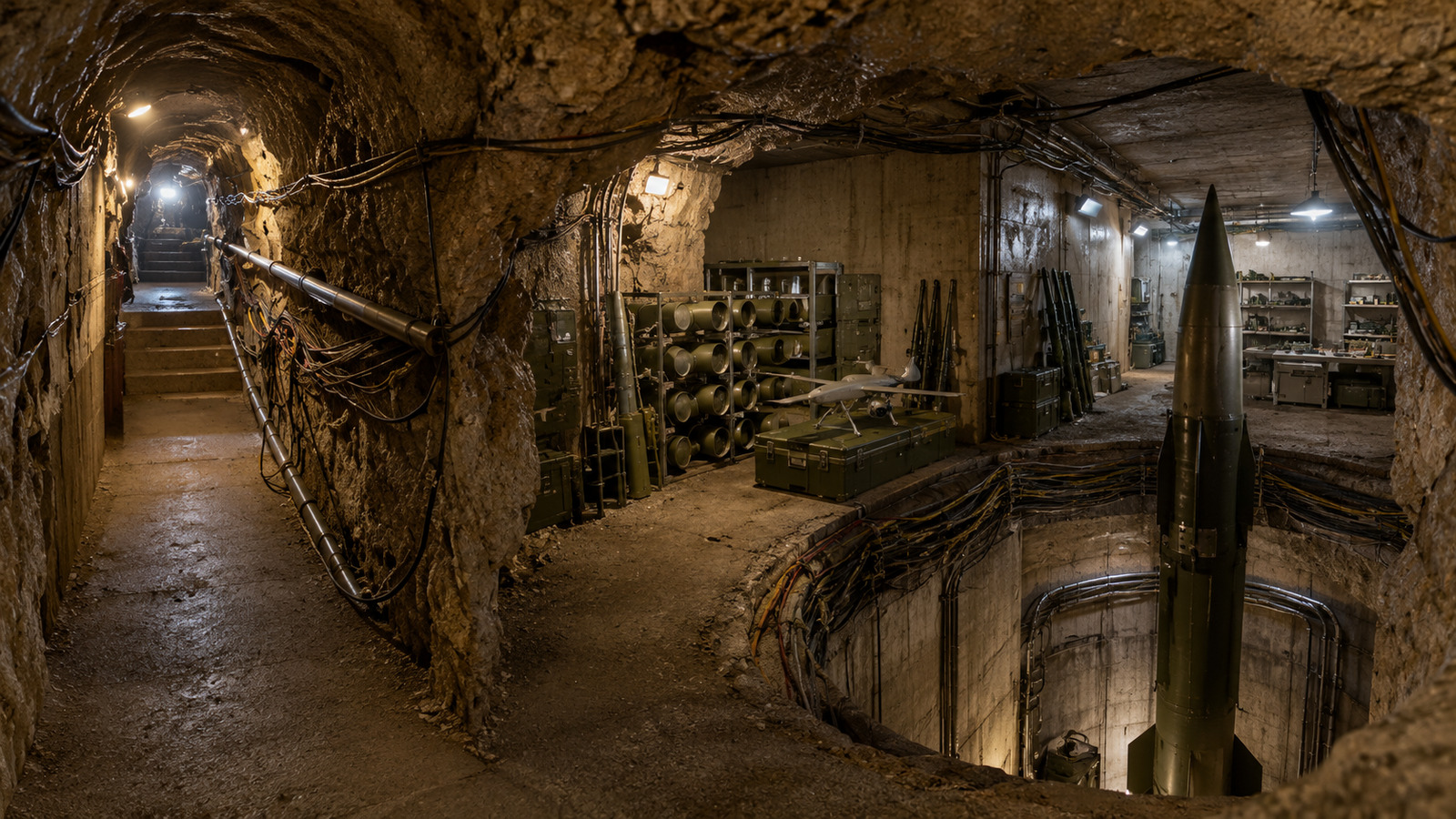
Israel finds Hezbollah militarized tunnel over 200 meters long under village, with 4 missile launch shafts, 12 chambers, anti-tank missiles, drones, and weapons depots at a depth of 25 meters.

-
Ukraine launches largest drone attack on Moscow since 2022, Russia claims to have intercepted nearly 200 aircraft near the capital, Kapotnya refinery targeted again, and offensive reignites alert about war reaching the Russian energy heart just a few kilometers from the Kremlin.

-
Truck drivers, freight, and fines from 2022 take center stage in politics: Chamber approves MP with amnesty, mandatory tracking by CIOT, million-dollar penalties, and new minimum wage for those who spend more than 24 hours on the road.



The crisis in bilateral relations has been escalating since Brazil’s veto of Venezuela’s entry into the BRICS group, a move that was fiercely criticized by Nicolás Maduro’s government. In response, Maduro summoned the Venezuelan ambassador in Brasília, Manuel Vadell, for consultations, a diplomatic step that marks the aggravation of tension between the two countries.
Furthermore, since Maduro’s contested re-election, Brazil has refused to formally recognize the outcome, which further exacerbates tensions between the governments. The Itamaraty has yet to comment on the accusations.