Portuguese
  Spanish


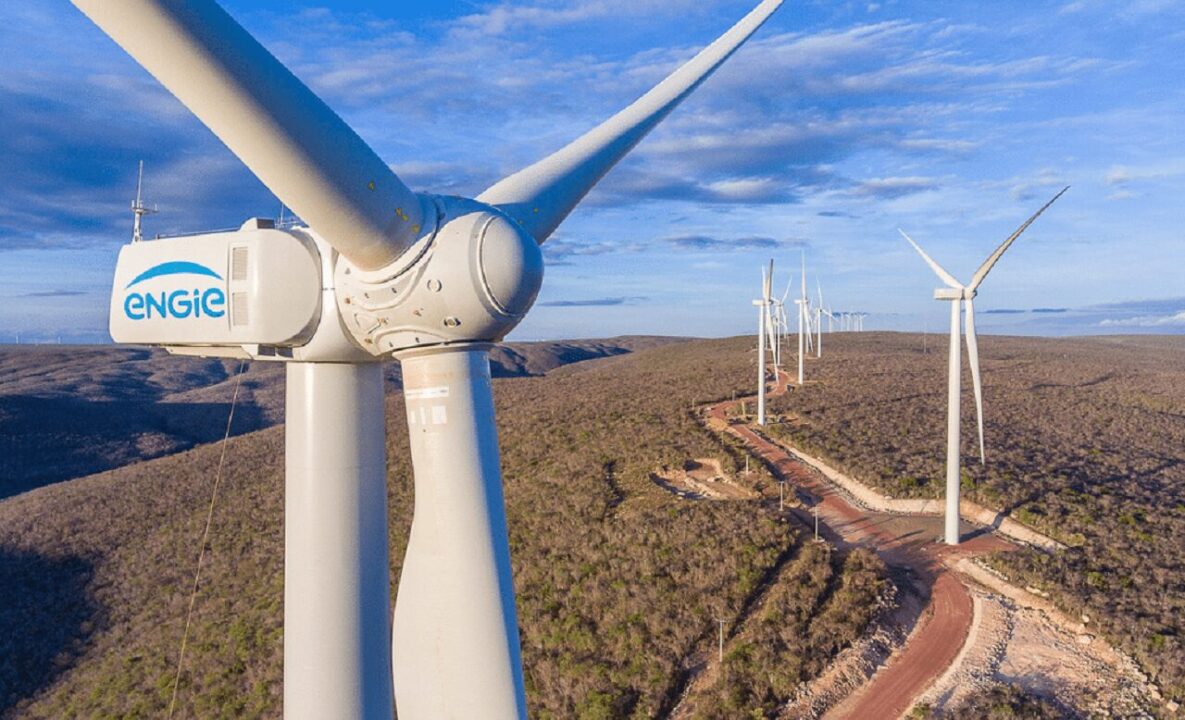

Vestas and Engie Join Forces in a Strategic Partnership to Boost the Renewable Energy Sector in Brazil. The Joint Investment of the Companies Includes the Development of a New High-Efficiency Turbine That Promises to Revolutionize Energy Generation in the Country.
With over a decade of continuous growth, the wind energy market has faced a slowdown since 2022, impacted by a significant decline in electricity demand. In light of this “crisis in the air,” Vestas, the world’s largest wind turbine manufacturer, and Engie Brasil, the leader in renewable energy in the country, are joining forces to revitalize the sector. The strategic partnership between the two giants promises robust investments and technological innovations aimed at not only strengthening wind energy generation but also positioning Brazil as one of the main global players in the segment. Understand the actions and plans of these companies that promise to redefine the future of wind energy in Brazil.
Vestas and Engie Announce Billion-Dollar Investment in New Turbine
Vestas plans to invest R$ 130 million to manufacture a new turbine, in addition to having signed an agreement with Santander Bank, which guarantees R$ 1 billion in financing for suppliers.
Engie plans to invest R$ 13.6 billion in renewable energy generation between 2024 and 2025, encompassing wind and solar projects. The measures from Vestas and Engie promise to once again leverage the largest source of clean energy for the national electric grid and accelerate the energy transition.
-
World’s Largest Engie Solar Plant in Brazil Highlights Billion-Dollar Energy Waste Issue: Company Considers Batteries and Bitcoin Mining to Avoid Wasting Production

-
Air Products Cancels $2.9 Billion Clean Hydrogen Megaproject in Louisiana, Shuts Down Arizona Unit, Highlighting High Costs of U.S. Energy Transition
-
Over 60 Tractors Take to the Streets in Lopera as Solar Parks Compete with Olive Groves, Affecting 13,000 to 100,000 Trees According to Conflicting Reports

-
Green Hydrogen Projects in Northeastern Brazil Stalled for 18 Months Awaiting Government Decree, Delaying Billions in Investments


Earlier this month, Vestas detailed its package of initiatives to boost the segment in Brazil, with an investment of around R$ 130 million. Thus, the Danish company will produce a new generation turbine, the V163-4.5, at its factory in Aquiraz, Ceará.
More than 80% of the materials are expected to be produced in Brazil, aiming to ensure the development of technologies domestically. The new turbine for renewable energy generation, considered more efficient for medium to low wind speeds, will be produced alongside the V150 turbines, which have already been developed by the company in the country.
Vestas Speaks Out on Investment in Renewable Energies
According to Vestas’ CEO for Latin America, Eduardo Ricotta, during the announcement event for the package, the company sees enormous potential and is confident about the energy transition in Brazil. It is essential to invest to ensure a strong national industry.
Additionally, the company has signed an agreement with Banco Santander, initially set at R$ 1 billion but which may be expanded to up to R$ 2.5 billion, to provide competitive liquidity conditions for suppliers in the wind sector.
The program aims to enhance financial strategies for the supply chain in Vestas’ field of activity, with the possibility of anticipating receivables with progressive advantages. The stipulated criterion is the ESG performance of each company.
Vestas also announced the signing of a Protocol of Intent with the Government of Ceará to boost the development of new wind energy generation projects in the state.
Understand Engie Brasil’s Initiatives
Engie Brasil, which operates in energy generation, transmission, and sales, gas transportation, and energy solutions, will invest R$ 13.6 billion in renewable energies in Brazil. In energy generation, the commissioning of the 70 wind turbines of the Santo Agostinho Wind Complex (RN) has been completed, totaling 100% of the installed capacity (434 MW), of which 69 are already in commercial operation and one is under testing.
Additionally, 15 generating units from the Serra do Assuruá Wind Complex (BA) have started commercial operation ahead of schedule. The project, expected to be completed by the end of 2025, will have an installed capacity of 846 MW. There have also been advancements in the construction of the Assú Sol Photovoltaic Complex (BA), which will total 752 MWac (895 MWp) upon completion, estimated for 2025.
The Serra do Assuruá Wind Complex, in Bahia, has been commercially operating since August 6, after authorization from the National Electric Energy Agency (Aneel). This first commercial activation represents 8% of the total installed capacity. It will comprise 24 wind farms, with 188 wind turbines and a total installed capacity of 646 MW.