






 Portuguese
  Spanish


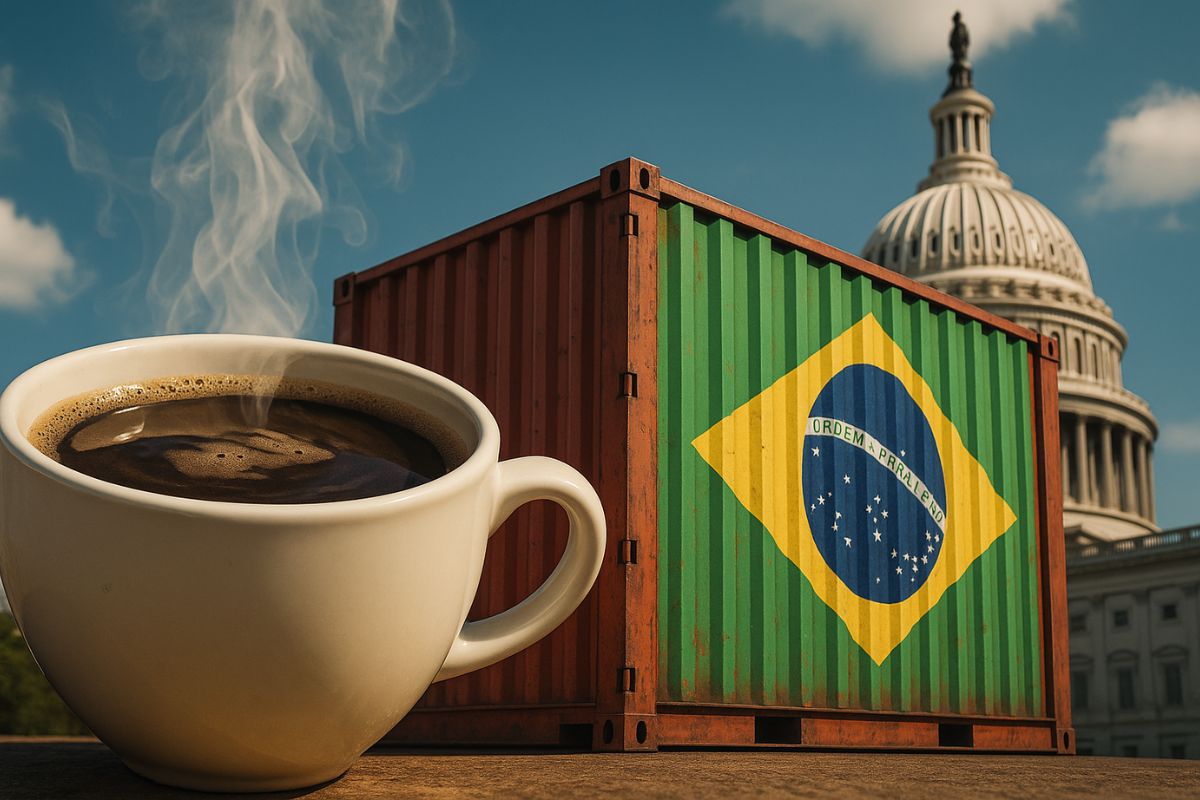


Coffee Addict: US Tariffs Against Brazil Reveal Unexpected Crisis in International Trade. Professor Oliver Stuenkel Analyzes How US Dependence on Brazilian Coffee Exposed Political and Economic Vulnerabilities
The American is notoriously addicted to coffee — and this cultural trait has become a central piece of a trade dispute involving Brazil and the United States. According to an analysis by Professor Oliver Stuenkel, an expert in international relations, the tariffs imposed by Donald Trump on Brazilian products, especially coffee, generated a strong reaction within the US, revealing an unexpected political pressure on the government.
Today, the US imports 99% of the coffee it consumes, with only small plantations in Hawaii. In this scenario, Brazil is an indispensable supplier, responsible for supplying a large part of the demand from giants like Starbucks. Therefore, the recent taxation has caused concern among American businesspeople, who are already mobilizing to pressure Congress and the White House to reconsider the measure.
Why Is Brazilian Coffee Strategic for the US?
The connection between Brazil and the United States goes beyond diplomacy: coffee is an essential input for the American economy and daily life. It is a billion-dollar market that drives consumption chains, from coffee shops to technology companies and coworking spaces that rely on daily consumption habits.
-
Brazil’s 2026 Tax Refund: Record 9.58 Million Filers in Largest Payout Ever, But a Key Detail on Priority Recipients Draws Nationwide Attention

-
Itaú Alters Hybrid Work Model, Increasing Office Days from 2028, Prompting Employees to Adjust to New Routine
-
Facing Labor Shortage, Japan Plans to Invest $34 Million to Attract Foreign Workers in Construction, Healthcare, Industry, and Commerce

-
Brazilian City Makes Remarkable Leap, Becomes 4th Wealthiest in the Country with GDP of R$ 134.1 Billion




With the tariff, importing Brazilian coffee becomes less economically viable, threatening an entire sector that supplies millions of consumers. This explains why American lobbyists and lawmakers took immediate action, pushing for a reversal of the measure.
The Political Weight of the Coffee Addict
According to Stuenkel, the discussion surrounding the tariffs is not only economic but also political. Brazil, once considered irrelevant in Washington’s priorities, gained unexpected prominence precisely because of American dependence on coffee.
The expert notes that, in other tariff disputes, such as with India or European countries, the political impact was smaller. In the case of Brazil, however, the “coffee addict” profile of the average American placed direct pressure on the US government, turning the agenda into a matter of national interest.
Does Brazil Still Need the US?
Despite the impact on specific sectors, Stuenkel assesses that Brazil is better prepared to withstand external pressure. Today, the country exports more to China than to the US and Europe combined, which provides the Brazilian government with greater maneuvering room.
Companies affected by the tariffs may seek compensation in other markets, taking advantage of the multipolar world, where there is no longer exclusive dependence on a single power. This reality places Brazil in a more comfortable position than neighbors like Colombia, which is highly dependent on the American market.
What to Expect Moving Forward?
The dispute over coffee shows how a cultural habit can turn into a political and economic weapon. For the US, backing down from the tariffs could mean avoiding shortages and popular pressure. For Brazil, resisting is a sign of sovereignty and diversified commercial insertion.
The future of this crisis will depend on the intensity of domestic pressure within the United States. After all, messing with the coffee addict American could cost any government dearly.
And you, do you believe the US will back down in the face of consumer pressure or will they maintain the tariffs against Brazil? Share your opinion in the comments — we want to hear from those who live this reality up close.








… aguardando o PIX PLAY, BRICIS em ação
… deve sim recuar, pelo menos na tarifa do café
Trump deveria aumentar mais a taxa e passar para a terceira fase da lei mag
****, só pra você né **** ****