Portuguese
  Spanish


Vietnam is starting to build the Ma Da bridge, a strategic piece of engineering that will connect the mountainous interior region to the new mega-airport and a deep-water port, unlocking the logistics of an entire part of the country.
There are constructions that, on their own, may not seem like much, but become decisive pieces of a larger puzzle. This is the case of the bridge Ma Da, which Vietnam is about to start building. At about 583 meters and eight lanes, it is not the largest bridge in the world, but its role in the integration of the country is enormous.
Its function is to connect the mountainous region of the Vietnamese Central Highlands to the new mega-airport of Long Thanh and a deep-water port. In other words, the bridge links the producing interior to the country’s major gateways, air and sea. It is a key piece for goods and people to flow quickly through one of the fastest-growing economies in Asia.
A bridge that connects interior, air, and sea
The great value of the Ma Da bridge lies precisely in whom it connects. On one side, the Central Highlands, a mountainous region rich in agricultural production but historically more isolated. On the other, the new mega-airport and a deep-water port, two points through which much of Vietnam’s trade passes. The bridge is the link that brings these two ends closer together.
-
Self-taught Brazilian Mechanic Builds 10-Ton Aluminum Sailboat in Backyard, Now Navigates the Brazilian Coast at 50

-
Santa Catarina Launches $1.4 Billion, 145-Kilometer Highway Project with Six Lanes and Speeds Up to 120 km/h

-
Couple Transforms 1913 School into 370 m² Home with Four Bedrooms After $175,000 Purchase and Three Years of Renovation
-
Bamboo Houses Built in 7 Days for the Price of a Smartphone: 26 Survived Intact in Myanmar’s 7.7 Earthquake



I confess that I find it fascinating how a single construction can reorganize the logistics of an entire region. Connecting the interior directly to the airport and the port means that production can reach international markets much faster, lowering costs and opening opportunities. It’s the kind of infrastructure that not only changes local traffic but the economic destiny of an entire area.
It’s important to understand the concept behind this connection, which experts call multimodal connection. The idea is to bring together, in the same axis, different means of transport: the road coming from the interior, the plane departing from the airport, and the ship sailing from the port. When these three modes connect efficiently, goods flow without bottlenecks, moving from one to the other with agility. The Ma Da bridge is precisely what stitches this system together, ensuring that a product from the Central Highlands can quickly reach the plane or the ship. Without this piece, the path would be blocked, and that’s why a construction of just over 500 meters gains such strategic weight in Vietnam’s planning.
Vietnam rushing to grow
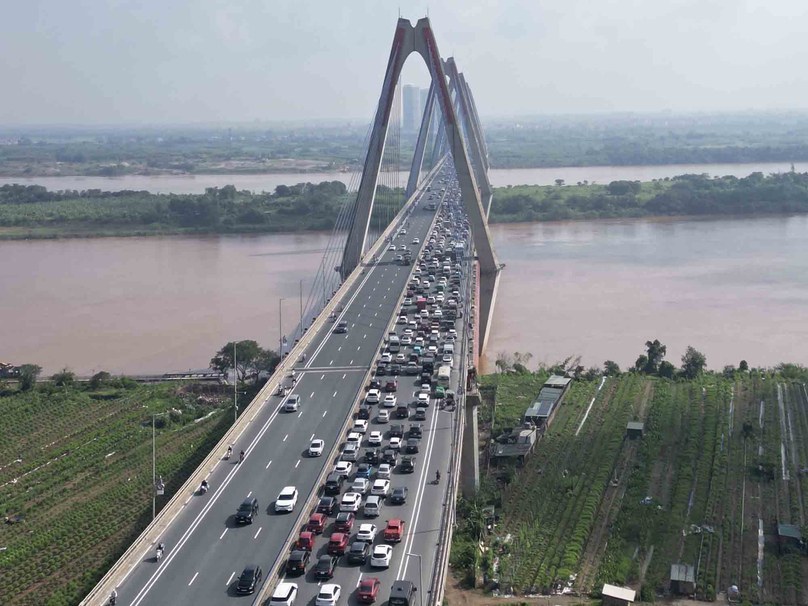
The Ma Da bridge is part of a larger effort by Vietnam to modernize its infrastructure at a rapid pace. The country is experiencing an economic boom, attracting factories and investments from around the world, and knows it needs roads, bridges, ports, and airports to match this growth. Without good logistics, production stalls and development loses momentum.
That’s why each of these constructions is treated as a priority. The new mega-airport of Long Thanh, to which the bridge will connect, is one of the country’s largest projects, designed to be a major aviation hub in the region. Connecting this airport to the interior and the port creates a transportation network capable of supporting Vietnam’s ambition to become an industrial and commercial powerhouse in Asia.
The growth of Vietnam in recent years is a phenomenon worth watching. The country has become one of the preferred destinations for factories leaving China in search of cheaper labor and a favorable business environment, attracting giants in electronics and apparel. This industrial boom generates an enormous amount of goods that need to be exported, and all this puts pressure on the existing infrastructure. A poorly planned road or bridge can become a bottleneck that stifles growth. That’s why Vietnam is rushing to build, knowing that its chance to become a powerhouse depends on being able to move people and products as quickly as factories produce.
The engineering of uniting a difficult region
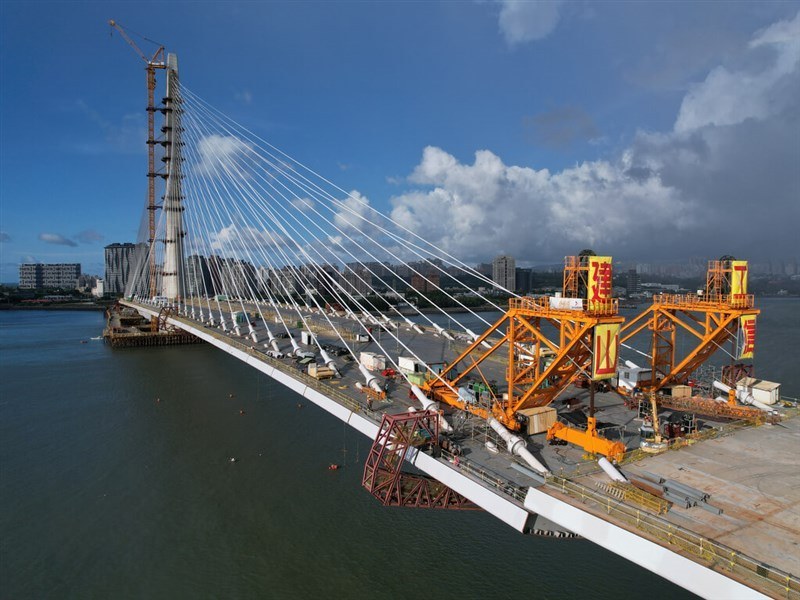
Building a bridge that connects a mountainous region is no simple task. The rugged terrain, the rivers to be crossed, and the need to withstand heavy and growing traffic require robust engineering. The eight lanes planned show that the construction was designed not only for the present but for the volume of vehicles and cargo that is expected to grow significantly in the coming years.
Every detail of such a construction is calculated to last decades and support the economic expansion of the region. The Ma Da bridge needs to be strong enough to serve generations, reliably connecting the interior to major transportation centers. It’s engineering working in service of a larger goal, stitching a country together and preparing it for the future that Vietnam pursues with such urgency.
Small bridge, big impact
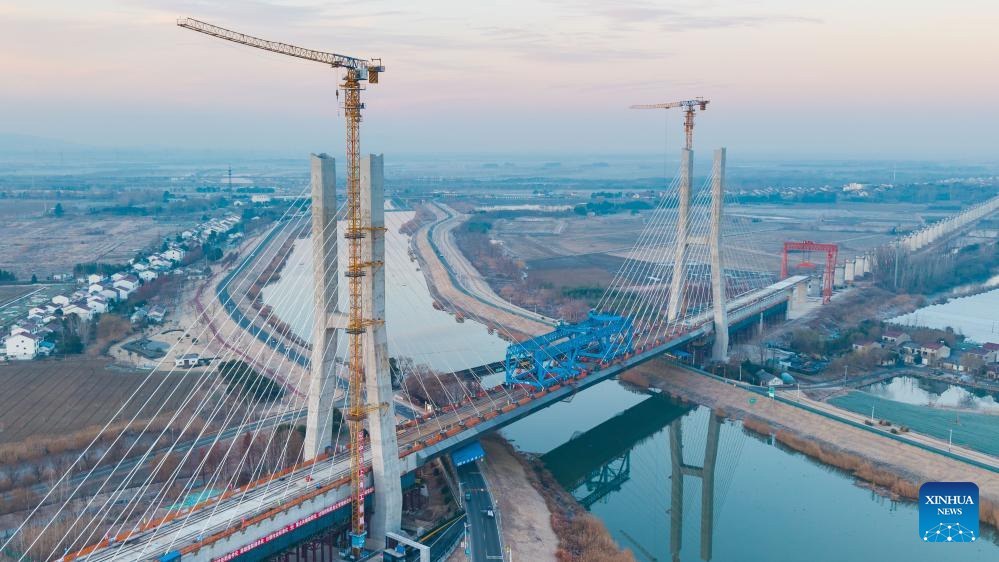
I imagine the impact that an apparently modest construction like this can have on the life of an entire region, shortening distances, lowering costs, and opening the doors of the interior to the world. It’s the kind of silent change that doesn’t make headlines every day, but is felt in the pocket and daily life of those who produce and live there.
The Ma Da bridge is a reminder that, in infrastructure, size isn’t always what matters, but strategic position. By connecting the mountainous interior to the mega-airport and the port, it becomes an essential piece in Vietnam’s growth. When completed, it will show how a well-placed bridge can be worth much more than its 583 meters in length.
Do you agree that a well-positioned bridge can transform the economy of an entire region?