






 Portuguese
  Spanish
  3 min of reading
  0 comments


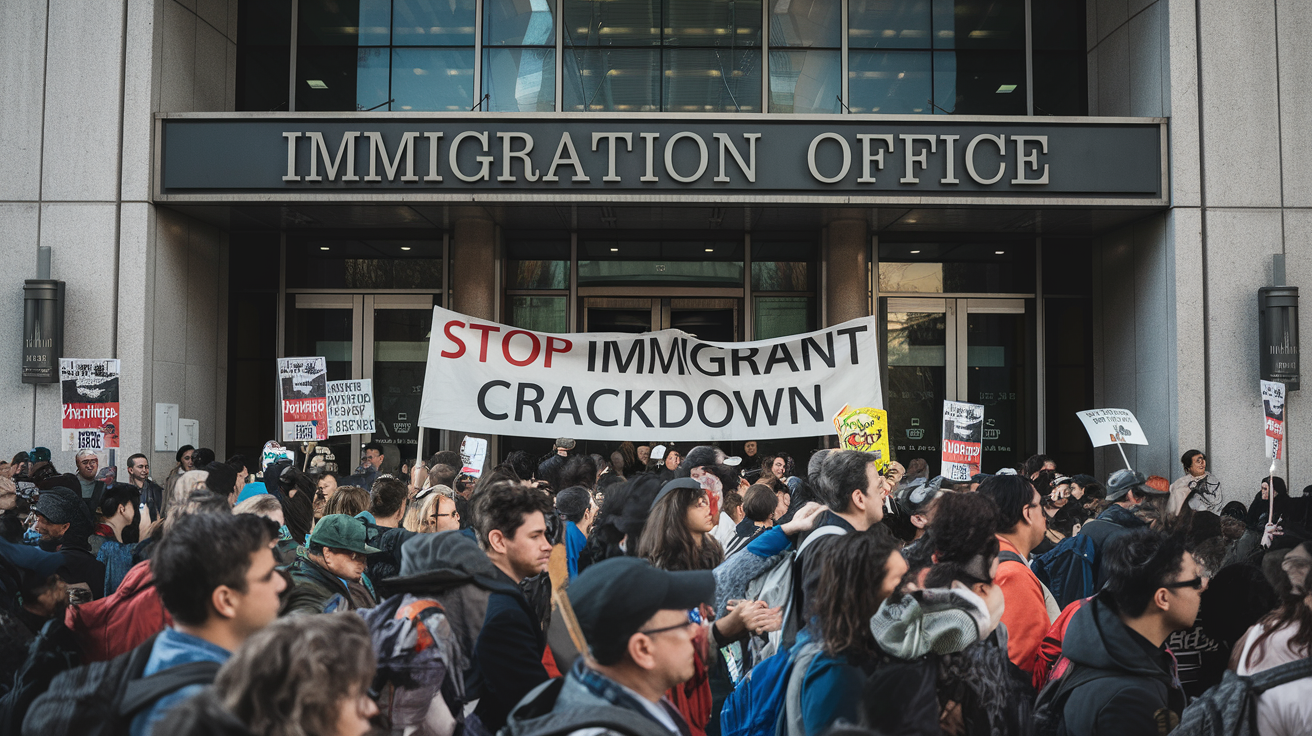
Real Estate Crisis In Canada: Country Will Reduce More Than 20% Of Immigration In 2025. Living In Canada Is Getting More Complicated For Foreigners. Understand The Crisis In Canada And Other Details.
In light of an increasingly indecisive public opinion, the Justin Trudeau government has decided to temporarily reduce the quota of permanent residents in the country by 21% starting next year, following a crisis in Canada. It is becoming increasingly difficult to live in Canada, and according to the Canadian Prime Minister, the goal is to stabilize population growth. According to a survey, more than half of Canadians believe that high immigration rates harm the nation and cause a real estate crisis in Canada.
Crisis In Canada Due To High Number Of Foreigners
Traditionally seen as a welcoming land for immigrants, the real estate crisis in Canada has led the country to announce a significant reduction of 21% in the quota of permanent residents that it will receive starting in 2025.
According to the Canadian Prime Minister, immigration is essential for the country’s future, but it must be controlled and sustainable, emphasizing that this reduction means a pause in population growth over the next two years.
-
Ukraine launches largest drone attack on Moscow since 2022, Russia claims to have intercepted nearly 200 aircraft near the capital, Kapotnya refinery targeted again, and offensive reignites alert about war reaching the Russian energy heart just a few kilometers from the Kremlin.

-
Truck drivers, freight, and fines from 2022 take center stage in politics: Chamber approves MP with amnesty, mandatory tracking by CIOT, million-dollar penalties, and new minimum wage for those who spend more than 24 hours on the road.

-
China off the radar: US plans mega $30 million weapons depot in Australia, out of reach of most Chinese missiles, with full capacity expected by 2028

-
Trump’s wall advances at a rapid pace: government promises to complete a barrier of over 3,000 km by 2027 while drones and cartels turn the US border into a new field of technological dispute




This measure, generated by the crisis in Canada, comes after several rounds of restrictions aimed at curbing record immigration levels, which led the population to over 41 million at the beginning of the year, far exceeding the approximately 35 million from a decade ago, making it increasingly difficult to live in Canada.

The Immigration Department of Canada had previously announced plans to allow 500,000 new permanent residents to settle in the country in 2025 and 2026. The new numbers announced in October were revised downwards to 395,000 next year and 380,000 in 2026. The number for 2027 has been set at 365,000.
Better Understand The Crisis In Canada
A large part of Canadians see immigration as one of the main drivers of the real estate crisis in Canada. This market is characterized by a low supply of affordable housing in the context of accelerated urbanization and a lack of compelling efforts to meet the demand for housing, particularly in a growing immigration scenario.
These factors have persisted for decades and were catalysts for real estate speculation in the 1970s in the country’s major urban centers, driving residential prices in cities like Toronto and Vancouver to triple by the end of that decade and today they rank as some of the most expensive real estate markets on the American continent, making it almost impossible to live in Canada.
In the current context, the cost of living in Canada is the highest in decades, with the average home sale price hovering around 700,000 dollars and rental and mortgage costs consuming up to 25% of family income, generating a real estate crisis in Canada.
Understand The Impacts Of The Real Estate Crisis In Canada For Businesses
For the Canadian Chamber of Commerce, this reduction is impactful for businesses across the country, which view immigration as a fundamental factor for economic growth and their only source of workforce growth in the short term.
Donald Trump, who made immigration a central theme of his presidential campaign in the U.S., also reacted to the announcement, pointing out that even Justin Trudeau wants to close Canada’s borders, referencing his own plan to further regulate immigration at the U.S. borders.
In Canada, the leader of the Conservative opposition, Pierre Poilievre, claims that Justin Trudeau has destroyed the immigration system and that today’s turnaround is an admission of failure.


Be the first to react!