Portuguese
  Spanish


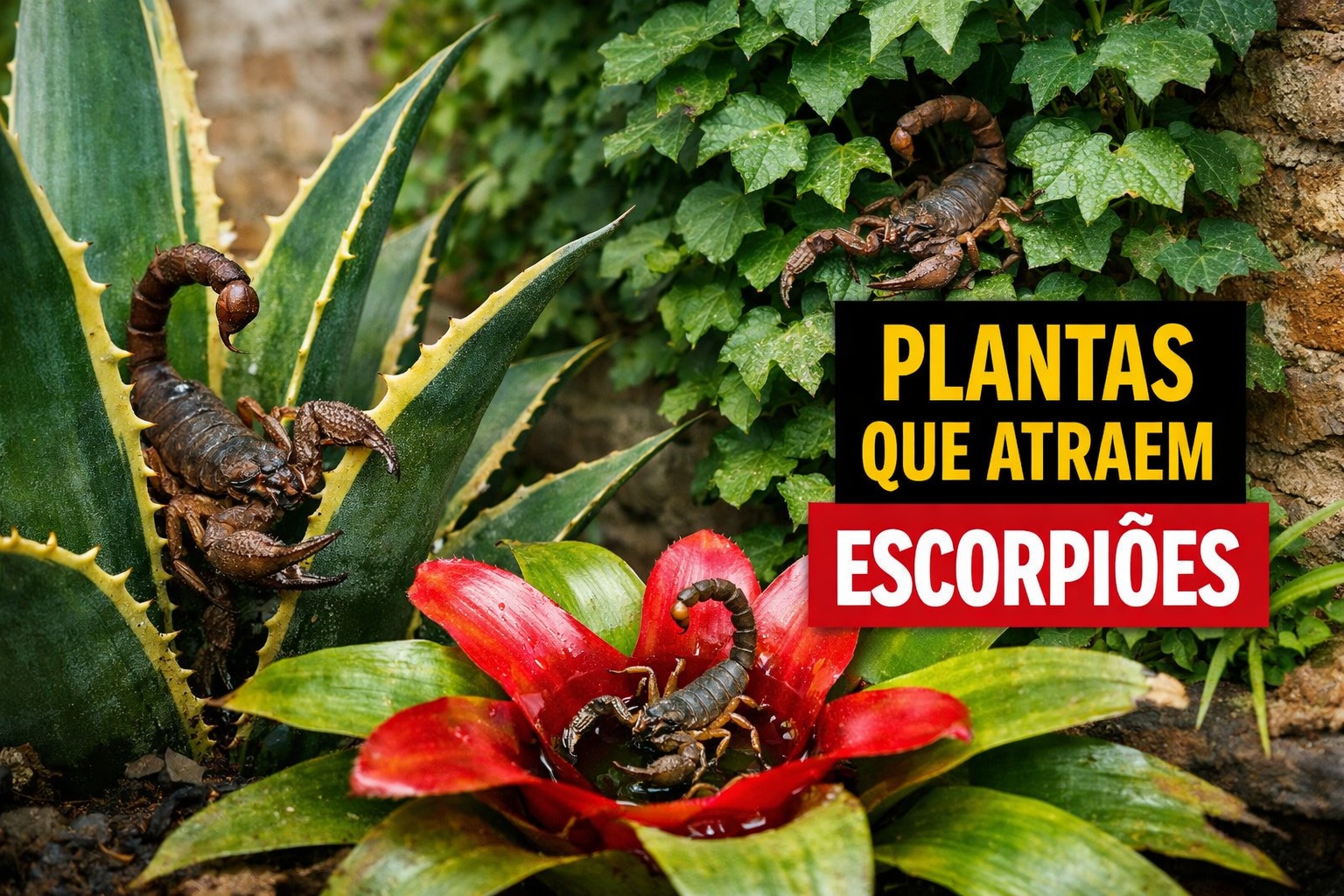


Specialists Warn That Residential Gardens Prioritize Aesthetics, But Species Like Agave, Ivy, And Bromeliads Offer Shelter, Moisture, And Prey, Favoring Scorpions And Elevating Risks Of Serious Accidents In Domestic Areas
The scorpion, an animal feared by humans, can find in its own garden ideal conditions to settle, due to specific ornamental plants that offer shelter, moisture, and food, increasing the risk of serious domestic accidents and even fatalities.
The warning focuses on the fact that residential yards, often maintained solely for aesthetics, can turn into conducive environments for the presence of these dangerous arachnids.
Ornamental Plants And Hidden Risks
Gardening experts emphasize that certain plants, although popular, create natural hiding places that are difficult to identify during routine maintenance.
-
Mother discovers she may have won £12 million in the lottery but faces an agonizing wait after the shopkeeper threw the ticket in the trash.

-
A couple bought a house in Sheffield and, when removing the carpet from the hallway, found a trapdoor leading to a secret 23 m² basement with a 2-meter ceiling height, a discovery that eliminated the need for an expensive extension and, according to them, added £70,000 to the property’s value.

-
A nurse bought for 20,000 a 1955 house abandoned by a hoarder in Texas, and months later, rain revealed a buried pool in the backyard valued at $160,000, which he restored himself for about $10,000, a fraction of the cost of building a new one.
-
The United Kingdom is transforming dog feces left on trails into gas to light a streetlamp through an unlikely and surprising project that shows how even one of the most rejected wastes in cities can generate energy.




These species feature structures that accumulate moisture, constant shade, and narrow spaces, factors that favor the silent sheltering of scorpions.
In addition to physical shelter, this type of vegetation also attracts insects, which serve as a food source for the arachnids.
Agave Americana And Natural Shelter
Agave americana, known as agave, pita, or piteira, is valued for its resilience and striking ornamental appearance in residential gardens.
Its rosette structure and thorny edges create perfect crevices to house scorpions without being easily noticed.
The moisture accumulated between the bases of the leaves further intensifies the appeal of this environment for arachnids.
Another problem associated with Agave americana is the maintenance, considered difficult due to the sharp thorns, which complicates frequent inspections.
Ivy And Dense Hiding Places
Ivy, scientifically known as Hedera helix, is widely cultivated on walls and fences for its dense green coverage.
This thick foliage maintains constant moisture and shade, ideal conditions for the presence of scorpions in the domestic environment.
Additionally, the plant harbors insects like crickets and cockroaches, which serve as food for these arachnids.
The pruning and inspection of ivy are complicated, favoring scorpions to settle unnoticed.
Bromeliads And Natural Reservoirs
Bromeliads are appreciated for their beauty and coloration, but they present risks by attracting scorpions to residential areas.
Their rosette leaves accumulate water, forming small natural reservoirs that attract mosquitoes, cockroaches, and crickets.
The availability of food, combined with the structural protection of the plant, transforms bromeliads into safe havens for scorpions.
As a supplementary detail, gardens with these species require heightened attention, regular inspections, and careful evaluation of the cultivated plants.
With information from Xataka.