





 Portuguese
  English
  Spanish
  3 min of reading
  2 comments


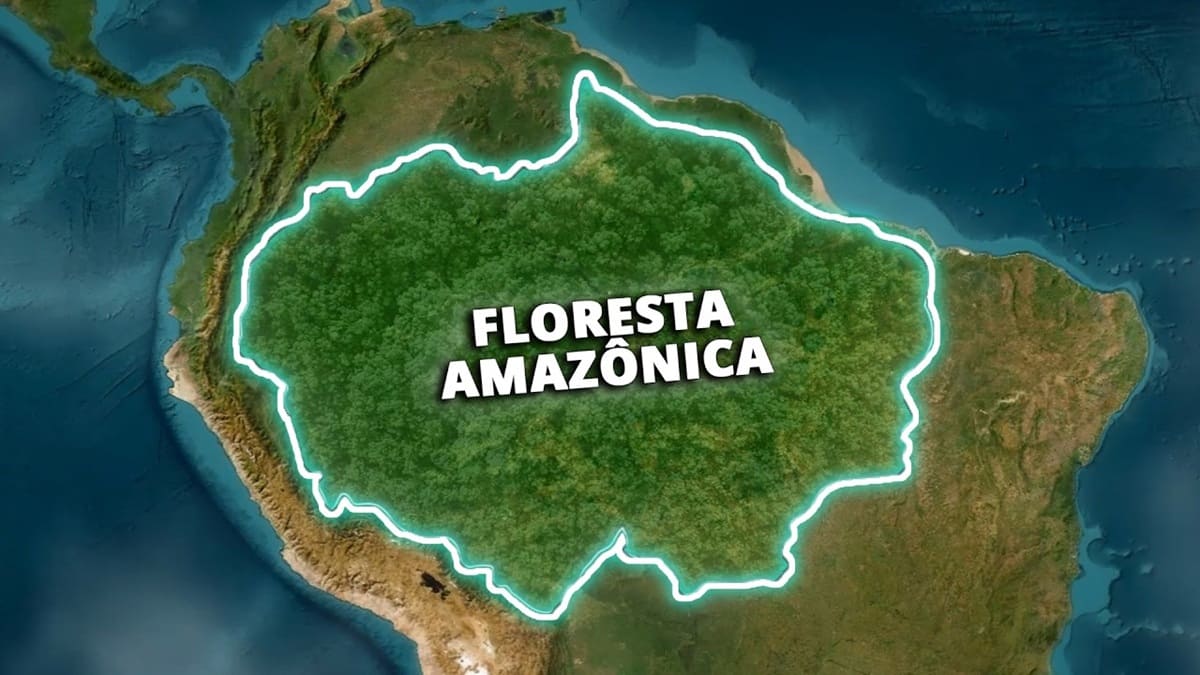


Few People Have An Idea Of The Size And Importance Of The Largest Tropical Forest In The World. The Amazon Covers Almost Half Of South America, Houses Millions Of Living Species, And Is Responsible For A Large Part Of The Fresh Water And Oxygen Of The Planet. However, It Remains Threatened By Human Activities.
The Largest Tropical Forest In The World Is In South America. The Amazon Is One Of The Richest Ecosystems On The Planet And Plays An Essential Role In Global Environmental Balance.
Its Size Is Impressive, And Its Importance Goes Far Beyond The Borders Of The Nine Countries It Encompasses.
Where Is The Amazon And What Is Its Size
The Amazon Rainforest Covers About 7 Million Square Kilometers.
-
Workers were excavating a modern arts center in Wales when they found, stuck in the mud of the River Usk, a 30-meter medieval ship made to cross seas and hidden under the city for more than 500 years.

-
The United States begins to close the route for old electric car batteries: New Jersey bans disposal as regular waste starting in 2027, mandates collection and tracking plans, and holds manufacturers accountable for end-of-life.
-
In just one cast, fishermen are surprised to capture 14,096 mullets in Bombinhas and close a historic season with 58,000 fish; scene recorded in the Santa Catarina paradise marks the last day of the 2026 season.

-
A ship that swallows ocean trash uses a U-shaped barrier, sensors, and artificial intelligence to capture plastic without sucking up fish, while the largest system of Ocean Cleanup removed 11.5 million kg in 2024.



It Spreads Across Nine South American Countries, With A Focus On Brazil, Which Holds Approximately 60% Of The Entire Forest.
The Other Countries With Areas Of The Amazon Are: Peru, Colombia, Venezuela, Bolivia, Ecuador, Guyana, Suriname, And French Guiana.
Biodiversity Is One Of The Greatest In The World
Millions Of Species Live In The Amazon. There Are Plants, Animals, And Insects That Only Exist In This Region. Many Of These Species Have Yet To Be Discovered.
This Makes The Forest A Place Of Great Scientific Value. The Diversity Is So Broad That, In Just A Single Hectare Of Forest, It Is Possible To Find More Tree Species Than In The Entire Territory Of The United States.
The Amazon River Is A Force Of Nature
The Amazon River Flows Through Much Of The Forest.
It Is The Most Voluminous River In The World, With Over 7,000 Kilometers In Length.
Its Watershed Drains About 20% Of The Fresh Water On Earth. It Is A Vital Source Of Life For The Forest, Local Communities, And Aquatic Species.
The Forest Is Threatened By Human Actions
Despite Its Importance, The Amazon Faces Serious Threats. The Main Ones Are Deforestation And Illegal Mining.
These Activities Destroy Entire Areas Of The Forest And Endanger Global Climate Balance.
The Loss Of Vegetation Directly Affects The Forest’s Ability To Capture Carbon Dioxide And Release Oxygen.
The Amazon Is Known As The “Lungs Of The World.” This Reputation Is Due To Its Capacity To Produce Oxygen And Absorb Large Amounts Of Carbon Dioxide. This Function Helps Regulate The Planet’s Climate And Mitigate The Effects Of Climate Change. Without The Forest, The Global Environmental Impact Would Be Even More Severe.
Preserving The Amazon Is More Than Protecting A Forest. It Is Ensuring The Planet’s Climate Stability, Biodiversity, And The Future Of The Next Generations. With Every Tree Cut Down, A Part Of What Keeps The World In Balance Is Lost.






Entre tantas falhas essa notícia deixou de falar de algo muito importante que também atua na manutenção da floresta que são as populações indígenas e ribeiro,essa reportagem claramente deixa um vazio demográfico,que é o que o resto do mundo acredita,que não existem população dentro da Amazônia. Fora esse mito de pulmão do mundo que muitos autores já jogaram por terra ,como VIOLETA LOUREIRO.
Enfim,essa produção ficou com cara de coisa de IA.
Obs: ribeirinhas e quilombolas.