Portuguese
  Spanish


GWM Wins Volkswagen in Court and Opens the Way for Electric Cars in Brazil. Read About the Future of Automotive Design!
In a recent legal battle that captured the attention of the automotive sector, Volkswagen faced a significant defeat in a ruling that prevented Great Wall Motors (GWM) from registering and selling its electric models Ora Punk Cat and Ballet Cat in Brazil.
These models, which boast a design reminiscent of the iconic Beetle, were the center of an intense legal dispute.


Registration and Controversy
A few years ago, GWM successfully registered the industrial design of these two electric cars with the National Institute of Industrial Property (INPI). However, Volkswagen quickly reacted, filing a lawsuit claiming that the models were copies of its beloved Beetle.
-
Fiat Cronos Precision 2018: Affordable Sedan with Spacious Trunk and Reliable Maintenance

-
Volkswagen to Cut Production by 1 Million Cars by 2030, Reducing Jobs and Platforms, Focusing on More Profitable Models

-
Toyota Launches First 100% Electric Car in Brazil: bZ4X with 343 HP, All-Wheel Drive, 361 km Range, Priced at $419,990 BRL, Limited to 99 Units

-
Chinese SUV Achieves 24.4 km/l, Outperforms Toyota Yaris Cross in Real-World Tests with 224 hp Hybrid System, Offers 51-Liter Tank for Greater Range, and Costs Up to R$ 5,000 Less.


Volkswagen is known for rigorously defending its designs and trademarks, often using the argument of “lack of innovation” to contest registrations it considers similar to its products. Recently, the company even opposed the registration of a brand called “Kombinação,” demonstrating its vigilant stance.
Volkswagen vs GWM: A Turnaround in Court
Despite Volkswagen’s efforts, the Federal Regional Court of the 2nd Region reversed the initial decision on March 4, favoring GWM. The court argued that there was no unfair competition since the original Beetle has not been produced in Brazil since 1996, and its successor, first known as New Beetle and then as Beetle again, ceased sales in 2020.
Inspired Design and the Legacy of Volkswagen Beetle
Interestingly, GWM has never concealed that its inspirations came from the Beetle, asserting that its goal was to keep Volkswagen’s legacy alive. The Chinese company argues that it is contributing to the evolution of automotive design, respecting the foundations left by Volkswagen and improving them for the benefit of society.
Although the court decision paves the way for the sale of the Ora Punk Cat and Ballet Cat in Brazil, GWM remains cautious. Company executives have already expressed concerns that launching the models in Brazil could harm the brand’s image, especially considering that the cars have not achieved sales success in China. Therefore, even with the legal victory, the introduction of the models in the Brazilian market remains uncertain.
Exploring the Innovative Features of the ORA Ballet Cat
Three Versions, All Electric
Unlike the Beetle, the ORA Ballet Cat features exclusively electric propulsion. The entry-level version is equipped with an electric motor at the front axle (coupled to a 60.5 kWh battery), providing an output of 171 hp and a maximum torque of 25.5 mkgf, reaching a top speed of 155 km/h.
The mid-range model offers rear-wheel drive and a high output of 300 hp. In the top-of-the-line version, the “Chinese Beetle” boasts an impressive 544 hp with two electric motors. In this version, the declared range is approximately 500 km under the Chinese CLTC standard when fully charged.
Cutting-Edge Technology
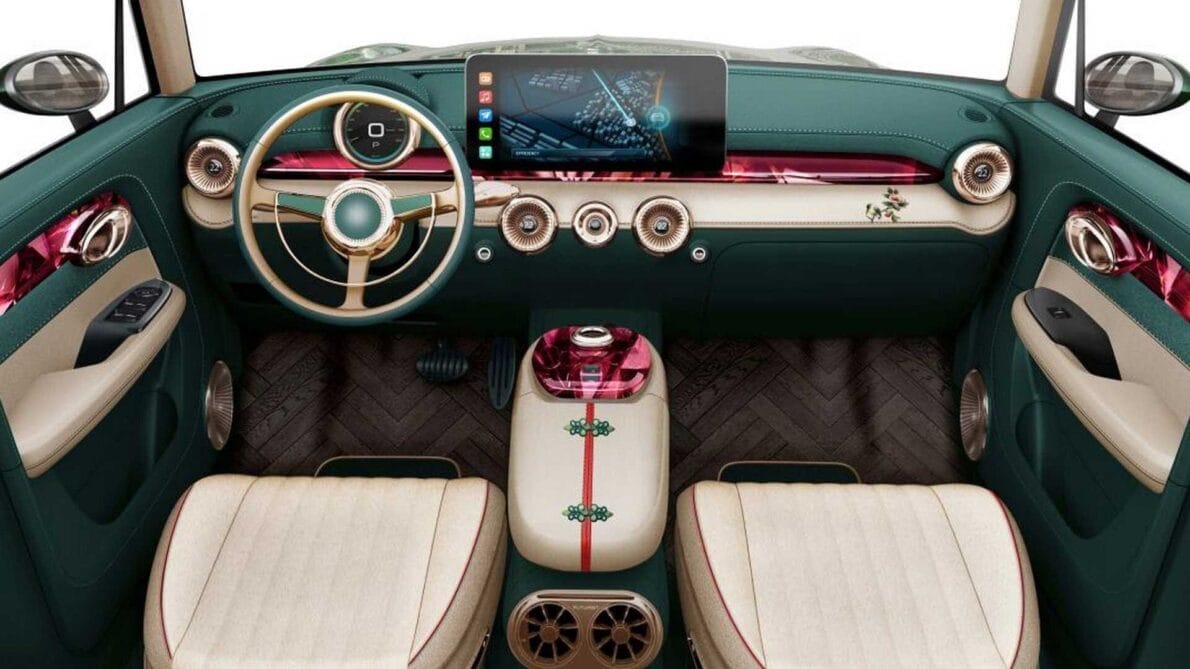
The technology in the ORA Ballet Cat contrasts radically with that of the model from six decades ago. While the old Volkswagen had cranks for opening and closing the windows and manual pins for locking the doors, the Chinese model incorporates the latest technological trends. Despite its retro style, which even includes a classic steering wheel with a metal rim, the cabin is equipped with a multimedia screen integrated into the instrument panel, as well as modern amenities like wireless phone charging and a panoramic sunroof.
Additionally, the vehicle includes rear air-conditioning vents, USB ports, synthetic leather upholstery on the seats (with electric adjustments for the driver), and speed control. Unveiled at the Shanghai Auto Show in China in 2021, initially under the name Punk Cat, the model even features a ring light in the interior mirror to attract female customers.
Source: motor1
Implications and Possible Changes
The case may still undergo new developments, as Volkswagen has filed a motion for clarification, which is pending judgment. This move could alter the current landscape, although the favorable decision for GWM indicates a possible shift in dynamics in the automotive market, especially in the electric vehicle segment.
The court’s decision not only impacts the operations of GWM and Volkswagen but also signals a greater opening for innovations in car design in Brazil. As the electric car market continues to expand, cases like this highlight the importance of balancing design protection and innovation. The saga between Volkswagen and GWM will undoubtedly continue to be a fascinating narrative to follow for automotive enthusiasts and legal experts.
Source: motor1, April 17, 2024