






 Portuguese
  Spanish


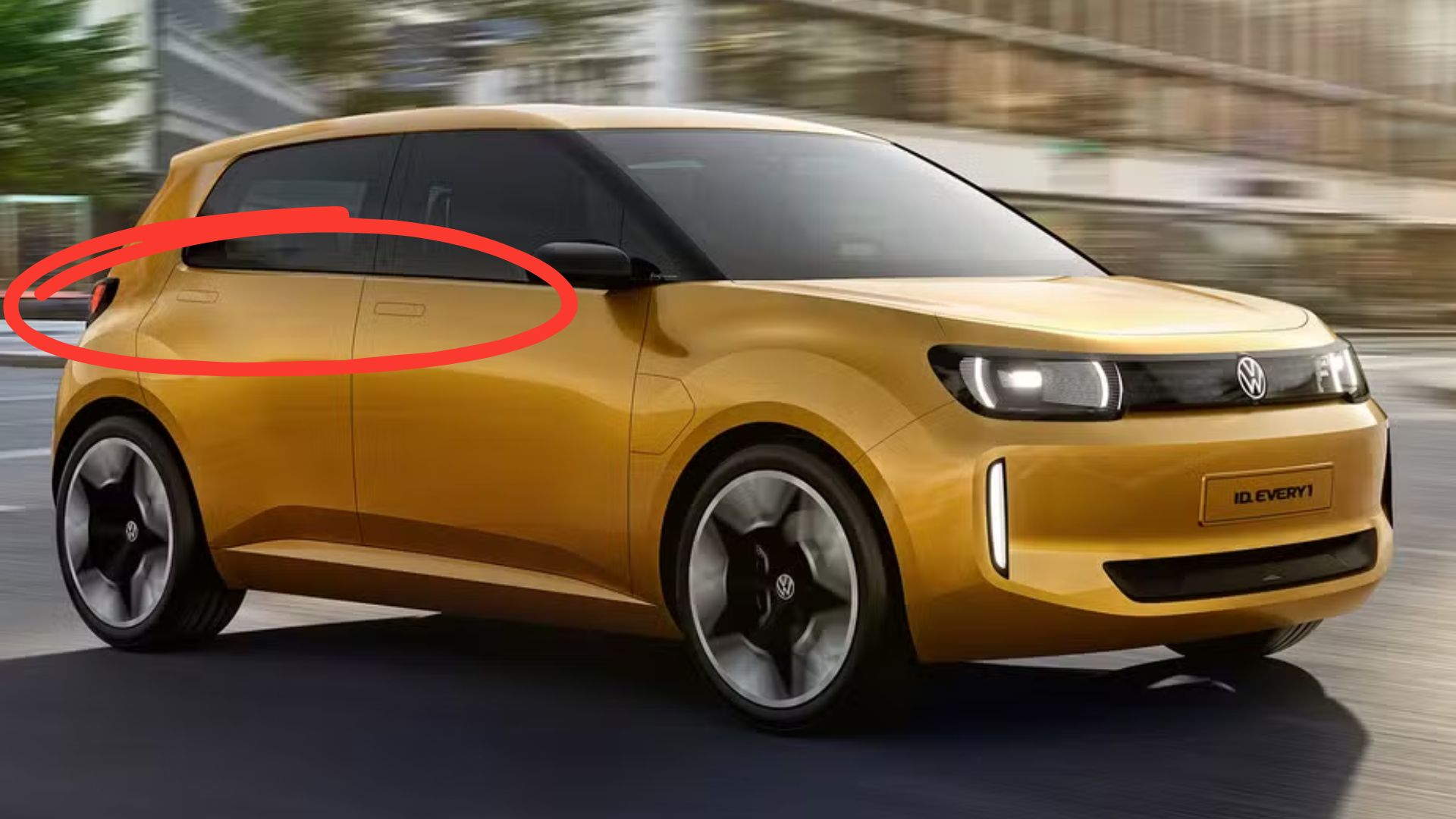


In Full Transition to Electric Vehicles, Volkswagen Recognizes Design Flaw, Abandons Retractable Door Handles, and Adopts More Practical Solutions to Win Over Traditional Consumers
Volkswagen is undergoing a strategic turnaround that could redefine the brand’s future. While preparing a new generation of fully electric models, such as the ID. Cross and a 100% electric version of the acclaimed Polo, the German automaker has decided to listen to consumers and reconsider design choices that did not resonate with the public. The movement starts with something seemingly simple, yet crucial for the user experience: the return of conventional door handles.
During the IAA Mobility in Munich, Volkswagen’s CEO, Thomas Schäfer, gave an interview to Deutsche Welle where he addressed sensitive points in the current automotive industry. Among these, he highlighted the rejection of retractable door handles, which have become common in various electric vehicles, but displeased a significant portion of customers.
CEO Admits Error in Door Handle Design
Schäfer directly stated that the implementation of embedded door handles was a design mistake. According to him, “people expect familiarity with the car they are buying. They choose the brand for ease of use.”
-
Sales of Brazil’s Cheapest Electric Car Halted Before First Deliveries: E-Motors Suspends Emova Easy Due to Import Tax Increase and Rising Freight Costs

-
Nissan Discontinues Qashqai SUV Amid Cost-Cutting, Chinese Competition, and Product Line Review

-
BYD Patents Revolutionary System Using Computer Vision to Detect Animals Under Cars Before Starting, Preventing Tragedies

-
Study Reveals Why Cars Are More Expensive to Produce and Buy in Brazil Compared to Mexico, Highlighting Taxes, Logistics, and Industrial Costs as Key Factors.


The executive emphasized that, although these solutions may seem modern and sleek, they are considered impractical in everyday use. Therefore, upcoming launches from Volkswagen will already abandon the idea in favor of traditional door handles, which ensure greater comfort and usability.
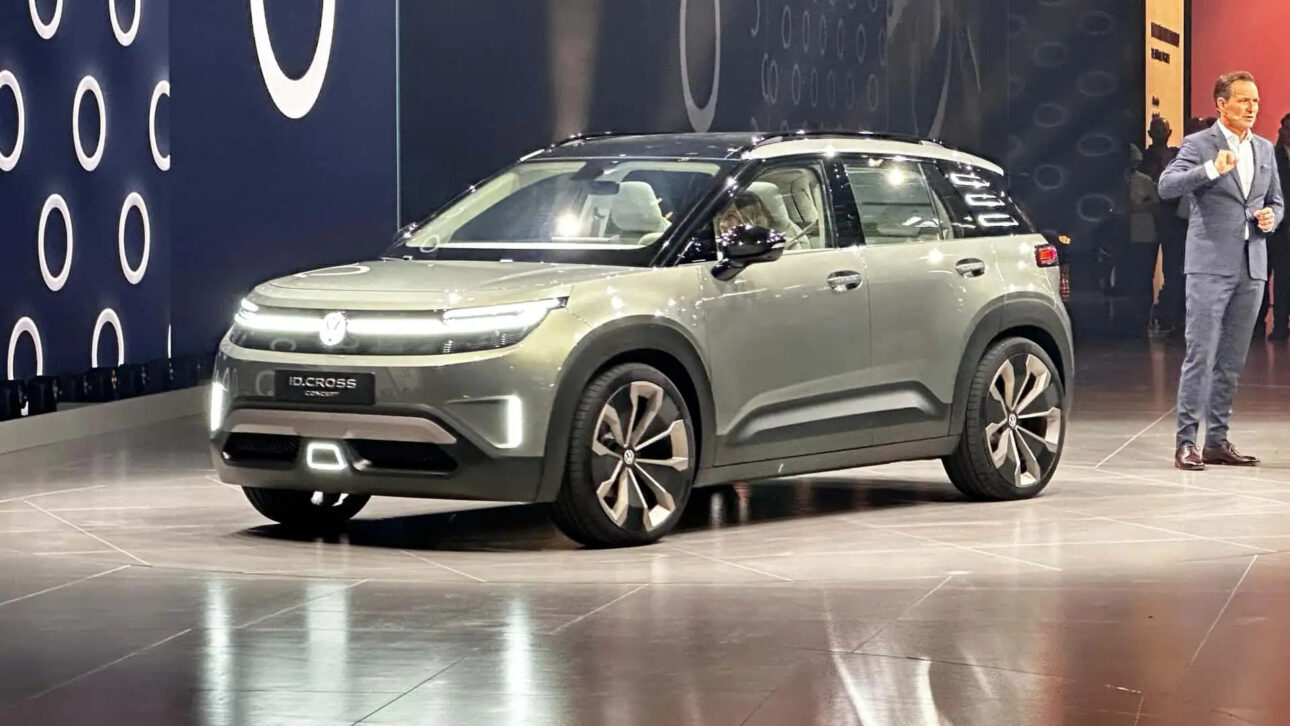
The ID. Every1, unveiled earlier this year, still kept the feature. However, the prototypes of the ID. Cross and ID. Polo, recently presented in Munich, signal a definitive change: the brand is betting again on conventional door handles, even if this may slightly impact the aerodynamics of the vehicles.
The Safety Issue and International Pressure
This repositioning of Volkswagen does not occur in isolation. In China, the largest automotive market in the world, authorities are studying a possible ban on retractable door handles after reports of failures in emergency situations. If this regulation is implemented, the effect could be global, forcing other manufacturers to reevaluate the use of this design trend that has spread in recent years.
According to information published by the portal noticiasautomotivas, the German automaker’s decision demonstrates a movement aligned with consumer demands and may anticipate future international standards.
Aerodynamics or Usability: Volkswagen’s Choice
Although the decision to abandon embedded door handles may generate some impact on the aerodynamics of the new electric vehicles, Volkswagen believes that the gain in usability in everyday life compensates for any minimal loss in efficiency. For the automaker, the priority is to deliver cars that combine technology and practicality, avoiding futuristic solutions that hinder the real experience of drivers.
This stance reflects a thought process increasingly prevalent in the industry: it is not enough to launch modern vehicles; it is essential to ensure that they are functional for the average consumer, who seeks comfort, safety, and familiarity.

Challenges of the Energy Transition by 2035
Another point highlighted by Thomas Schäfer was the European Union’s goal to end sales of combustion vehicles by 2035. While supporting the advancement of electric cars, the CEO raised concerns about the infrastructure needed to sustain this transition.
“The goal is clear,” he stated. “But the question is whether we can get there in time. Is the charging infrastructure growing fast enough? This 2035 deadline may need to be reassessed.”
This statement shows that, even with technological advancement, there are still logistical and structural obstacles to ensure the popularization of EVs on the continent.
Volkswagen’s New Philosophy to Win Over Consumers
With a more down-to-earth approach, Volkswagen seeks to avoid the mistakes of forced futurism. The brand is now betting on more accessible, functional, and reliable electrics, without sacrificing user experience for the sake of aesthetic trends.
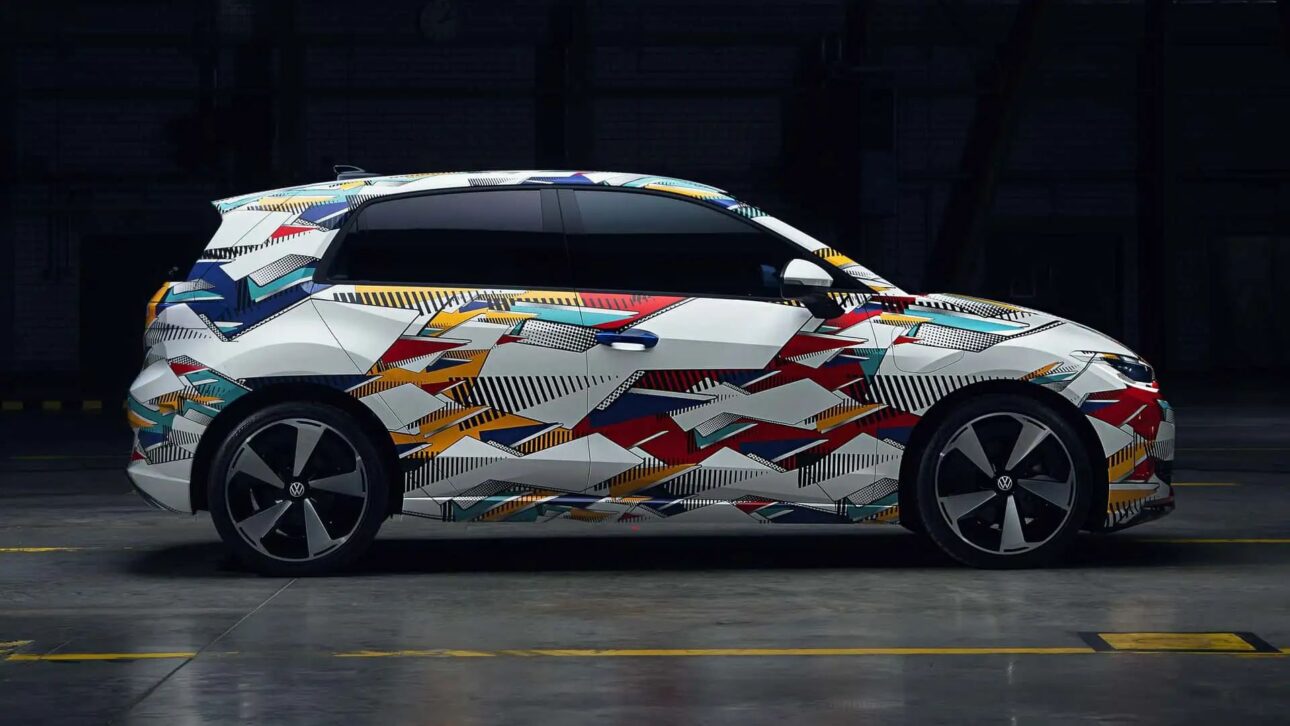
Models like the ID. Cross and the ID. Polo are examples of this new vision: modern design, but with features that respect the expectations of the traditional consumer. For Schäfer, this is the key to attracting drivers who are still hesitant to migrate to electrification.
By acknowledging mistakes and correcting course, Volkswagen reinforces its position as one of the most influential automakers in the world, capable of setting trends while listening to customers.






