






 Portuguese
  Spanish
  3 min of reading
  0 comments


While Facing Plummeting Profits, Layoffs, and Market Losses in China, Volkswagen Surprises by Selling More Currywursts Than Cars in 2024 — and Bets on an Electric Future
Volkswagen ended 2024 with a surprising fact even for automotive industry experts: it sold more sausages than cars.
The company, a symbol of the German industry, marketed 8.5 million units of its currywurst, surpassing the 5.2 million vehicles delivered worldwide. This number represents an increase of 200 thousand sausages compared to the previous year.
Currywurst: Volkswagen’s Secret Weapon
Created in 1973 to feed employees in the company’s canteens, Volkswagen’s currywurst has become a symbolic product. The sausage, served with spicy tomato sauce and accompanied by fries, is sold in supermarkets in 12 countries.
-
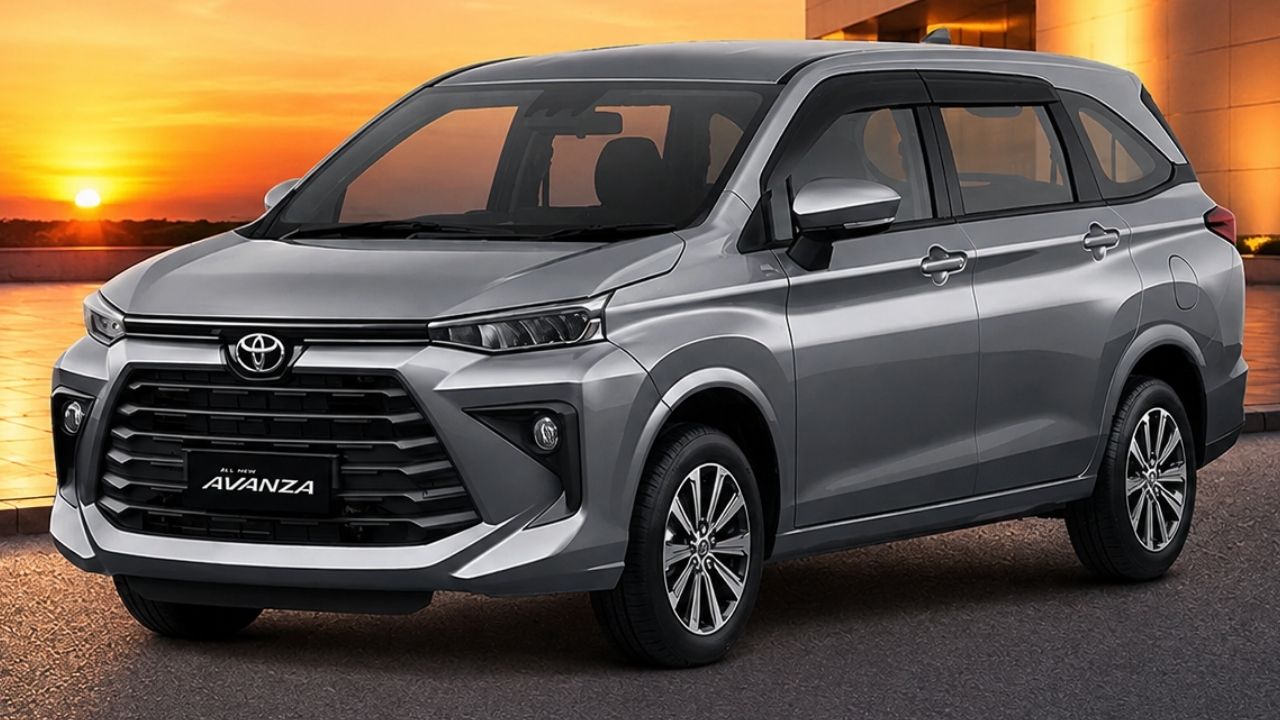
Toyota sells a “Family Spin” cheaper than the Chevrolet Spin in Brazil, with 7 seats and a price starting from around R$ 70,000 in tax-free conversion; Avanza 2026 has a 1.3 or 1.5 engine, manual or CVT transmission, 205 mm ground clearance, and a family proposal that Brazilians don’t have in Indonesia.

-
Five used cars that can handle 100 km per day without breaking the bank, but experts warn that even the most durable ones may hide expensive repairs if they’ve gone years without proper maintenance.

-
Dodge Charger Daytona receives solid-state battery in real test and reignites the race for lighter electric cars, faster to charge and with more range.

-
Hyundai Staria Hybrid arrives as a “premium Kombi” hybrid with 7 or 9 seats, 1.6 turbo engine, 54 kW electric motor, spacious cabin, Relaxation seats, and a work van version with 3 or 6 seats in Europe.


Additionally, it can be found in the 30 company canteens, at internal kiosks, and in stores near the factories.
The product’s importance is so great that it even has an official part number in the brand’s catalog: 199.398.500 A. According to Gunnar Kilian, the group’s HR director, the currywurst has become “much more than a simple snack; it is an icon.”
Controversy on the Menu
The company’s relationship with the sausage is so strong that its attempt to remove it from the menu in 2021 led to protests. The substitution for vegetarian options in the canteen at headquarters in Wolfsburg was poorly received.
Among the critics was former German Chancellor Gerhard Schröder, who defended the dish as “an energy bar for production workers.”
In 2023, after the negative backlash, Volkswagen backtracked and reintroduced the currywurst in its units. Since then, sales have increased even further.
Profit Decline and Structural Crisis
Despite the unexpected success of the currywurst, the automaker’s financial situation is concerning. The company’s net profit fell by 30.4% in 2024. Revenue saw a slight increase of 0.7%, but it was not enough to offset the losses, particularly in the Chinese market.
China, the primary destination for Volkswagen vehicles, recorded the lowest level of deliveries from the brand in over a decade. Meanwhile, Chinese competitors, like BYD, advanced with cheaper electric models, dethroning VW as the sales leader in the country.
Threatened Factories and Mass Layoffs
Under economic pressure, Volkswagen came close to closing factories in Germany for the first time. Although it managed to avoid shutdowns, it announced layoffs of 35,000 employees in the coming years.
The company also temporarily suspended its workplace safety program, which guaranteed stability until 2029.
Only after negotiations with unions in December was the program extended until 2030. Nevertheless, the atmosphere among workers remains uncertain.
External Challenges and American Tariffs
In addition to internal problems, Volkswagen faces external pressures. U.S. President Donald Trump threatened to impose tariffs on the import of cars from Europe and Mexico. The automaker has factories in these countries that supply the American market.
The situation is further exacerbated by geopolitical uncertainties and increased trade restrictions, factors that complicate the company’s recovery plans.
Hope in the Electric Car
Despite the difficulties, the automaker bets on electrification as a path to recovery. By 2025, it expects growth of more than 5% in revenue. The company also revealed plans to launch its most affordable electric car by 2027.
The model, named ID. Every1, is expected to cost around 20,000 euros (R$ 128.6 thousand) and will target the audience seeking lower-priced electric vehicles. The goal is to compete with Chinese rivals and regain market share globally.
The contrast between the success of the currywurst and the problems faced by Volkswagen illustrates the current challenges of the automotive industry.
The company, once a symbol of strength and innovation, now leans on its traditional sausage while trying to reinvent its presence in the sector. The mission to return to the top is underway, but the road is long and filled with obstacles.
With information from Xataka.







Be the first to react!