





 Portuguese
  English
  Spanish
  3 min of reading
  0 comments


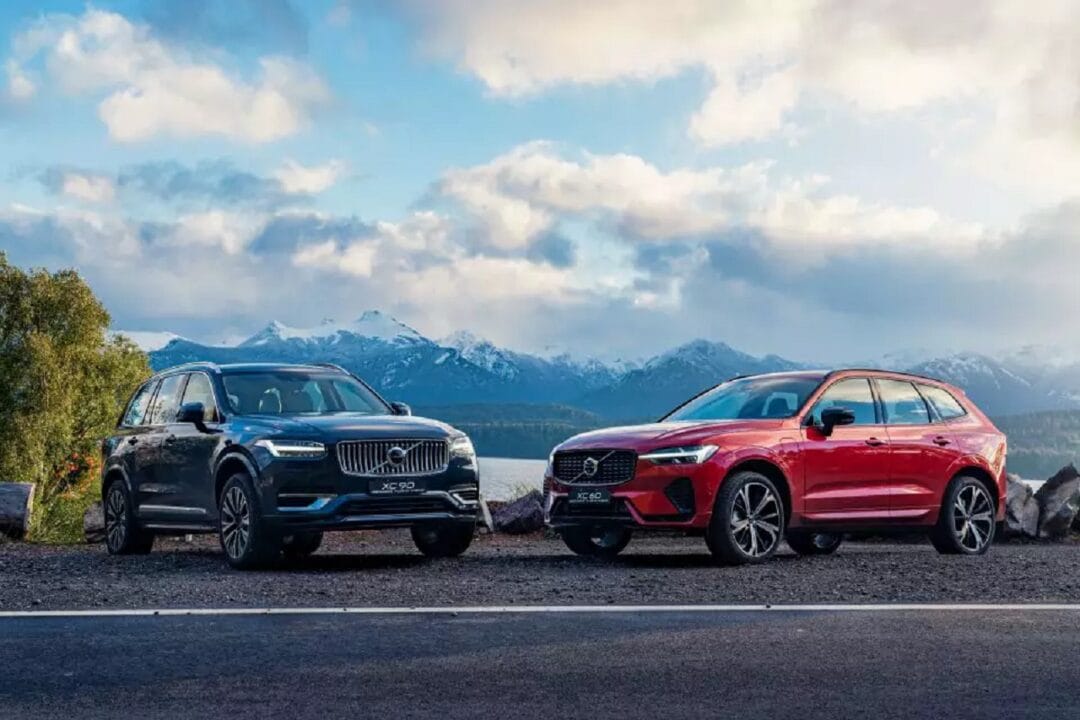
Volvo Challenges Chinese Competition With Price Cuts On Electric SUVs To Compete With BYD’s Rise In The Market.
Volvo is accelerating its strategy to remain competitive against BYD’s growth in the electric vehicle sector, introducing more affordable versions of its popular electric SUVs, the C40 and XC40. In a bold move following the launch of the innovative EX30, which is already available for sale despite an anticipated delivery wait, Volvo has already begun pre-sales of its 2024 lineup for the XC40 and C40 models, signaling its commitment to meeting the demand for more accessible electric vehicles.
Discover Volvo’s Electric SUVs


The Volvo XC40 Recharge Plus (new version) lost one of its motors; however, the new powertrain delivers 238 horsepower and 42 kgfm of torque. The 69 kWh battery is capable of running up to 460 km on the WLTP cycle.
According to the manufacturer, the previous version delivered slightly less, about 423 km of range. In addition, the charging time from 10% to 80% at 150 kW charging stations is now 34 minutes, down from 40 minutes on the 2023 model. The price of this model is R$ 299,950.
-
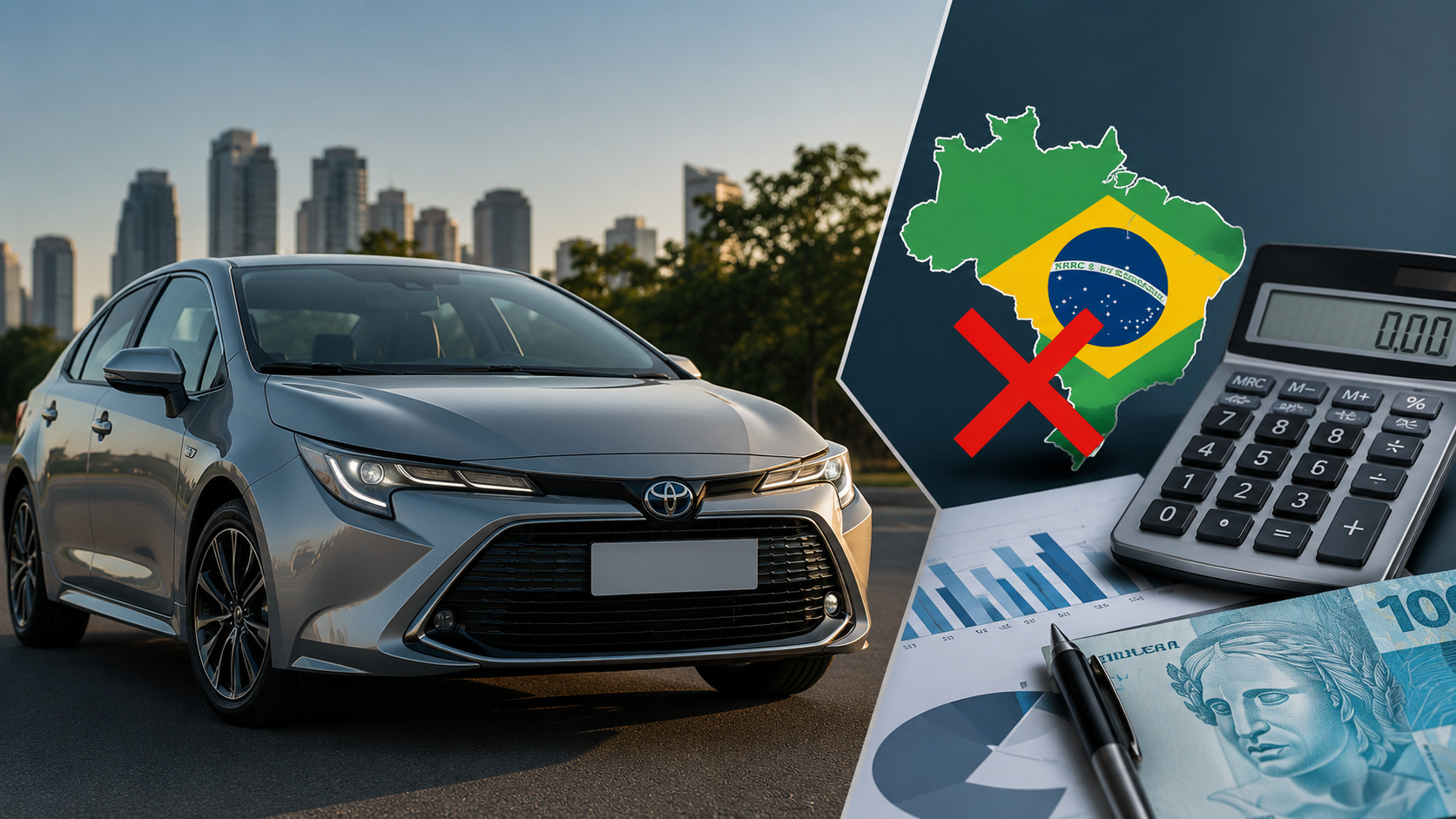
How much would a Toyota Corolla cost without tax in Brazil? A mid-size sedan priced at R$ 171,000 could drop to around R$ 96,000, showing how much the tax burden weighs on the most desired car of the Brazilian middle class.

-
An executive says that gasoline is stuck with technology over 100 years old, while electric cars already occupy the present and aim at the future of the automobile.
-
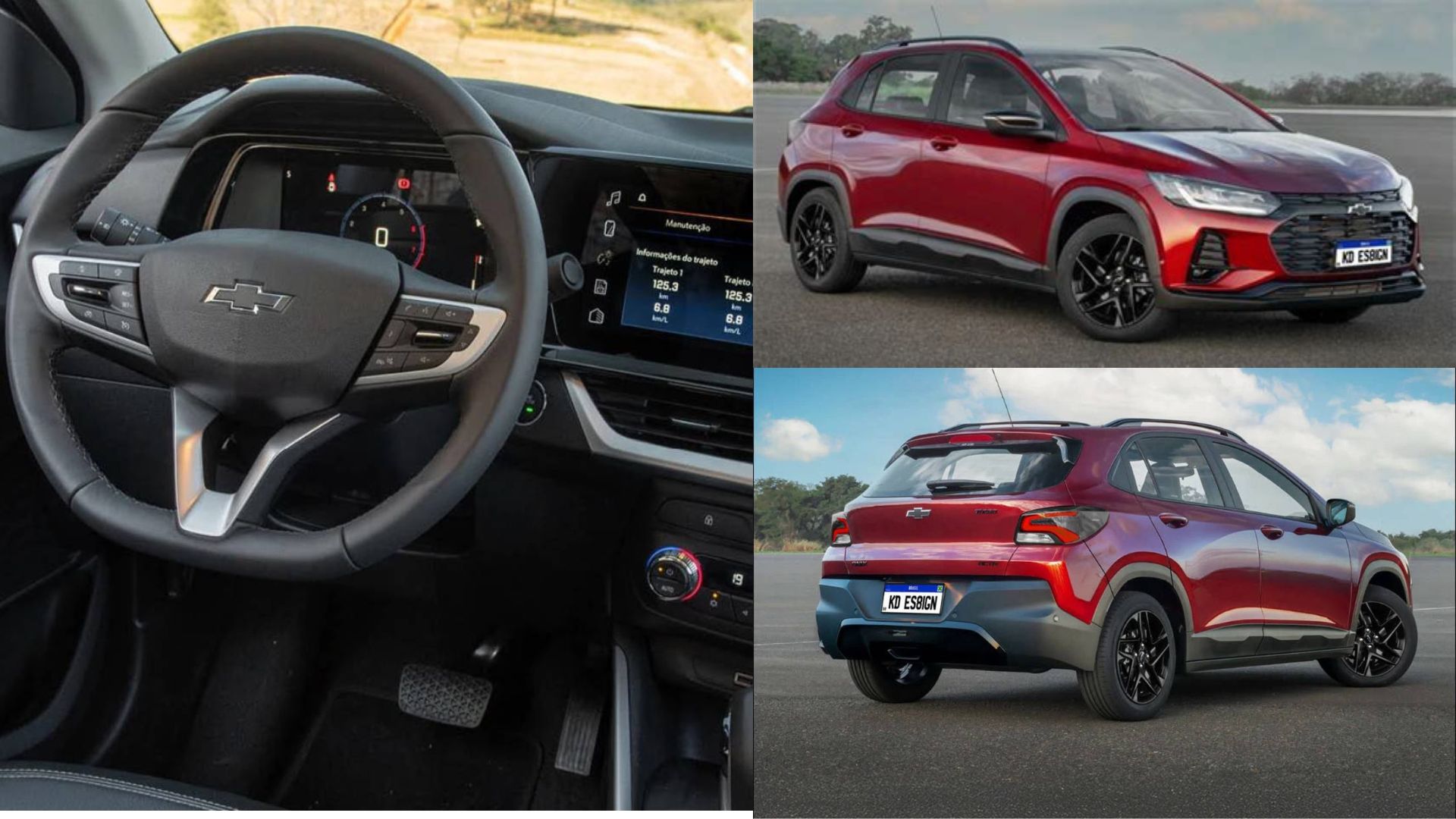
Chevrolet Onix Activ 2027 with a 1.0 turbo engine of 115 hp, fuel efficiency of up to 15.3 km/l, and 20.1 cm of ground clearance debuts for R$ 116,000 after 7 years, featuring an adventurous look and a 15-year warranty on the oil-bathed belt.

-
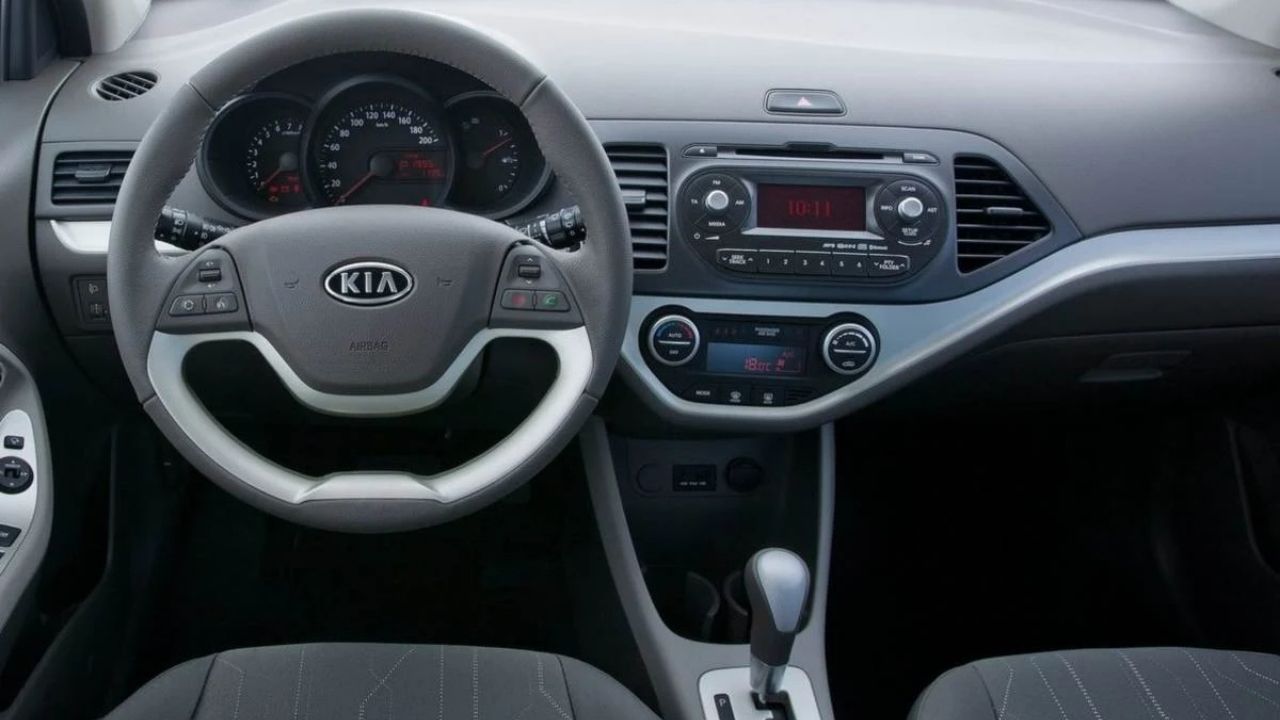
Small, automatic, and reliable car for around R$ 50,000: Kia Picanto combines economy, structural safety, good internal quality, and durable mechanics, but tests show that it makes sense mainly for urban use and not for those who frequently drive on highways.


The C40 also arrives with a more affordable option. Previously, the electric coupe SUV was only sold with a more powerful option, with motors delivering an incredible combined 408 horsepower. The Recharge Plus version, which arrives to compete with BYD’s electric cars, only has a single rear motor; however, it is still capable of generating 238 horsepower.
The Volvo model also features a good 69 kWh battery that, according to the brand, provides a range of 475 km on the WLTP cycle. According to Inmetro, this range is 385 km, 90 km less. Its price is R$ 315,950.
Volvo Loses Market To BYD’s Electric Cars
To contextualize the competition in the electric vehicle market, it is worth noting that despite advancements, Volvo’s electric cars still present a higher cost compared to the leading models from BYD. The BYD Song Plus, which has a starting price of R$ 229,800, stands out for its robust engine and extended range.
BYD has shown remarkable performance in the Brazilian market, even without starting local production of its electric vehicles. In October, the brand managed to register 2,732 vehicles in Brazil, with 1,632 of them being fully electric (BEVs).
Meanwhile, Volvo, which occupies the second position in the electric vehicle registration ranking, reported sales of 234 units. The Dolphin model, an electric hatchback from BYD, alone achieved 1,366 registered units, according to data provided by the company. With projections indicating a year-end total of 15,000 electric vehicles registered, Volvo faces the challenge of significantly expanding its strategy beyond launching more affordable versions of its electric SUVs if it wishes to effectively compete with BYD’s growing presence in the market.
VOLVO EX30 Compact And Fully Electric SUV
In 2024, consumers will have the opportunity to purchase the Volvo EX30, a compact electric SUV manufactured in China that promises to disrupt the traditional electric vehicle market. The model will arrive in the country with two battery variations, catering to various buyer demands. The more affordable version, called E40, has a starting price of R$ 219,950 and is equipped with a lithium iron phosphate (LFP) battery of 51 kWh.
This battery powers a rear electric motor capable of generating 276 horsepower. The declared range is 350 km on the WLTP cycle, although it is expected to be slightly lower when evaluated by the Brazilian Vehicle Labeling Program (PBEV). For those seeking greater range, the model offers the E60 option, equipped with a 69 kWh battery, delivering a range of 480 km.




Be the first to react!