Portuguese
  Spanish


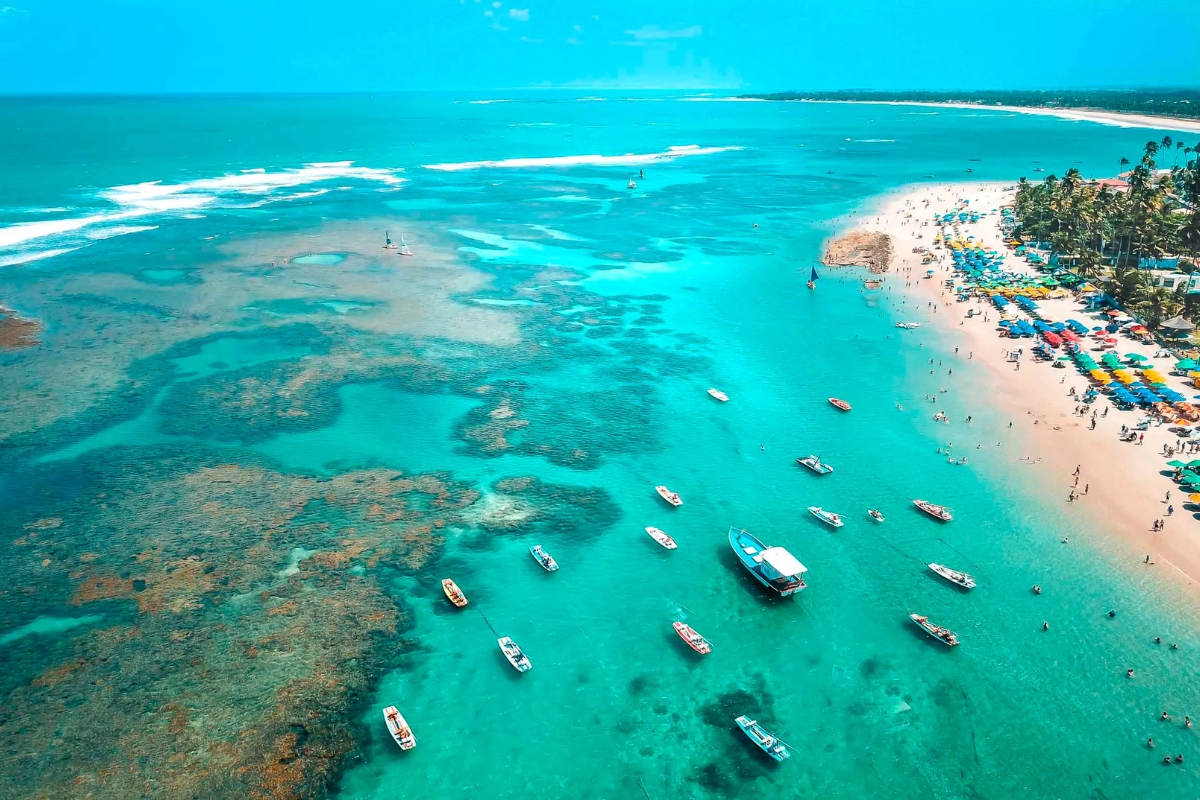

One of the most awarded beaches in the country mixes breathtaking beauty, transparent waters, and an uncomfortable past that transforms enchantment into immediate curiosity on the coast of Pernambuco.
Not every place that looks like a postcard scene was born surrounded by lightness. On the southern coast of Pernambuco, an old fishing village has become one of the most coveted destinations in the country because of the natural pools, the clear sea, and the landscape among reefs. But the name that today attracts tourists carries a historical mark that changes the perception of this paradise at first glance.
Porto de Galinhas, in Ipojuca, is about 60 km from Recife and has been voted 10 times the best beach in Brazil, a fame that relies on the rare combination of warm water, colorful fish, and reefs that turn low tide into a spectacle. It is precisely this contrast between breathtaking beauty and an uncomfortable past that captivates the attention of those who arrive and those who read.
The name seems light, but it came from one of the country’s hardest chapters
Before being known as Porto de Galinhas, the region was called Porto Rico, in reference to the abundance of brazilwood. The change came in the 19th century, after the prohibition of the slave trade, when enslaved people began to be clandestinely disembarked at points outside the more visible route from Recife.
-
Volcanic Soils from Destructive Eruptions Turn into Million-Dollar Crops: Ashes Nourish Grapes in Lanzarote, Bananas in the Canary Islands, Blood Oranges on Mount Etna, and Cacti in Mexico, Showcasing How Lava-Formed Lands Sustain Rare Harvests in Seemingly Barren Regions

-
In the Caucasus Mountains, a Community Preserves a Language So Rare Few Outsiders Can Understand It

-
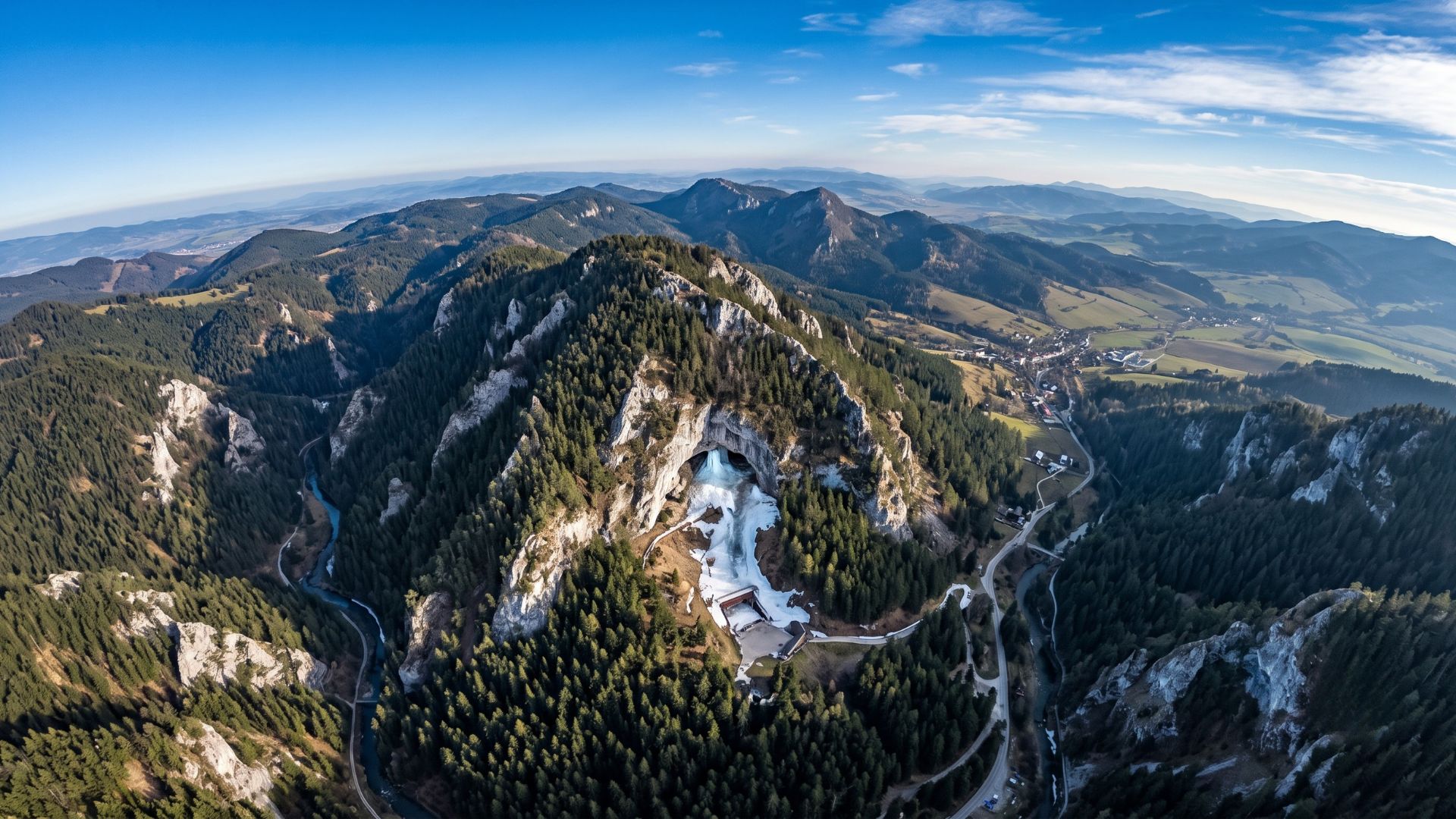
Slovakia’s Ice Cave Holds Over 110,000 m³ of Frozen Wonders, Boasts Walls Up to 27 Meters Thick, and Was Among the First Electrified Caves Globally

-
Street Cleaner Accidentally Receives $200,000 Transfer, Returns Unexpected Fortune to Rightful Owner
It was in this context that the expression “there’s new chicken at the port” began to function as a code to announce the arrival of Africans hidden under crates of guinea fowl. What today sounds touristy actually originated from a painful memory that still surrounds the identity of the place.
The sea recedes and reveals what made the village a national obsession

The strength of Porto de Galinhas is not just in the intriguing name. The great impact comes when the low tide exposes reefs close to the shore and forms shallow pools of crystal-clear water, where fish appear just a few centimeters from the surface, turning the bath into an unforgettable image.
This is the kind of scenery that helped consolidate the beach as one of the most famous in Brazil. The tour is usually done on jangadas, and the best moment depends directly on the tide table, because it is the sea level that decides when the postcard truly appears.
Paradise goes beyond the pools and spreads attractions through various parts of the coast
Those who arrive thinking only of the natural pools find a much larger itinerary. The region connects to stretches of sand known as Muro Alto, Cupe, and Maracaípe, each with a different profile, from calmer seas to areas sought after by those looking for more movement in the water.
In the center of the village, the atmosphere changes again. Shops, handicrafts, restaurants, and the famous colorful chicken sculptures help give a unique face to the destination, while the surroundings reinforce the feeling that Porto de Galinhas did not become a phenomenon by chance.
Access is simple, but the best view requires the right moment


The most common route starts from the Recife International Airport, from where the journey to the village takes about one hour by car. The proximity to the capital of Pernambuco helps explain why the destination remains so strong in national and international tourism.
The water maintains a pleasant temperature throughout the year, but the most desired image depends on a decisive detail. Without low tide, visitors may find beauty, but they do not see the scenery that transformed Porto de Galinhas into a showcase of the Brazilian coastline.
What captures the eye is not just the beauty, but the contradiction
Porto de Galinhas delivers what the beach imagination promises in excess: clear sea, reefs, rafts, and a view that seems set up to go viral. However, behind the perfect appearance, there is a name that was born from a cruel mechanism in Brazil’s history and continues to spark curiosity precisely because of that.
It is this mix of natural paradise with dark origins that keeps the village so magnetic. If this piece of Pernambuco has entered your radar, share this article and let us know in the comments if you would visit the most famous beach in Brazil even knowing the weight hidden behind the name.