






 Portuguese
  Spanish
 3 min of reading


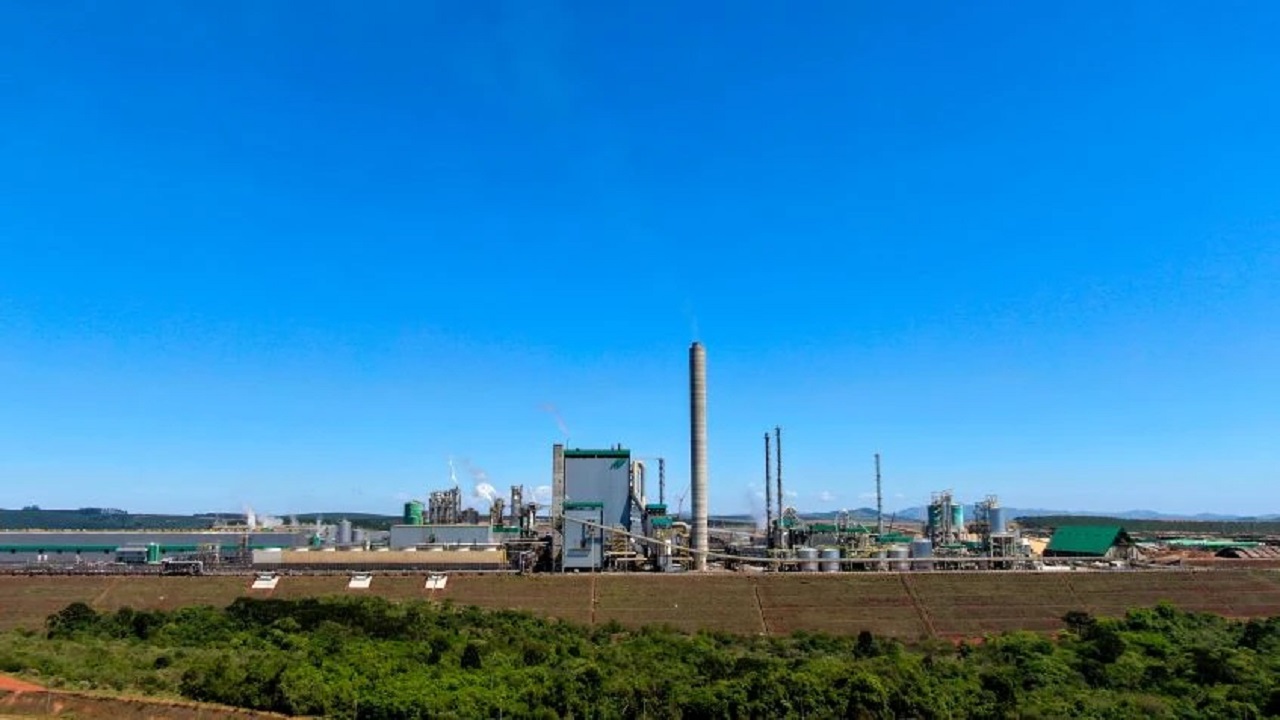
Klabin Received Million-Dollar Investments for Expansion and Electrification of Its Factory in Paraná, and To That End, It Counted on the Help of Its Partner WEG to Place More Than 910 Thousand Tons of Paper Per Year on the Market
Klabin, one of the largest producers and exporters of paper for packaging and paper packaging in the country, has begun a new cycle of investments with its Project Puma II, which will be installed in Paraná and will bring around 910 thousand tons of paper to the market each year. For this major expansion, it sought suppliers with experience in the paper and pulp sector, with reliable and highly efficient solutions, and this is where WEG comes in.
Learn More About the Partnership Between the Two Companies
WEG, a long-time partner of Klabin, was selected to be part of the investment and provide a significant portion of the electrical package for the two phases of the project, including a medium-voltage cubicle, a low-voltage motor control center, an electrocenter, medium and low-voltage frequency inverters, low and medium-voltage motors, armored busbars, medium-voltage transformers, and transformers for turbogenerator 3.
In total, about 3,500 items were produced by WEG according to the technical requirements demanded by the Klabin, ensuring great performance, increased productivity, and energy efficiency.
-
Man builds house with concrete made from recycled paper and attracts attention in Portugal; named Porta do Caracol, the home features solar panels, a vertical garden, and a pool with natural filters.

-
Goodbye to conventional plaster? New material used on walls reduces waste and steps in construction and draws the attention of engineers by offering faster application and greater construction efficiency – discover the advantages of smooth gypsum.

-
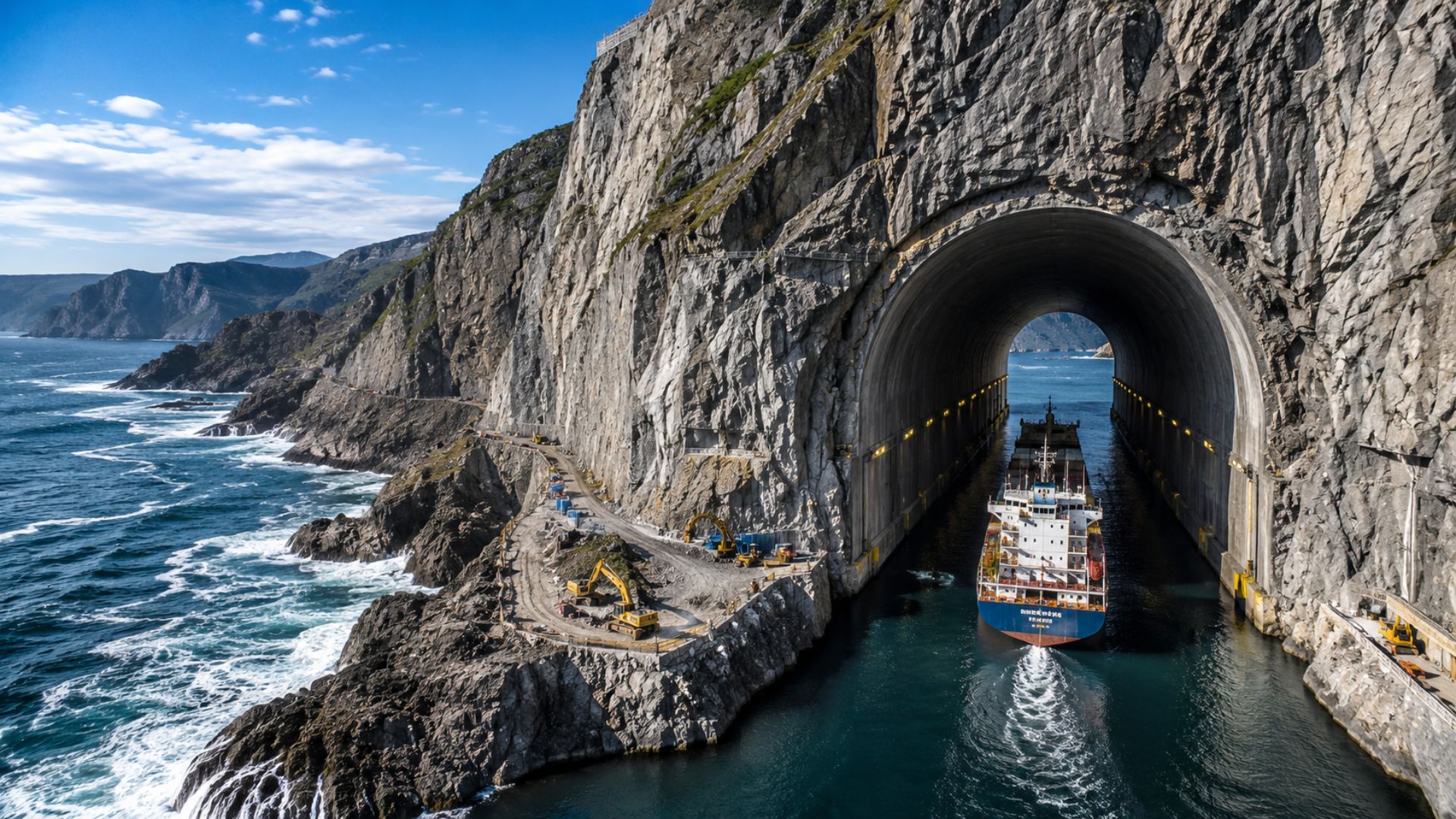
Norway will excavate 3 million cubic meters of rock to open a 1,700-meter maritime tunnel, where ships will pass through a mountain in 10 minutes, escaping a stretch that has killed more than 30 people since 1900.

-
How much does it cost to build a sidewalk with interlocking pavement in 2026? See the average construction prices and the most common extra expenses that can increase the final budget.

The motors supplied for large applications in Paraná were from the MGF and W60 lines, in addition to the W22 and W50 Well motors. By choosing motors from these lines for the investment, the client will ensure a longer lifespan for the equipment and lower costs for replacement and maintenance of the machines.
WEG Contributes Cutting-Edge Technology and Efficient Motors for Project Puma II in Paraná
To replace the brick electrical room, a modular electrical room and an electrocenter were used, installed at the Effluent Treatment Station (ETE), which, in addition to the advantage and optimization of installation time, can also be fully tested and pre-commissioned at the factory before energization.
Additionally, 39 dry transformers were installed in the electrical rooms distributed throughout the factory in Paraná, which are responsible for powering the process lines. Furthermore, Klabin also purchased a step-up transformer to expand the power supply network.
WEG also provided low and medium-voltage frequency inverters and medium voltage switching and control sets, generating greater versatility and flexibility for the application, as well as armored busbars for the distribution of electrical energy in the low-voltage motor control centers.
Over the past five years, since the supply of the electrical package for the Puma Unit in Paraná, WEG’s solutions, alongside 24-hour technical support, have generated greater operational safety, continuous productivity, and efficiency in Klabin’s investment in Ortigueira, Paraná.
About Project Puma II
Project Puma II is a continuation of the Puma Unit, located in Ortigueira. The first paper machine, called MP27, began operating in August of last year and has a capacity to produce 450 thousand tons of Eukaliner per year.
This is the world’s first kraftliner paper made entirely from eucalyptus fibers. The MP28 is already under construction and is expected to start its activities next year, focusing on the production of paperboard.
The new machine will have a production capacity of 460 thousand tons per year and will transform Klabin into a global producer of cartons for liquid foods and industrialized products, multipack packaging cardboard, and also for the Food Service segment, which has been expanding in recent years, continuing the company’s ongoing plans for innovation, expansion, and growth.







Be the first to react!