Portuguese
  Spanish


With averages above the minimum wage, McDonald’s, Burger King, and Bob’s kitchens show how much they pay in 2026, what benefits weigh on compensation, and how experience can lead to earnings of up to R$ 2,450
The average fast food salary for those working in McDonald’s, Burger King, and Bob’s kitchens is around R$ 1,854 in 2026, with a ceiling of R$ 2,450 in large centers.
How much do they earn? Fast food salary exceeds the national minimum
The fast food sector consolidated in 2026 as the largest employer of young people in Brazil, already under the new minimum wage of R$ 1,621.00.
The McDonald’s, Burger King, and Bob’s chains adjusted their tables to the new guidelines of the Ministry of Labor and Employment, with attention to retaining operational talent.
-
Eco Invest Auction Aims to Unlock $10 Billion in Investments, Focusing on Green Fertilizers, Critical Minerals, Batteries, and AI for Clean Industry in Brazil

-
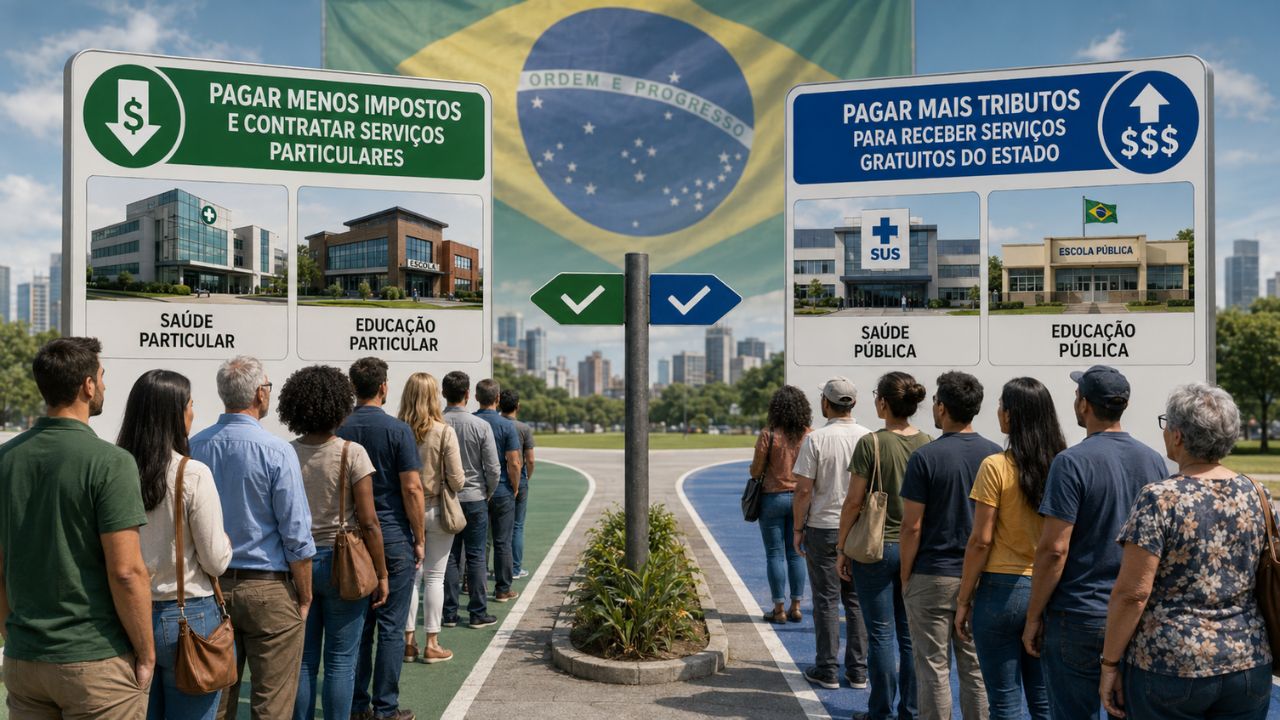
Half of Brazilians Prefer Lower Taxes with Private Health and Education, While 44% Opt for Higher Taxes for State-Provided Services, Datafolha Survey Reveals

-
Brazil’s Most Expensive Toll Rises to R$ 40.60 on Route from São Paulo to the Coast, Nearly Matching Bus Fare to Santos

-
As Brazil Expands Social Welfare, Survey Reveals 40% Blame Poverty on Laziness, While 58% Cite Lack of Opportunities




The kitchen position generally appears as “Kitchen Attendant” or “Assistant”. The role involves preparation, assembly, agility in routine, and compliance with strict sanitary standards.
Averages in the main chains
Among the three chains, the average salary is R$ 1,854.00. At McDonald’s, the average value for beginners is R$ 1,930.00, which may change according to night shift differential.
At Burger King, earnings are in the range of R$ 1,825.00. Bob’s maintains an average of R$ 1,808.00 for positions related to kitchen and operational service.
These values are based on data from platforms such as Salario.com.br and Glassdoor, which gather real information from employees and help show the remuneration practiced in the sector.
Conventions explain differences
The variation in fast food salary also depends on the cost of living in each region and the agreements made between companies and class entities.
Specific collective conventions, such as those of Sindifast, help keep the category’s floor above the national minimum and track inflation for the period.
This structure means that payment is not uniform across the country. The same position can have different earnings depending on the city, shift, experience, and applied collective rules.
How much does a fast food kitchen worker earn? Benefits increase total compensation
In addition to the base salary, the total compensation package is strengthened by benefits, attendance bonuses, and the possibility of rapid growth within the chains.
Human resources sector sources indicate that benefits such as health plans increase the attractiveness of vacancies, especially for those seeking stability in their first job.
Arcos Dorados recently announced an investment of U$ 325 million in expansion and modernization, a move that increases the demand for kitchen leaders.
Experience can increase earnings
In large centers, where competition for labor is greater, professionals with experience on the griddle or in ingredient preparation can achieve higher gross remuneration.
CAGED records indicate a ceiling of R$ 2,450.00 for these workers. This level marks the difference between entry-level positions and more specialized roles behind the scenes of direct public food service.