Portuguese
  Spanish


In Porto Alegre, former partners of XP left the financial market for sustainable footwear and created Yuool, a sneaker made from recycled and traceable PET bottles. The business became the 1st B Corporation in the sector in Brazil and has already earned R$ 75 million in seven years, exporting to Europe and the United States.
In Rio Grande do Sul, a group of former financial market executives proved that it is possible to turn plastic bottles into a desired sneaker. Yuool, from Porto Alegre, manufactures sneakers from recycled PET bottles and became the first B Corporation in the footwear sector in the country, as shown by Times Brasil. The case combines sustainability and profit in the same brand.
Leading the company is Eduardo Abichequer, one of the partners who left the brokerage XP to venture into the field, as outlined in the brand’s profile by Exame. Nicknamed the “faria limers” brand, Yuool has already earned R$ 75 million over seven years and now exports to Europe and the United States.
The difference lies in the material. According to Yuool, the upper of the sneaker made from PET bottles is made with 50% recycled and traceable plastic, combined with organic cotton. Even the shoe boxes are produced with reused material, reinforcing the sustainable proposal.
-
Man Who Spent 27 Years Cleaning Classrooms in Louisiana Becomes Principal of the Same School at 39

-
Discarded Firefighter Uniforms Repurposed into Fire-Resistant Fabric by Spanish Company
-
Brazilian Designers Turn Urban Waste into Vegan Fashion, Diverting Nearly 1 Ton of Waste and Earning $2.2 Million in 2024
-
Farmer Discovers Rare Roman Mosaic in England, Unveiling Scenes from the Trojan War and Transforming British Archaeology After Decades of Mystery




Next, see how Yuool transforms PET bottles into sneakers, why it became the first B Corporation in footwear in Brazil, what the accumulated R$ 75 million means, and why this story from Rio Grande do Sul serves as an example for the country.
Who is Yuool and the former XP partners behind the brand
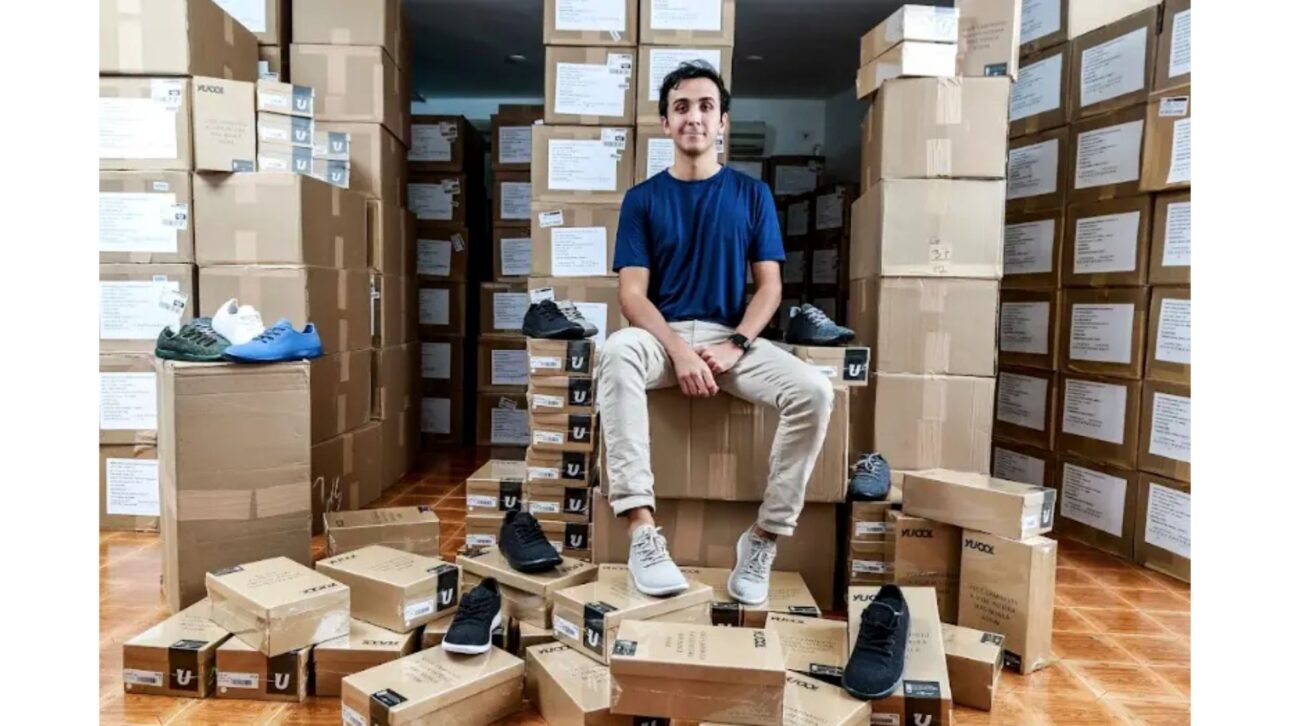
The story begins far from shoe factories. Before Yuool, its founders worked in the financial market, including a stint at the brokerage XP, where they were accustomed to spreadsheets and investments, not sandpapers and soles. That’s where the turning point came from.
The group leader is Eduardo Abichequer, currently the company’s president. Alongside other partners from the same field, he invested in combining technology, comfort, and sustainability in a consumer product, setting up the operation in Rio Grande do Sul.
The choice of Porto Alegre gave the brand a Gaucho identity. Even with the Southeast concentrating the large consumer market, Yuool grew from the South, showing that it’s possible to build a national sneaker brand far from the traditional industry hubs.
The business model is also unconventional. Yuool was born as a digital brand, selling directly to consumers via the internet, which provides more control over price, stock, and customer relations than traditional retail usually allows.
This format, called a digital native brand, has grown significantly in recent years. Companies like this are born on the internet, speak directly to the public, and use data to decide what to produce. Yuool brought this logic to the sneaker world, still little explored by such brands in Brazil.
The sneaker made from recycled and traceable PET bottles
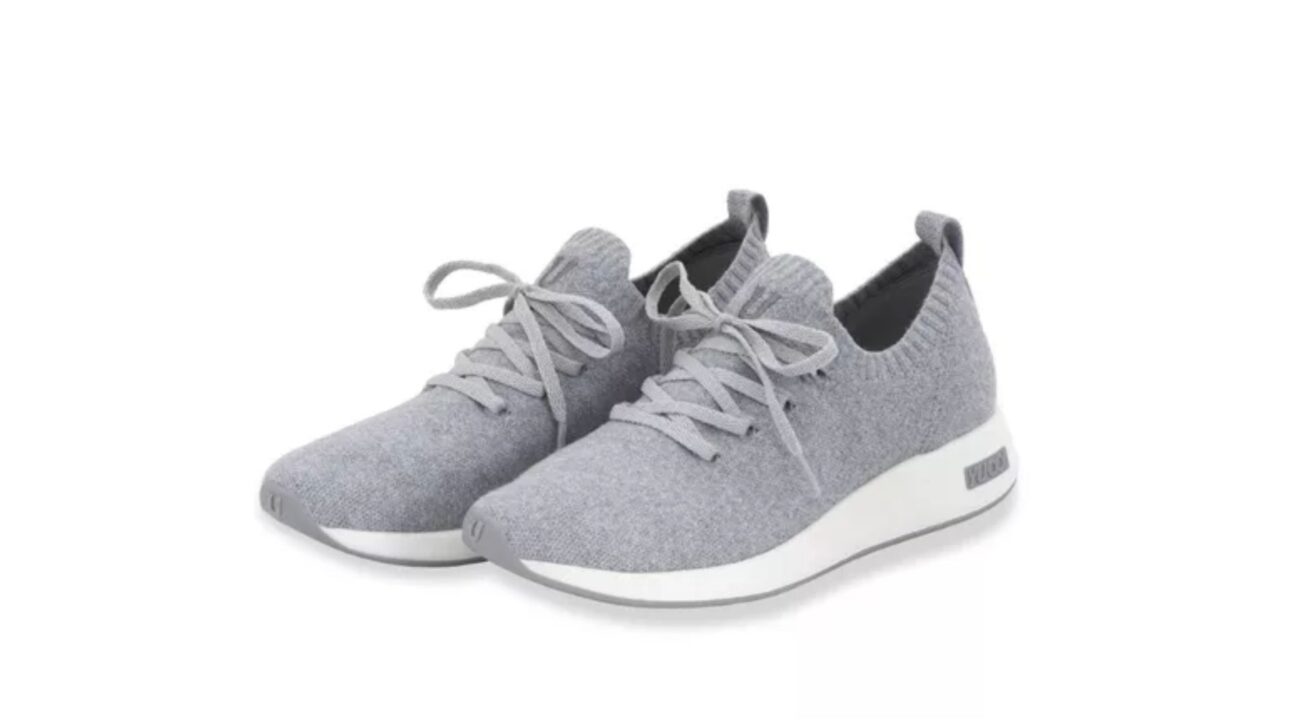
The heart of the proposal is the upper material. According to Yuool, the upper part of the PET bottle sneaker uses 50% recycled plastic, meaning discarded bottles are turned into yarn and then the fabric that wraps the foot.
The big idea is traceability. It’s not enough to say it uses recycled plastic: the brand claims the PET is traceable, meaning it’s possible to know the origin of the material used in each piece. This combats the common skepticism towards products claiming to be green.
Organic cotton completes the formula. Along with recycled PET, it forms an upper that aims to combine comfort and lower environmental impact, without relying solely on new materials taken directly from nature. It’s the logic of reusing instead of extracting.
The care extends to the packaging. The shoe boxes are also made from reused material, a detail that shows how Yuool’s sustainable approach tries to embrace the entire product, not just the most visible part of the PET bottle sneaker.
The process behind this is ingenious. The PET bottles are cleaned, shredded, and transformed into polyester yarns, which are then woven to form the upper fabric. Thus, what was discarded packaging becomes textile raw material for a sustainable shoe.
Why PET Traceability Matters
Tracking the material is rarer than it seems. Many brands claim to use recycled plastic, but few can prove where it came from. By betting on a traceable PET bottle sneaker, Yuool tries to turn transparency into a market differentiator.
This control has concrete value. Knowing the origin of the PET helps ensure that the material is indeed recycled, and not new plastic in disguise, as well as allowing measurement of how much bottle waste is avoided with each batch of sneakers produced by the brand.
For the consumer, this changes the trust relationship. Those who buy a sustainable product want to be sure they are paying for something real, and traceability acts as a kind of guarantee against so-called greenwashing, when companies exaggerate their ecological claims.
In the end, transparency becomes part of the product. More than a beautiful PET bottle sneaker, Yuool sells the idea of consumption that can be verified, which fits the proposal of a brand that presents itself as responsible from end to end.
This type of control also generates useful data. With traceability, it is possible to calculate how much plastic was diverted from waste and communicate this to the customer honestly. For a business that claims to be sustainable, being able to show concrete numbers is worth more than any slogan.
The 1st B Corporation of Brazilian Footwear: What It Means
The title of pioneer is not just marketing. Yuool was the first in the Brazilian footwear sector to achieve B Corporation certification, an international seal awarded to companies that balance purpose and profit in their operations.
Being a B Corporation requires proof. The certification evaluates how the company treats employees, suppliers, community, and the environment, not just how much it earns. It is a rigorous process that needs to be renewed, making it difficult to use the seal just for appearances.
For the sneaker sector, the milestone is symbolic. In an industry often associated with mass production and environmental impact, seeing a brand from Porto Alegre lead this movement shows that sustainability and footwear can indeed go hand in hand in Brazil.
This positioning is also strategic. By being the first B Corporation in national footwear, Yuool gains a hard-to-copy differentiator and reinforces the sustainable image that attracts an audience willing to pay more for products with purpose.
The B Corporation movement is growing worldwide. It brings together companies committed to considering social and environmental impact in every decision, not just profit. Joining this group places Yuool alongside global brands recognized for combining business and responsibility.
How much has Yuool earned in seven years?
The figure that draws attention is the accumulated revenue. Over seven years of operation, Yuool has already totaled R$ 75 million in revenue, a result that shows the consistency of a business that has grown year after year since its founding.
It is important to read this value clearly. The R$ 75 million is not from a single year, but the total accumulated over almost the entire existence of the brand, which helps to understand the growth pace of a still young company.
Behind this total is direct sales. As a digital brand, Yuool has sold hundreds of thousands of pairs of sneakers to the end consumer, without relying on large networks, which provides more margin and more control over the business itself.
The numbers also support bigger ambitions. With a cash reserve built over seven years and a recognized brand, the company openly talks about long-term dreams, such as one day going public, something that would depend on further growing the business.
The brand also innovated in the way it raises money. Instead of relying solely on funds, Yuool opened investment rounds for its own customers, turning fans into partners. It’s a strategy that matches the financial background of the founders and brings the public closer to the business.
From the financial market to sustainable footwear
The change of area is one of the most curious points of the story. Leaving the comfort of the financial market to face the sneaker industry, with all the complexity of production and logistics, required courage from the former XP partners who founded Yuool.
The financial background, however, turned into an advantage. Accustomed to analyzing numbers, risks, and growth, the founders applied this mindset to the footwear business, structuring Yuool with a focus on data, goals, and expansion from the start.
The nickname “faria limers” brand sums up the origin well. The expression refers to Faria Lima, an avenue in São Paulo that concentrates banks and funds, and shows how people from the financial world became interested in entrepreneurship with sustainable products.
This mix of profiles gave the company its identity. Combining the logic of investors with the passion for a physical product and with an environmental purpose is what makes Yuool stand out from both traditional sneaker brands and other startups.
This path has become a trend. More and more people who worked in the financial market decide to create consumer brands, attracted by the chance to build something concrete and with purpose. Yuool is an example of how this background can accelerate a business born in Porto Alegre.
Export to Europe and the United States
The brand’s reach has already crossed borders. Besides selling in Brazil, Yuool exports the PET bottle sneakers abroad, bringing the sustainable proposal made in Porto Alegre to consumers on other continents.
In Europe, the operation is well-established. The brand has been operating on the continent for about three years, with sales to eight countries through e-commerce, which shows that the appeal of a recycled and traceable sneaker also works outside the country.
In the United States, the step is more recent. Operations there began about a year and a half ago, also via the internet, a market where sustainable footwear brands are gaining space among consumers concerned with environmental impact.
Exporting is no small feat for a young brand. Taking a Brazilian sneaker to Europe and the United States requires quality, logistics, and reputation, reinforcing the idea that Yuool has built a solid business from recycled PET bottles.
It’s worth remembering that Brazil is already strong in footwear. The country exports millions of pairs per year, but most without a sustainable appeal. By taking a recycled and traceable sneaker abroad, Yuool bets on a niche of higher added value, not just production volume.
What This Has to Do with Brazil
Brazil has everything to embrace this kind of idea. The country is one of the largest recyclers of PET bottles in the world and has one of the largest footwear industries on the planet, making the PET bottle sneakers a natural combination of two national strengths.
Rio Grande do Sul, by the way, is one of the cradles of footwear in the country. The region concentrates factories, specialized labor, and tradition in the sector, which helps explain why a brand like Yuool found fertile ground in Porto Alegre to grow and professionalize.
The story also values local entrepreneurship. Seeing a brand from Porto Alegre earning millions and exporting shows that it is possible to create valuable products in Brazil, without relying on imports, and still compete abroad with a sustainable proposal.
There is also the lesson about the circular economy. By transforming discarded bottles into sneakers, Yuool sets an example of how waste can become a premium product, a path other Brazilian industries can follow to reduce waste and generate income.
Sustainable fashion is gaining space among Brazilians. The number of people who want to know what their clothes and shoes are made of is growing, and brands that respond to this with transparency tend to get ahead. The PET bottle sneakers ride exactly this wave, with aesthetics, comfort, and an environmental discourse that can be verified.
Finally, here’s a message about conscious consumption. The success of Yuool indicates that Brazilians are willing to pay for a business with purpose, as long as it comes with quality, which opens up space for more national brands to truly invest in sustainability.
And you, would you wear a Brazilian sneaker made from PET bottles?
The journey of Yuool shows how a good idea can unite budget, style, and the environment. Leaving the financial market, a group led by Eduardo Abichequer created in Porto Alegre a sneaker made from recycled PET bottles that is traceable, became the first B Corporation in Brazilian footwear, and has already earned R$ 75 million in seven years.
More than a success story, it’s an example of circular economy applied to fashion. By transforming discarded plastic into a desired shoe and even exporting to Europe and the United States, Yuool proved that sustainability and business can grow together, made in Brazil, from a raw material that most people throw away without a second thought.
And you, would you wear a sneaker made from recycled PET bottles, knowing it was born from bottles that would have gone to waste? Do you think more national brands should follow this sustainable path? Share your opinion in the comments and share with those who love a good sneaker and also care about the fate of the waste we produce.