Portuguese
  Spanish


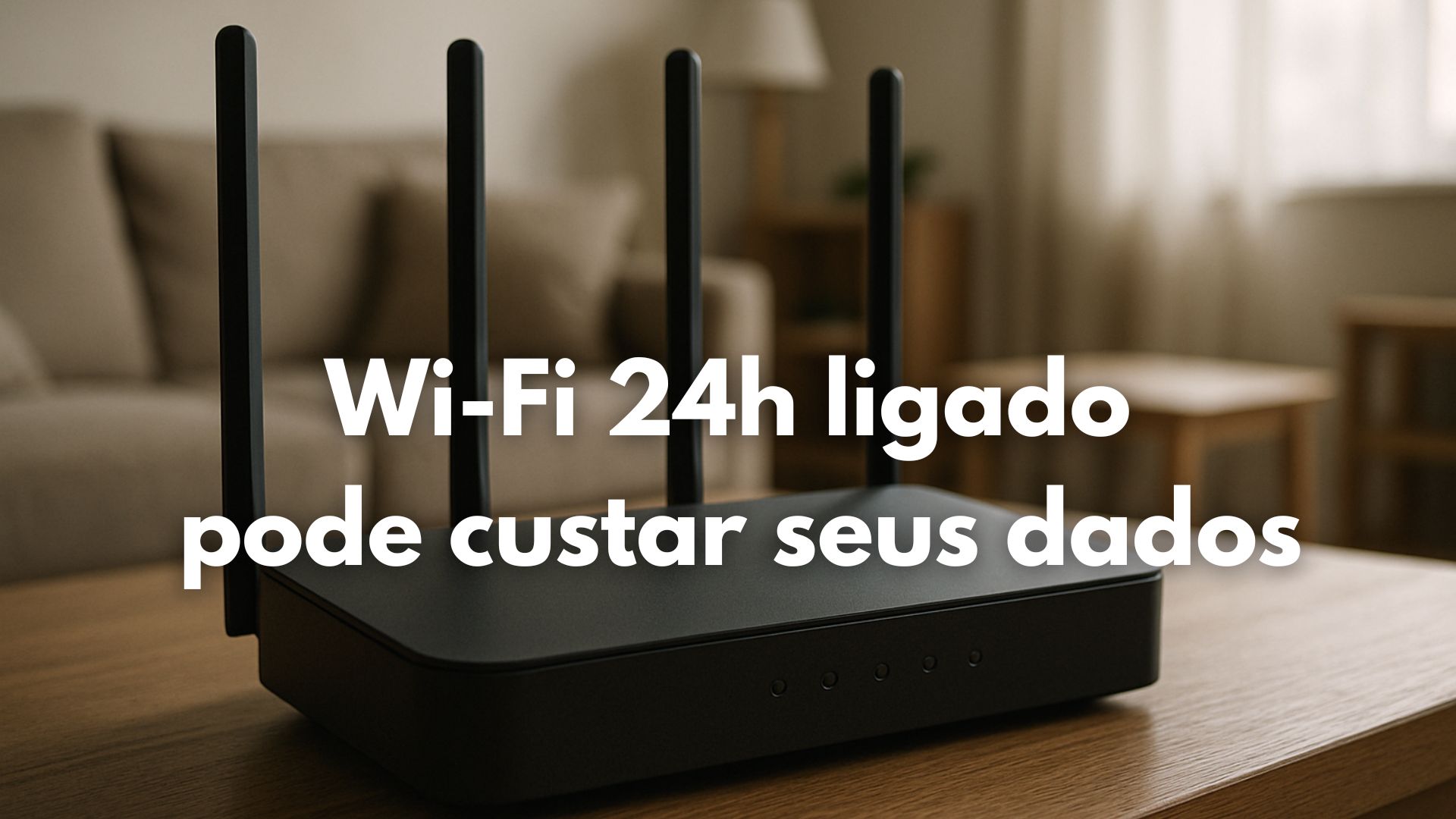

Experts Explain How Unnecessary Routers Left On Become Targets for Silent Attacks, in Addition to Reducing Equipment Lifespan and Increasing Unnecessary Electricity Consumption
The habit of keeping Wi-Fi on even when no one is home may seem harmless, but technicians from internet companies warn that this practice poses significant risks to digital security. In addition to exposing users to silent invasions, the active router may generate unnecessary energy consumption and compromise the durability of the device.
Risks of Silent Attacks
Leaving the router running when not in use opens the door to remote hacking attempts. This occurs because the device continues to emit a signal, making it visible to automated applications and hackers who exploit configuration flaws or weak passwords. According to experts, attacks of this nature can occur without the user noticing, allowing unauthorized access to personal data and connected devices.
Another point of concern is that, even when no one is home, smart devices like security cameras, televisions, and virtual assistants continue transmitting information. If the network is compromised, it can be used by criminals for illegal activities, leaving traces linked to the resident’s IP address.
-
OnePlus N6 Smartphone to Launch in India with 8,000mAh Battery and 45W SuperVOOC Charging, Lasting Up to Three Days

-
Scientists Plan to Release Air Bubbles Underwater to Protect Antarctica’s “Doomsday Glacier” from Melting

-
Chinese R6000 Drone Combines Airplane and Helicopter Features, Carries Up to 12 People for Multiple Missions
-
In the World’s Most Densely Populated Desert, Families Dig Funnel-Shaped Underground Cisterns to Capture Rare Rainfall and Store Drinking Water for Up to Eight Months





Beyond privacy concerns, technicians emphasize that the continuity of the Wi-Fi signal facilitates actions by cybercriminals, who take advantage of these gaps precisely during users’ absences, when there is a lower chance of monitoring and immediate reaction.
Impact on Energy Consumption and Equipment Lifespan
Experts also highlight the practical effects of this practice in daily life. The router, even without access, remains active, continuously consuming electricity. Although the individual cost may seem low, by the end of the month, this sum can represent an avoidable expense.
Additionally, constant operation generates heating and internal overload in the device, factors that reduce the equipment’s lifespan. According to telecommunications and internet technicians, turning off the router when leaving for extended periods helps prevent premature wear and ensures greater durability.
This recommendation is especially important during times of greater climatic instability. During heavy rainfall and power outages, for instance, keeping the router connected can increase the risk of electrical damage.
Recommendations from Internet Companies
According to a report from Portal 6, internet companies themselves suggest that users unplug the router whenever they will be away for long periods. This simple practice helps reinforce digital security, reduce energy consumption, and prevent future technical problems.
Experts emphasize that, while it is common to think of computers and smartphones as potential targets for attacks, any device connected to Wi-Fi can serve as an entry point for cybercriminals. Therefore, the measure of turning off the router goes beyond savings and becomes a protection strategy.
In a scenario where connectivity is increasingly constant, technicians remind us that caring for the home network is also a way to protect what is outside the screen. Small habit changes, like turning off Wi-Fi during absences, help reduce vulnerabilities and ensure more peace of mind for users.
Do you usually keep your Wi-Fi on 24/7 or have you adopted the habit of turning off the router when leaving home?