Portuguese
  Spanish


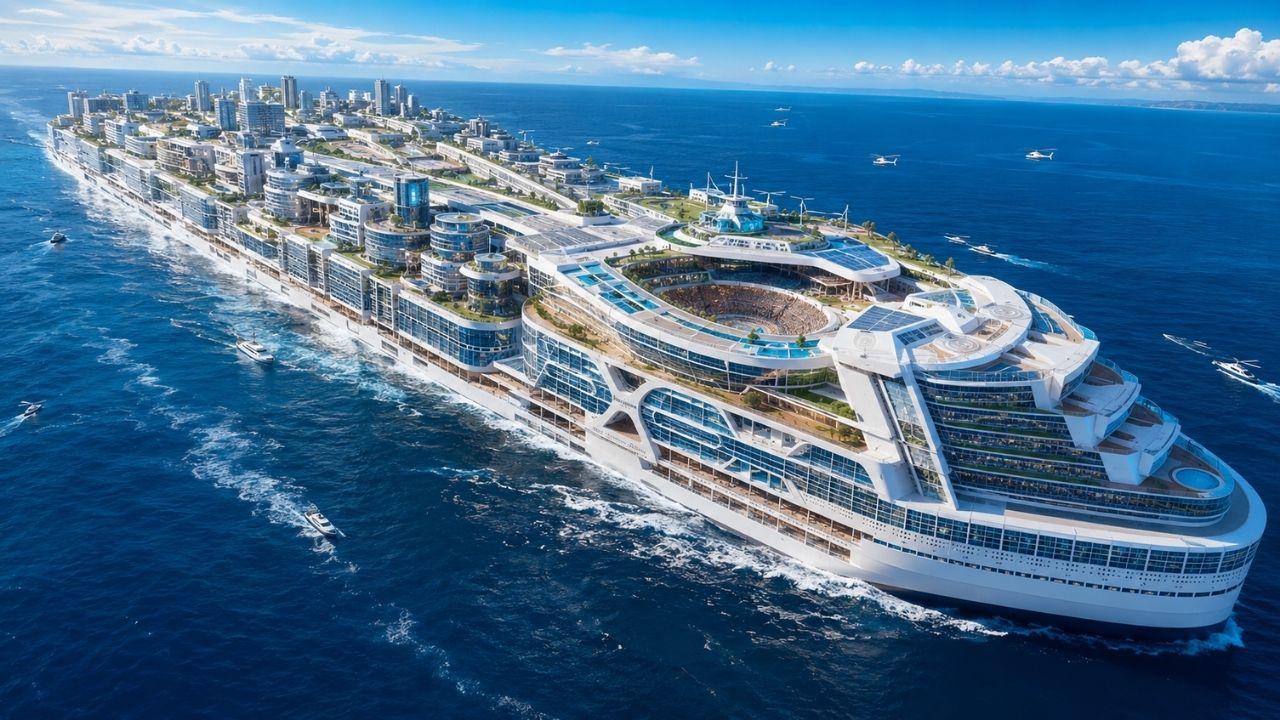

The Freedom Ship is a floating city designed to sail the ocean with up to 80,000 people, 30 decks, hospitals, schools, and nuclear energy. Larger than any cruise ship, the project has existed since the 1990s and has yet to secure funding to become a reality.
Few ideas in the history of modern engineering combine ambition and persistence in the way that the Freedom Ship does. It is a floating city designed not for vacation cruises, but for permanent life on the ocean, a structure nearly 1.6 kilometers long, approximately 240 meters wide, and 30 decks high, intended to accommodate about 80,000 people including permanent residents, visitors, and crew. The project was conceived by American engineer Norman Nixon back in the 1990s and, according to a report published by the Xataka portal, continues to be developed under the management of Freedom Cruise Line International, which claims there is enough demand to justify even the construction of more than one unit.
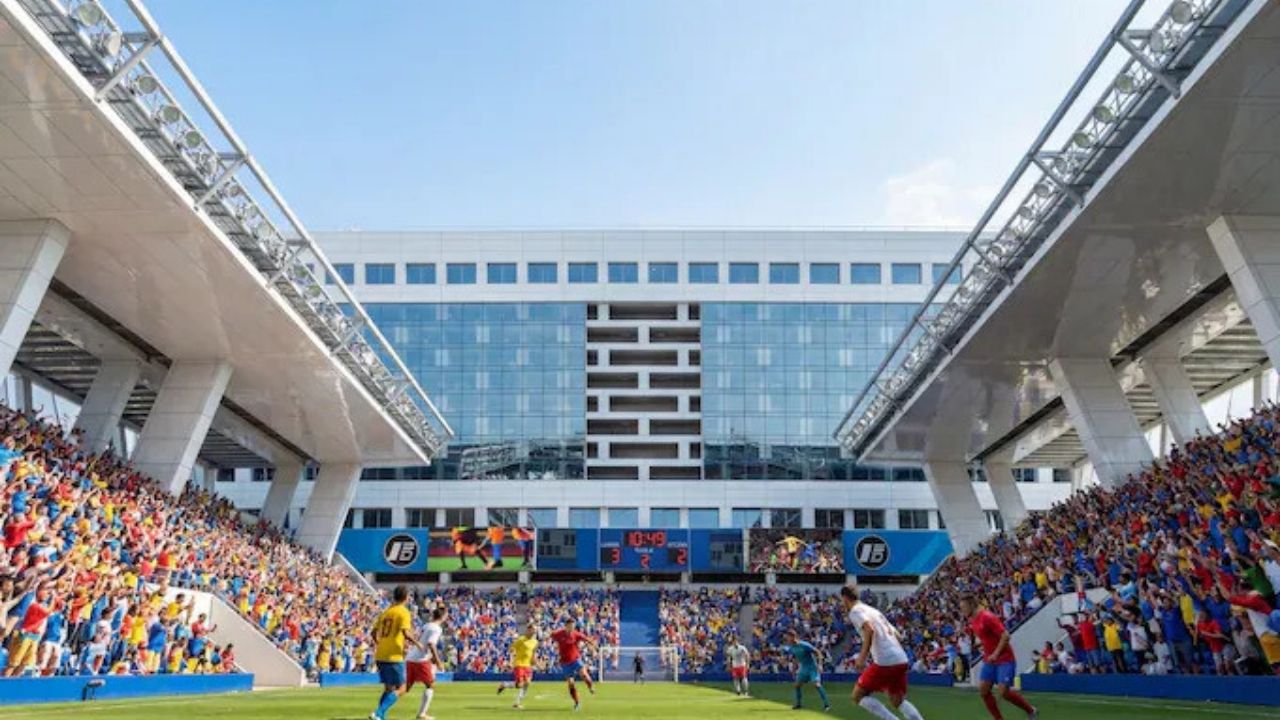
Classified as the largest mobile structure ever imagined, the Freedom Ship is presented by its creators as something between a vessel and a municipality, with hospitals, schools from elementary to higher education, banks, offices, museums, convention centers, concert halls, and sports facilities, as well as a stadium with a capacity for 15,000 spectators, a water park, and various leisure areas. Xataka, a Spanish technology and innovation outlet, released information on the current state of the project, highlighting that the main obstacle remains the same as always: gathering the initial capital needed to transform the illustrated projects into floating steel and concrete.
What is the Freedom Ship and what sets it apart from a common cruise ship
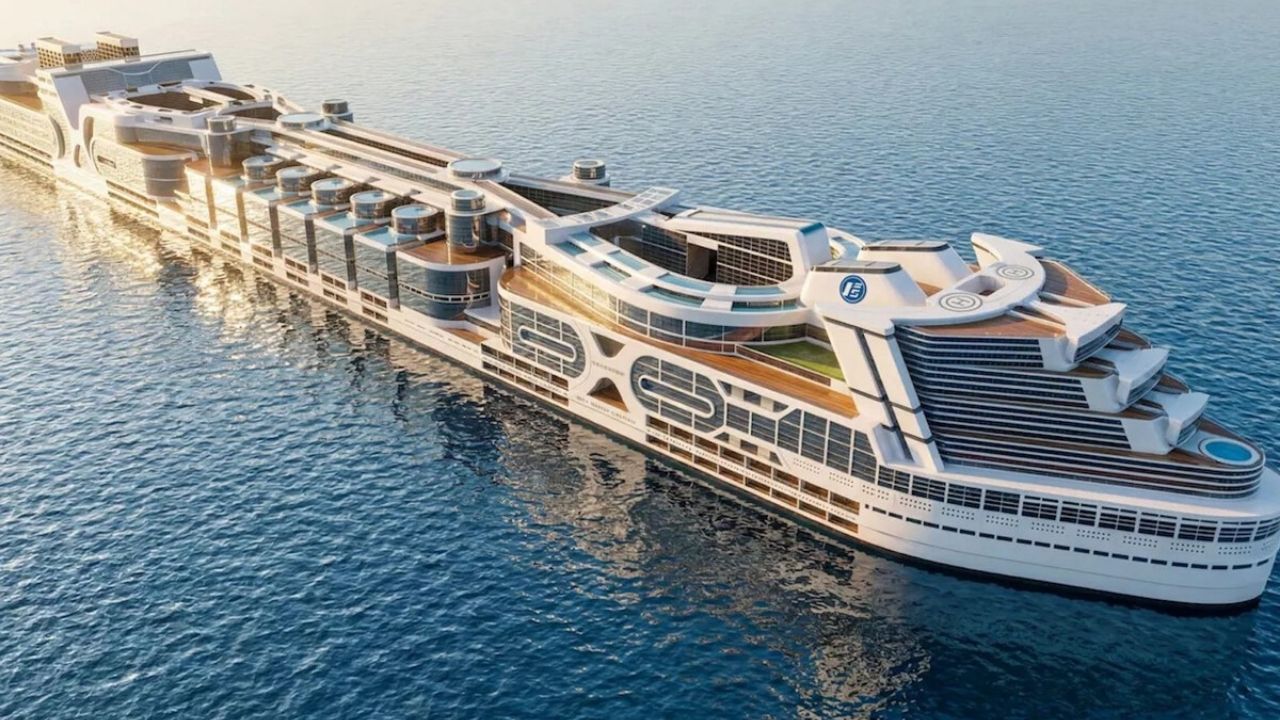
The fundamental distinction between the Freedom Ship and the largest cruise ships in operation today goes beyond size. A luxury ocean liner is built for itinerant tourism: passengers embark for days or weeks and disembark. The Freedom Ship was conceived as a permanent residence, a place where approximately 50,000 residents could establish a permanent home while the structure slowly sails around the world, completing a circumnavigation every two and a half years, according to data published by Xataka.
-
Engineers Develop Jacket That Converts Air Humidity Into Drinkable Water, Producing Up to 900 ml Daily for Hikers, Campers, Rescuers, Rural Workers, and Military in Remote Areas

-
NASA Plans to Repurpose Mars Rover for Lunar Mission, Sending a 1-Ton Nuclear-Powered Vehicle to Explore the Moon’s South Pole Without Solar Dependence
-
Early Humans Made Beds Nearly 200,000 Years Ago in African Caves, Study Reveals

-
Japanese Smart Bike Detects Cyclist’s Intent to Turn and Potential Falls


Given its length, the ship would not be able to dock at conventional ports, its operation in international waters would require the use of ferries and auxiliary vessels for connection to the mainland. Internally, residents would have access to distinct neighborhoods, tram transportation systems, kilometers of pedestrian sidewalks, and extensive green areas. The logic is to replicate the functioning of a conventional city within a floating platform capable of operating autonomously for long periods.
Thirty years of project and the problem that never changed
The story of the Freedom Ship began in the 1990s, when Norman Nixon, an American engineer, publicly presented the concept for the first time. In three decades, the project was relaunched on different occasions, attracted international attention, and even generated detailed illustrations of what life on board would be like. But none of these presentations resulted in the necessary funding to effectively start the construction. Currently, Freedom Cruise Line International is leading efforts to make the construction feasible and claims that existing interest would justify even multiple units, although the issue of initial capital remains the biggest obstacle, as reported by Xataka.
The estimated cost of 12 billion pounds places the Freedom Ship on an investment scale that far exceeds that of any cruise ship ever built. This partly explains why skepticism around the project has never disappeared: a floating city of this size has never been built, and no precedent for private financing for a project of this nature has been established to date. The project leaders, in turn, are betting on a hybrid economic model, combining permanent housing, commerce, tourism, and specialized services, as an argument for long-term financial viability.
How it would be built and who would manage the megastructure
If the financing is secured, the plan is for the hull of the Freedom Ship to be manufactured in sections in Indonesia and later assembled at sea. According to information published by Xataka, those responsible for the project estimate that construction could be completed in three to four years, and they add that the first residents could begin to settle even before the complete completion of the works, in a kind of progressive occupation.
The proposed management model is deliberately different from that of cruise ships, where all services are usually operated by a single company. On the Freedom Ship, commercial space would be rented or sold to independent companies and entrepreneurs, replicating the dynamics of a real city, where multiple economic agents coexist. The maintenance of the structure would be carried out continuously while the platform remains in operation on the waters, another difference compared to conventional vessels, which go through scheduled periods out of service for repairs.
Nuclear energy and ecological ambitions in the ocean


One of the most unusual aspects of the Freedom Ship is the proposal to use nuclear energy as the main source of propulsion and supply. The creators argue that this solution would drastically reduce emissions associated with the maritime transport of a structure of this size, making it feasible to maintain a mobile megacity operating continuously on the oceans. There are no technical details available at the moment about the specific type of reactor that would be used or how this technology would be regulated in different international jurisdictions.
In addition to nuclear propulsion, the project’s promoters claim that the Freedom Ship could participate in ocean cleaning initiatives during its crossings and function as a laboratory for new forms of sustainable coexistence at sea. There is also the argument that, by operating permanently in international waters and away from ports, the megastructure would avoid contributing to the problems of tourist saturation that affect highly visited destinations, a justification that attempts to turn the project’s mandatory geographical isolation into an environmental and social advantage.
Between utopia and engineering: what still separates the project from reality
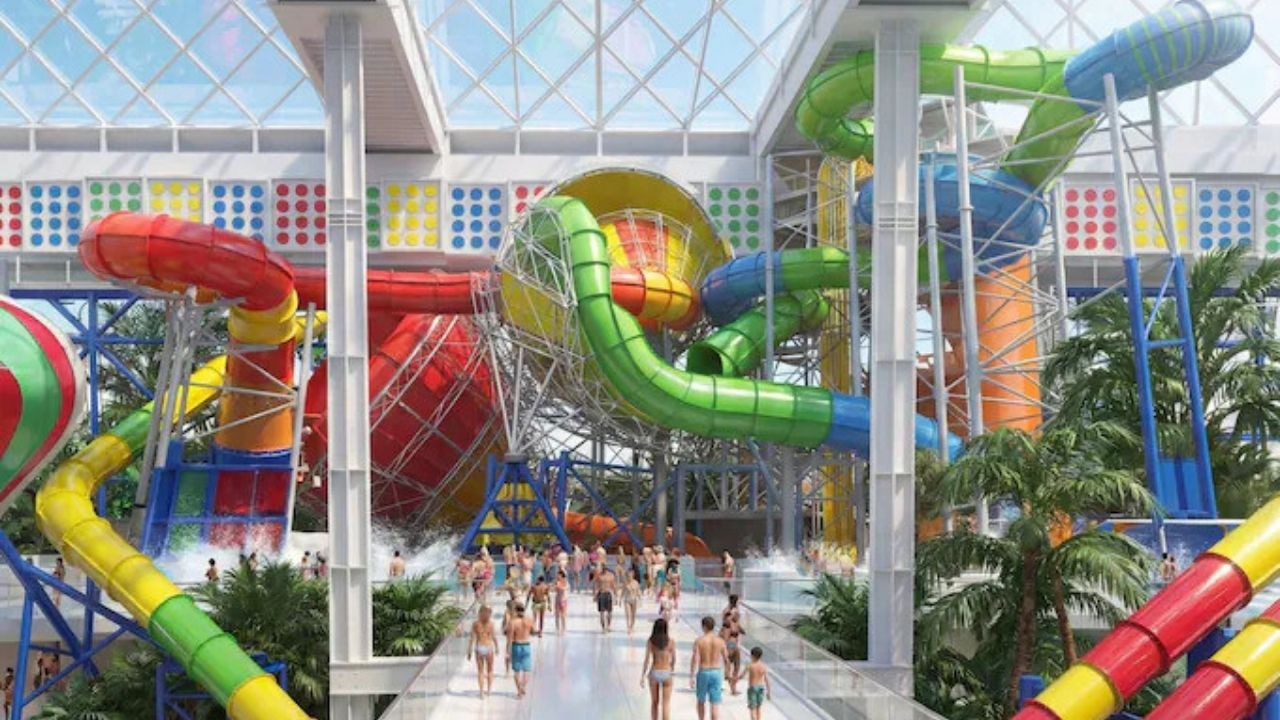
The Freedom Ship occupies a unique territory on the map of contemporary technological ambitions: it is detailed enough to be taken seriously, yet not a single inch of its physical structure has been built. Thirty years after its conception, the project continues to exist mainly in illustrations and statements of intent. The lack of precedents on a comparable scale makes it difficult to accurately assess whether the estimated timelines and costs are realistic, and this uncertainty is one of the factors keeping investors at bay.
On the other hand, the persistence of the project over three decades indicates that the idea resonates with an audience willing to imagine alternative ways of inhabiting the planet. If Freedom Cruise Line International manages to gather the necessary initial capital, which, until the publication of the Xataka report, had not yet occurred, the Freedom Ship could become not only the largest mobile structure ever built but also the first genuinely floating city in human history. For now, it remains one of the most persistent technological utopias of the contemporary world.
Does the idea of permanently living in a floating city navigating the planet seem viable, attractive, or completely out of reality to you? Would you live on the Freedom Ship if it were built?