






 Portuguese
  Spanish


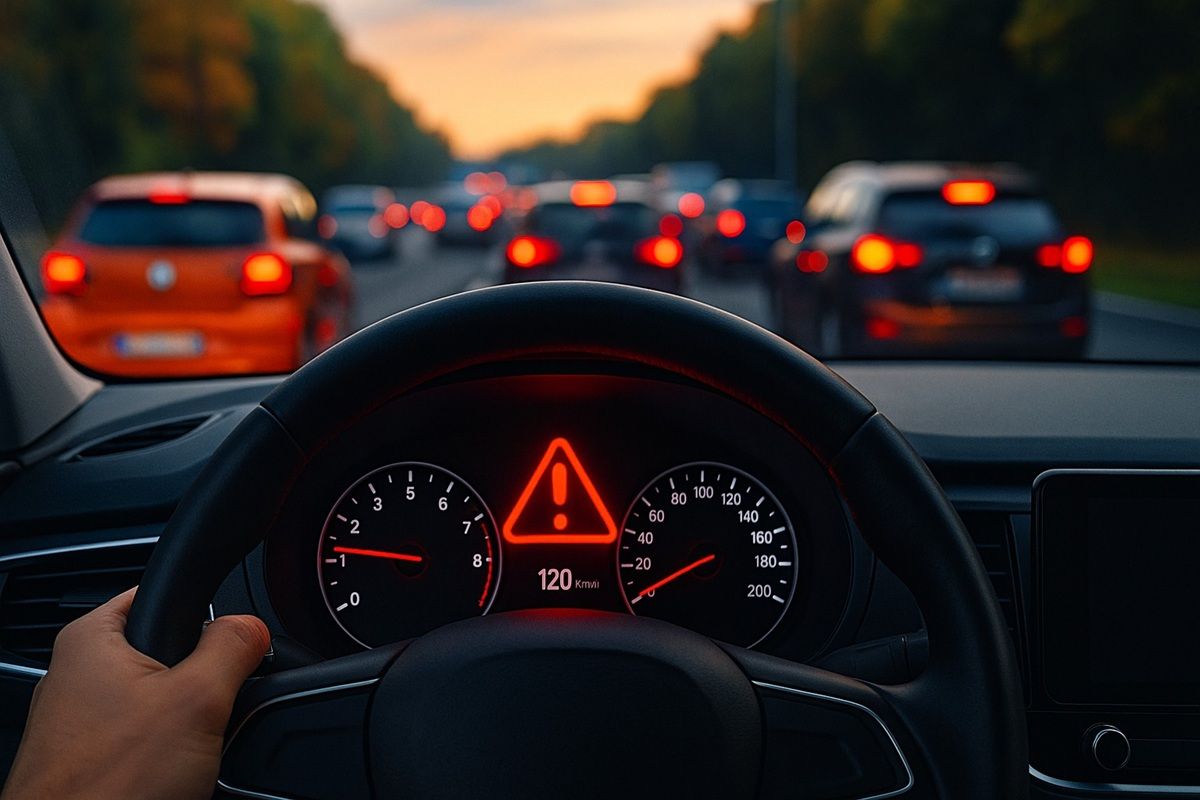


New Patent From Xiaomi Describes Technology That Compares Car Speed With Nearby Traffic, Adjusts Limits According To The Environment, And Alerts The Driver Before Real Risks Arise In Traffic.
Xiaomi presents a concept that enhances the way safety alerts function in cars. The new patent describes a system capable of notifying the driver when their speed becomes disproportionate to the rhythm of the surrounding traffic.
The company bets on constant readings of the environment, using sensors to identify risks that do not appear in traditional monitoring methods.
The proposal seeks to provide more safety to the driver before any sharp differences in speed create unexpected situations in traffic.
-
James Webb Telescope Uncovers Unexpected Clues on Mysterious Moon, Potentially Redefining Planetary Origins

-
$1.5 Billion Sleipnir Vessel Transforms Ocean into Floating Construction Site with 12 Hybrid Engines and Capacity to Lift 20,000 Tons

-
23 Years After Tragedy, Brazil’s Alcântara Space Center to Launch New Suborbital Rocket in 2026 with South Korean SEBIT Project Targeting Near-Space Tests
-
Entrepreneur Turns Neighbor’s Coffee Grounds Waste into Eco-Friendly Pellets, Earning Up to $40,000 Monthly in Brazil


How The System Interprets The Environment In Real Time
The technology continuously analyzes the data captured by the sensors of the vehicle. It identifies predefined objects, such as nearby cars, and uses these elements as references to understand traffic dynamics.
From this reading, the system calculates the driver’s speed in relation to other vehicles.
When this relative speed exceeds a predefined limit, the system issues an immediate warning. The idea is to guide the driver to reduce or adjust their pace before a speed difference creates a dangerous gap.
Xiaomi aims to prevent small variations from evolving into greater risks, especially in unpredictable traffic scenarios.
Why Relative Speed Matters
The patent highlights that traditional monitoring focuses only on the speed limit established by law. It only generates alerts when the driver exceeds this number.
Xiaomi argues that this creates a safety gap, as a vehicle may be within the legal limit and still be going too fast compared to the surrounding traffic.
Environments such as school zones, dormitories, dining areas, tourist attractions, or construction sites tend to naturally reduce traffic speed.
In these areas, a vehicle going at high speed does not trigger a conventional warning, even when it poses a clear risk.
The proposed system addresses this flaw by tracking relative speed. It observes the pace of other vehicles and calculates risks that absolute speed monitoring does not detect.
Alert Threshold Adjusted To The Type Of Road
The patent indicates that the system does not rely on a fixed value to issue warnings. Instead, it dynamically adjusts the alert threshold according to the environment.
In densely populated areas, the threshold decreases to warn the driver earlier. On highways and major urban roads, the limit increases due to the faster and more stable flow.
The system identifies the type of stretch the car is in. Then, it selects the appropriate alert level and determines the right moment to trigger the warning. This ensures that the driver receives guidance consistent with the driving scenario.
Adaptable Alerts For The Driver And The Scenario
Xiaomi also describes a flexible system for issuing notifications. The document mentions different methods, such as displaying visual warnings on the vehicle’s central screen or activating spoken messages that inform of the risk. The intention is to keep the alert clear even when the driver is distracted or unable to look at the screen.
According to the patent, these warnings occur in real time, the moment the relative speed exceeds the safety limit. This response time allows the driver to reduce speed, adjust their behavior, and avoid dangerous situations.


