Portuguese
  Spanish



Xiaomi Model Surprises Google Ranking, Surpassing iPhone 17 in Popularity and Reinforcing Change in Brazilian Consumer Behavior, More Attentive to Performance, Battery Life, and Cost-Effectiveness
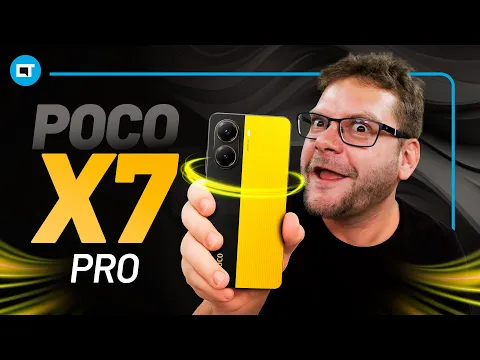
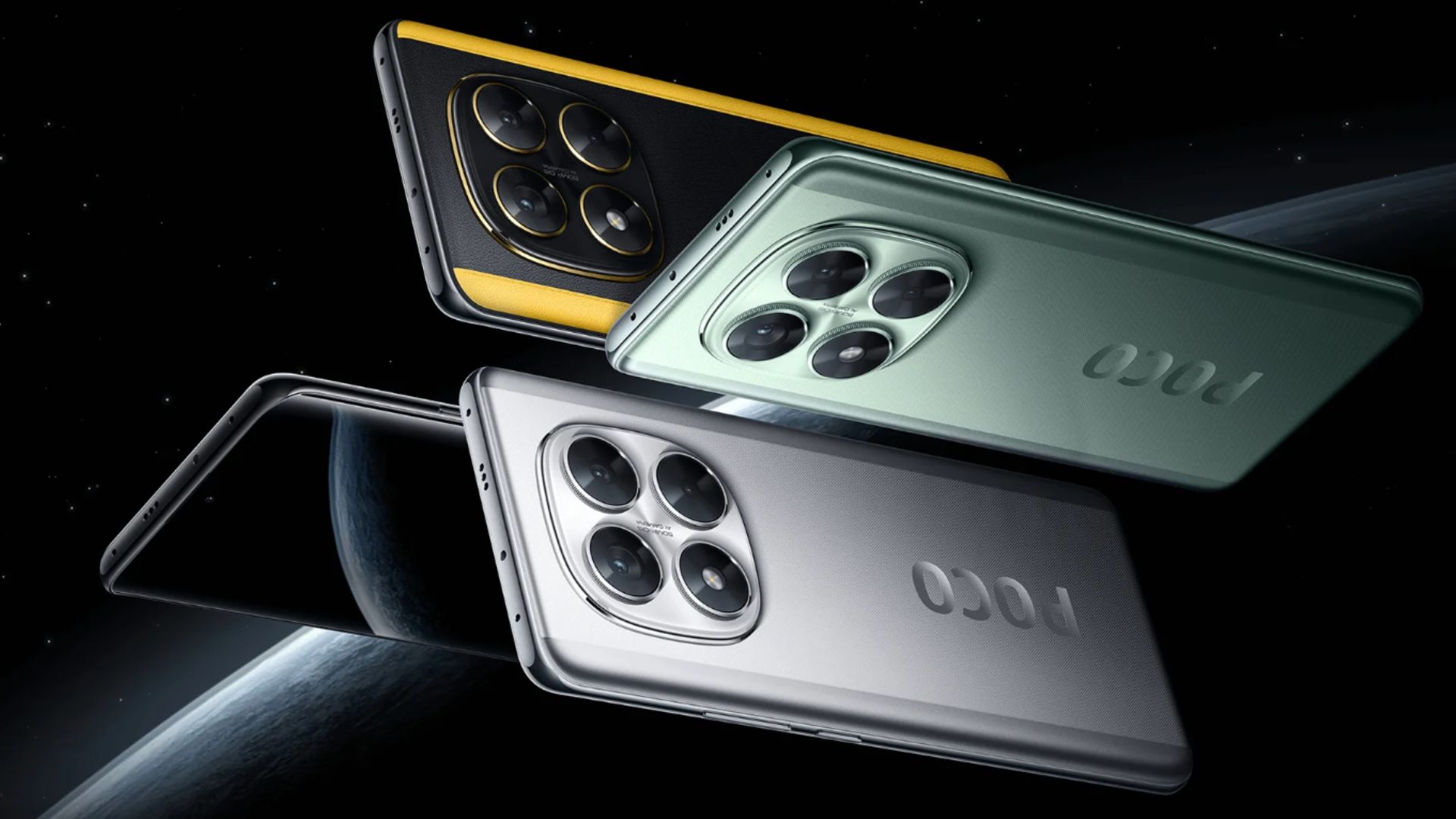
The smartphone market in 2025 brought a turn that few analysts predicted. Amid anticipated releases from giants like Apple and Samsung, a model from Xiaomi managed to steal the spotlight and occupy a prominent position among the most desired products of the year. This is the Poco X7 Pro, a phone that even surpassed the iPhone 17 in the ranking of interest among Brazilians, according to data released by Google.
According to the survey, the Poco X7 Pro appears as the second most desired product of 2025 in Brazil, trailing only behind the Labubu doll. The iPhone 17, on the other hand, dropped to fourth place, a result that signals a clear shift in the profile of the national consumer, increasingly attentive to the relationship between price, performance, and technical features.
This information was disclosed by consolidated data from Google Trends and search behavior reports, which analyze millions of queries made throughout the year, revealing real consumption trends and interests.
-
$1.5 Billion Sleipnir Vessel Transforms Ocean into Floating Construction Site with 12 Hybrid Engines and Capacity to Lift 20,000 Tons

-
23 Years After Tragedy, Brazil’s Alcântara Space Center to Launch New Suborbital Rocket in 2026 with South Korean SEBIT Project Targeting Near-Space Tests
-
Entrepreneur Turns Neighbor’s Coffee Grounds Waste into Eco-Friendly Pellets, Earning Up to $40,000 Monthly in Brazil

-
In China, Six-Armed Humanoid Robot Revolutionizes Washing Machine Factory, Boosting Efficiency by 30%


Why the Poco X7 Pro Became One of the Most Desired Phones in Brazil
First of all, the success of the Poco X7 Pro did not happen by chance. Launched in January 2025, the model quickly gained attention for combining high performance, long-lasting battery, and competitive pricing, a combination that proved extremely attractive to the Brazilian audience.
In terms of performance, the Poco X7 Pro achieved 1,863,133 points on the AnTuTu platform ranking, an impressive number that places it on par with premium smartphones, including much more expensive models. This high performance led to the device being widely classified as a gaming phone, capable of running demanding games and applications smoothly.
Moreover, the model stands out by offering a robust 6,000 mAh battery, easily outpacing many direct competitors. This capacity ensures more hours away from the charger, a decisive factor for users who heavily utilize their smartphones throughout the day.
Another relevant point is the screen with a 120 Hz refresh rate, which provides greater smoothness in animations, scrolling, and gaming. To top it off, the Poco X7 Pro features IP68 certification, ensuring resistance to water and dust—characteristics that are not always present in devices in the same price range.
Poco X7 Pro vs. iPhone 17: Where Each Excels
When directly comparing the Poco X7 Pro with the iPhone 17, it becomes evident that each model has clearly defined strengths. On Xiaomi’s side, the device uses a processor manufactured with four-nanometer lithography, offering a good balance between performance and energy consumption.
The Poco X7 Pro’s screen also stands out for being larger, having a higher peak brightness, and featuring PWM technology, which improves visual comfort during long use periods. Meanwhile, in battery performance, the advantage is clear: while Xiaomi’s model offers 6,000 mAh, the iPhone 17 has 3,692 mAh, nearly half of the capacity.
On the other hand, Apple’s smartphone maintains leadership in specific areas. The iPhone 17 excels in photography and video recording quality, in addition to offering more advanced connectivity options and an even more efficient processor, manufactured with three-nanometer lithography, technically surpassing the Poco X7 Pro’s chip.
Even with these advantages, the high cost weighs heavily on the purchasing decision. Currently, the iPhone 17 costs about 263% more than the Poco X7 Pro in its original version. This difference becomes even more impactful when compared to the iPhone 17 Pro Max, whose price reaches 468% higher than Xiaomi’s model.
Ranking of the Most Desired Phones of 2025 Reinforces a New Trend
The data from Google makes it clear that Brazilian consumer behavior is changing. The focus has shifted from just brand or status to considering real value delivery, practical performance, and fair pricing.
Check out the list of the most desired phones of the year on Google:
- Poco X7 Pro (2nd place);
- iPhone 17 Apple (3rd place);
- iPhone 16 Apple (5th place);
- Galaxy S24 (13th place);
- Galaxy A55 (26th place).
This ranking shows that models with strong cost-effectiveness appeal are gaining ground, while premium devices face greater resistance due to high prices.