Portuguese
  Spanish


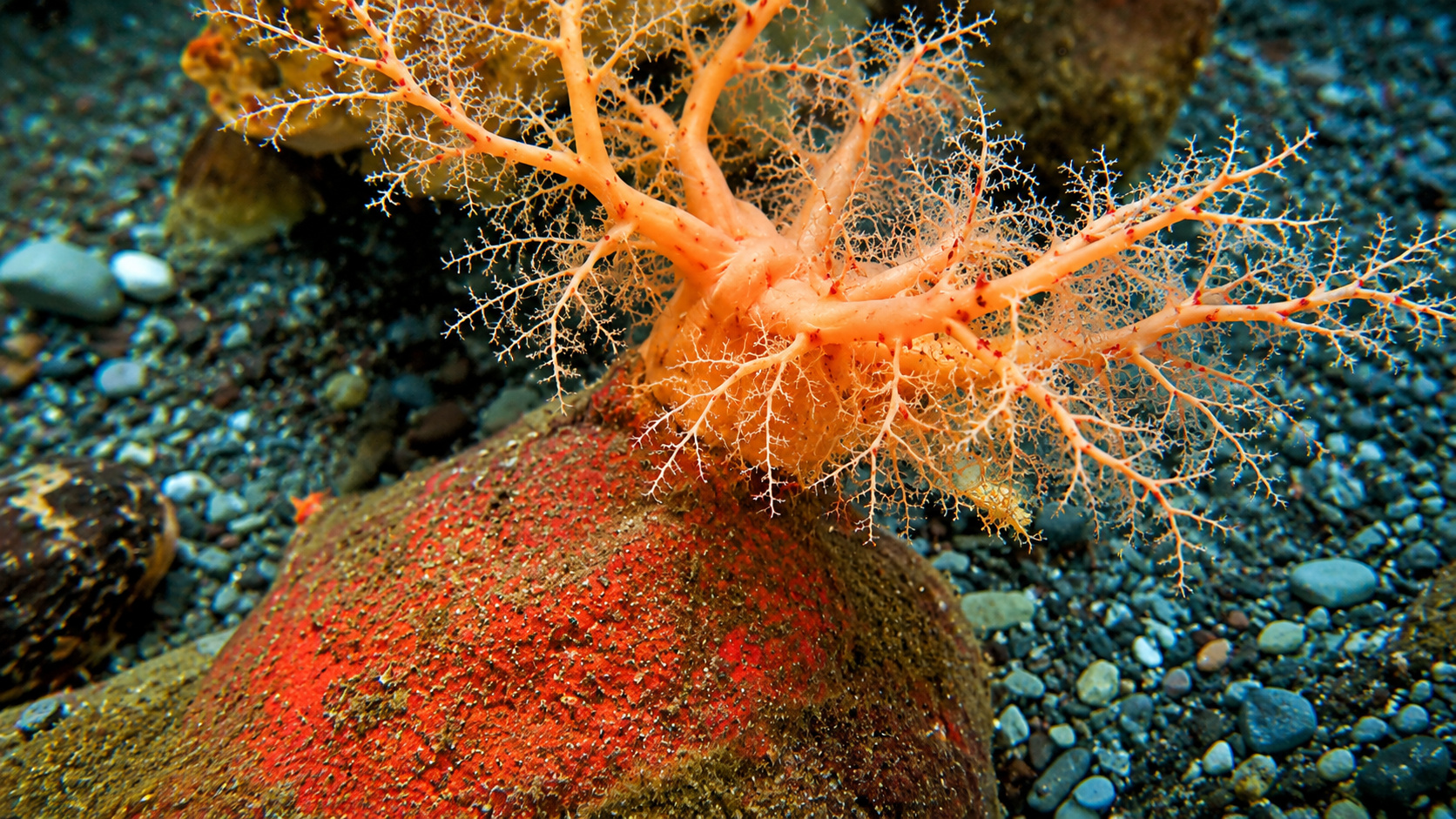

Sea cucumber tissue fragments remained active for years, healed wounds, and surprised researchers in Canada
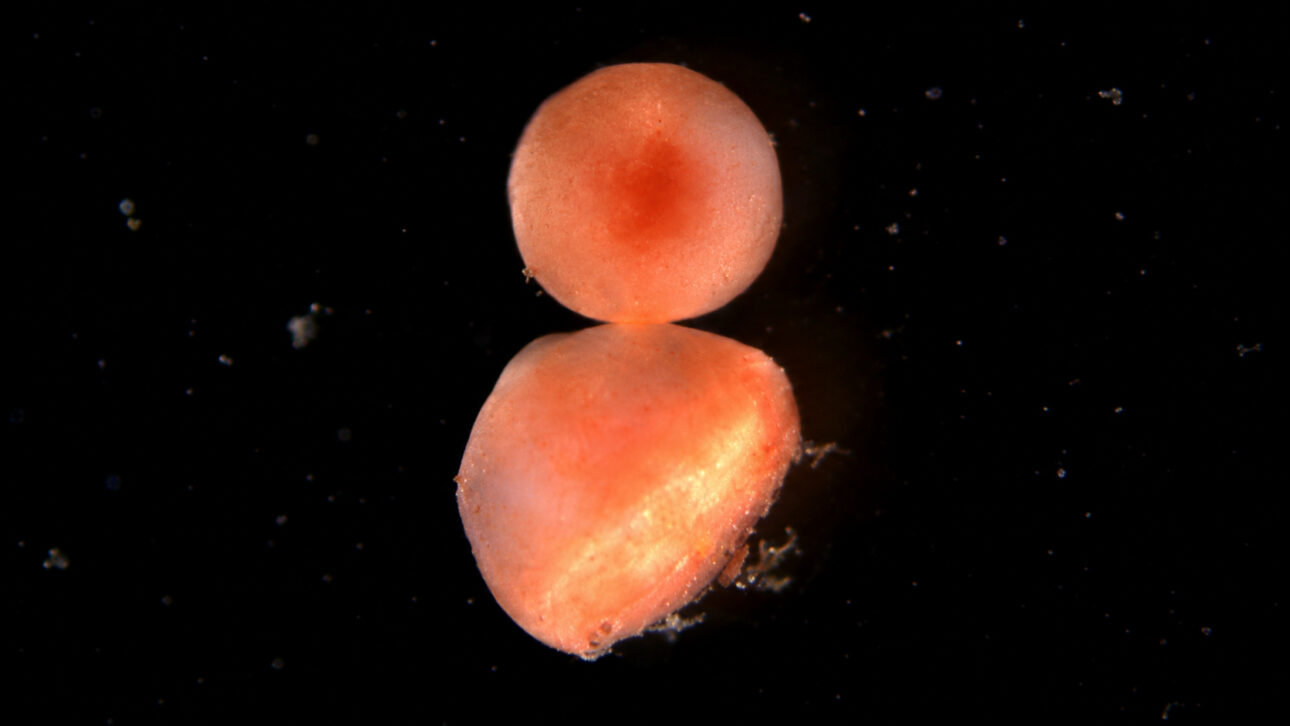
An unusual scientific discovery is drawing attention for challenging traditional concepts about life, death, and cellular aging. Researchers from Memorial University in Canada identified that tissue fragments from the species Psolus fabricii, a type of sea cucumber, remained alive for more than three years after being separated from the animal’s body. The study, published in the journal Science Advances, showed that these tissues not only resisted time but also maintained typical functions of living organisms. The fragments healed injuries, reorganized internal structures, absorbed nutrients, and exhibited cellular and immunological activity, leading the team to call them “zombie tissues.”
Unexpected discovery changes the course of research
The observation began accidentally during a routine experiment conducted by researcher Sara Jobson. Small pieces of tissue were left in tanks with running seawater, and the expectation was that they would deteriorate quickly, as occurs with animal tissues separated from the organism. However, the result was different. First, the fragments remained intact for weeks. Then, they continued to live for months. Over the years, scientists realized they were facing a phenomenon not yet documented and began a detailed investigation to understand how those tissues maintained biological functions for so long.
Tissues heal wounds and maintain cellular activity
Immediately after separation, the fragments reacted to the damage caused by the cut. The injured areas underwent an intense process of cellular cleaning, while compromised parts were eliminated and new cells emerged to repair the wounds. In less than a week, all analyzed samples completely closed the lesions. Researchers also observed mitosis, the process of cell division, and apoptosis, a mechanism that eliminates damaged cells in a programmed way. Immune cells called coelomocytes migrated to the wounded regions, aiding in defense against infections and removal of damaged material.
-
Bruno Guimarães, 28, Misses Crucial Penalty Against Norway in World Cup After Replacing Vinicius Jr.

-
Inspired by a school lesson on Africa’s water crisis, a young boy raised money through chores to fund a well that transformed a Ugandan community.

-
Brazilian Construction Worker Moves to France, Earns Up to €2,500 Monthly with Home Renovations, Gains Social Media Attention

-
US Navy Sinks USS Oriskany with 230 kg of C-4, Creating World’s Largest Artificial Reef in 37 Minutes



Survival without a mouth, stomach, or digestive system
One of the most intriguing points of the study involved the energy source of the tissues. The fragments had no mouth, stomach, or any digestive system, but tests showed they could absorb amino acids dissolved directly in seawater. This ability was more intense in the first weeks after separation, precisely when the energy demand for healing was greater. The authors also indicated that the tissues might reuse internal reserves to sustain their biological functions. In this way, the fragments managed to maintain activity even without relying on a complete organism.
Natural environment reinforces scientific mystery
Another factor caught the researchers’ attention. Normally, tissues kept outside the body require sterile environments, specific solutions, and strict laboratory control. In the case of Psolus fabricii, however, the fragments survived in natural seawater, with bacteria, fungi, microorganisms, and organic particles. Even so, the tissues remained alive. For the scientists, this resistance suggests highly efficient immunological and biochemical mechanisms capable of preventing infections and degradation.
Growth continues even after years of separation
Over time, the fragments also underwent significant physical changes. Initially, they decreased in size after the cut. Months later, they regained their original dimensions. In some cases, they became larger than they were right after separation. The internal structure also changed. The muscle tissues gradually disappeared, while the connective tissue began to dominate the fragment. According to the authors, this alteration may represent an adaptation to reduce energy expenditure on structures without function outside the original body. Even after more than three years, the researchers found no clear signs of aging or functional loss.
Phenomenon does not appear in other tested species
To verify if this ability was common among echinoderms, the scientists repeated the tests with other species. This group includes starfish, sea urchins, and other sea cucumbers. Some tissues survived for weeks or months, but all eventually degraded. None showed the longevity observed in Psolus fabricii. Therefore, the researchers believe that the phenomenon may be exclusive to this species or depend on biological mechanisms still unknown.

Discovery opens new questions for science
Scientists still do not know what evolutionary advantage could explain this resistance and avoid claiming that the tissues are immortal. The study shows, however, that they remained alive and functional for more than three years without evident signs of deterioration. The result may contribute to research in regenerative medicine, tissue engineering, cellular aging, and new biological models. The so-called “zombie tissues” offer a rare opportunity to study how complex structures maintain vital functions autonomously for long periods.
What do you find more surprising: the healing ability of the tissues or the fact that they remain alive for years outside the body?