






 Portuguese
  Spanish
  3 min of reading
  1 comment


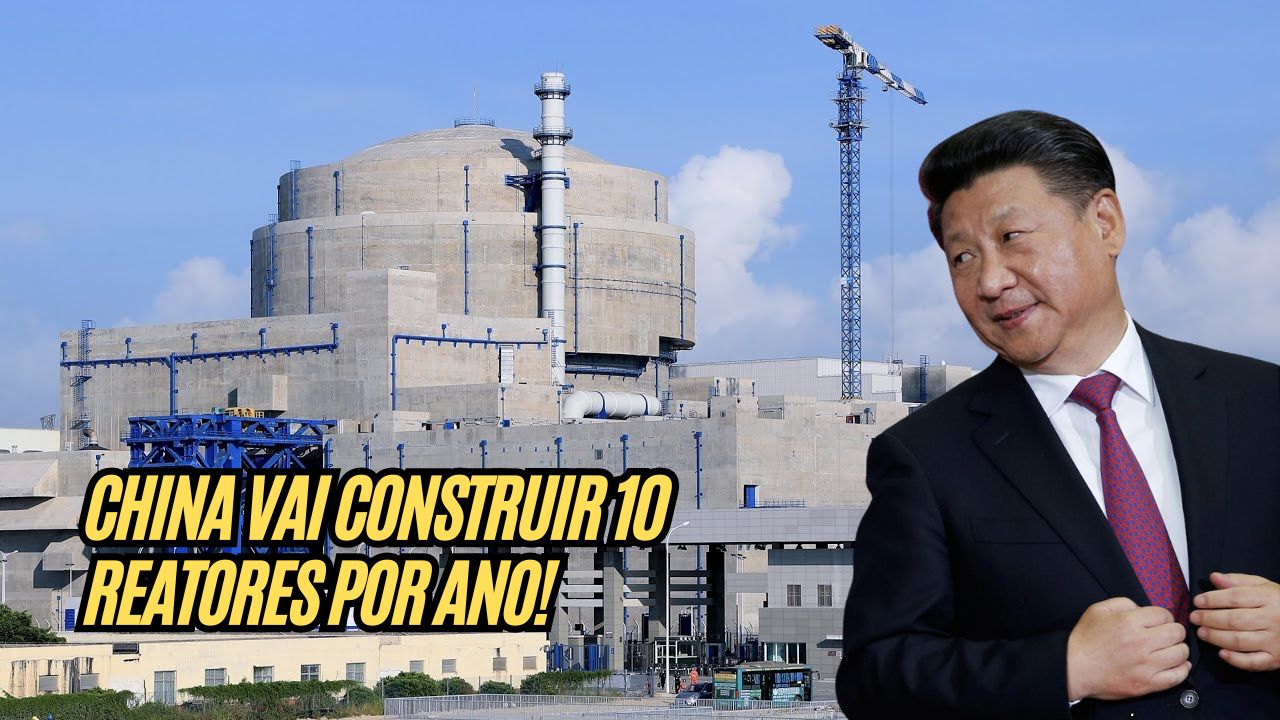


China Revealed an Ambitious Plan to Become the World’s Largest Nuclear Exporter, Betting on the Construction of 100 New Nuclear Reactors in the Next 10 Years. China’s Plan Not Only Seeks to Consolidate the Country as a Leader in Nuclear Energy but Also to Strengthen Its Position on the Geopolitical Stage and Expand Its Influence in Developing Markets.
The goal of China is clear: to build 10 new reactors per year, totaling 100 by 2035. This strategy, considered “realistic” by the Deputy Secretary-General of China National Nuclear Corporation, Tian Jiashu, has already begun to be implemented. Only in 2024, the country approved the construction of 11 reactors, breaking approval records and setting the tone for the next decade.
If the pace is maintained, China’s nuclear capacity could quadruple to 200 gigawatts, representing 10% of the domestic electricity demand by 2035. In the long term, the goal is to reach 400 gigawatts by 2060.
Global Competition: China Surpassing France and the USA
China’s plan is not just about quantity. With this expansion, Beijing would leave behind traditional powers like France and the United States, taking the top spot as the largest operator of nuclear energy. This advancement complements China’s already established leadership in renewable energy, such as solar and wind.
-
American company drills a 1,830-meter hole in Kansas using oil well technology, places a nuclear reactor inside, and claims it will generate electricity without any cooling tower.

-
Canada invests more than 2 billion dollars to upgrade an old nuclear laboratory and try to rival the world’s major atomic energy powers.
-
Nuclear company backed by Bill Gates partners with Hyundai for next-generation 345 MW nuclear reactor

-
Russia is sailing all 8 nuclear icebreakers of its fleet simultaneously for the first time in history, as the Arctic freezes two weeks earlier than expected.


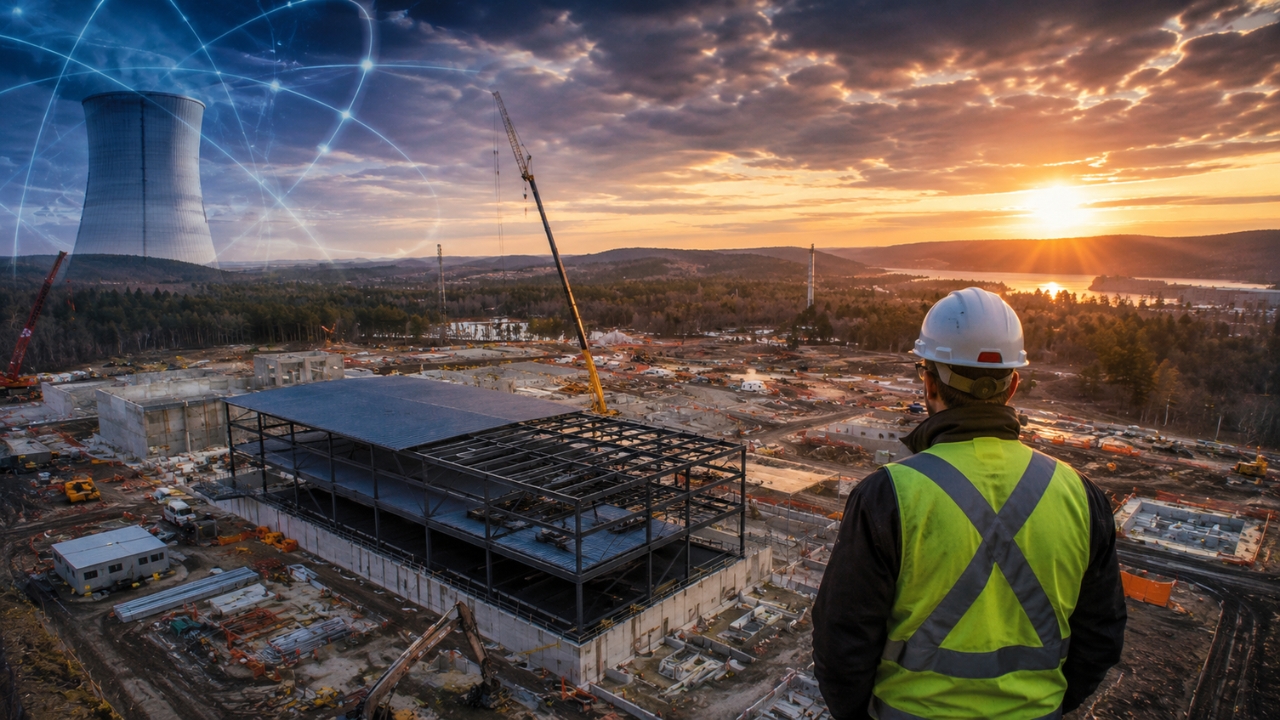


Although nuclear energy represents only a fraction of the country’s energy matrix, it is crucial for China’s decarbonization goals. Unlike intermittent renewable energies, such as solar and wind, nuclear energy offers a stable and reliable source, free of CO2 emissions.
Technology Export: A New Revolution
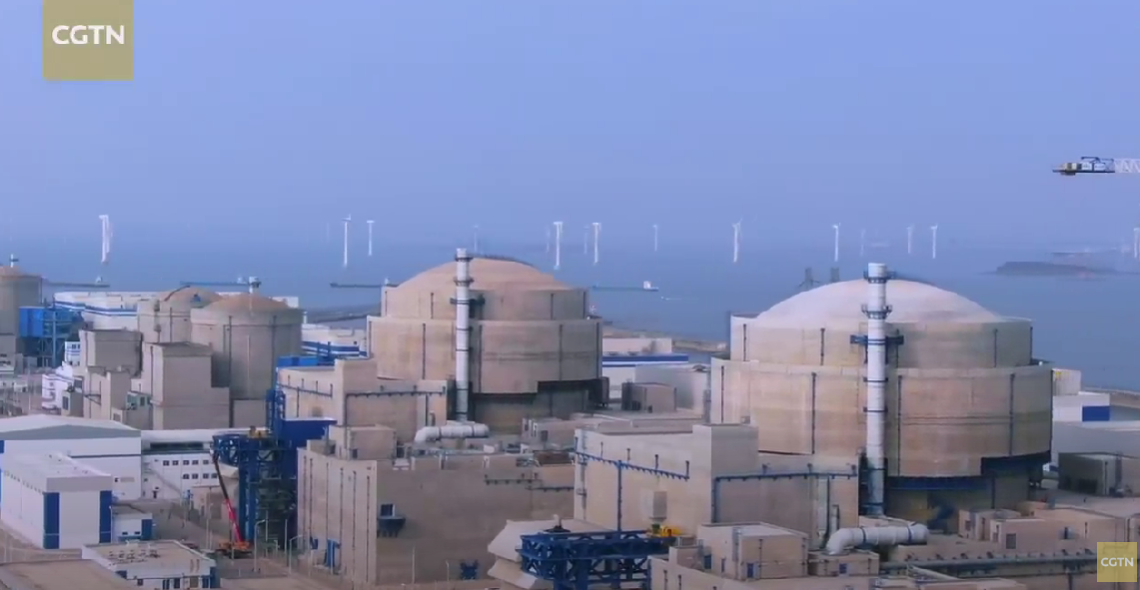
Inspired by the success in the solar and wind energy industries, China’s plan includes nuclear technology export. The country is already one of the few nuclear technology suppliers in the world but aims to establish itself as the largest nuclear exporter globally, offering affordable and efficient solutions for developing countries.
A notable example of this leadership is the HTR-PM reactor, considered one of the safest nuclear technologies in the world. With an innovative design that prevents meltdowns, it is the only operational SMR globally. This technology, combined with low production costs, puts China in a position of advantage over its competitors.
Challenges on the Horizon
Despite the strength of China’s state sector, which leads the country’s nuclear development through companies such as China National Nuclear Power Co. and State Power Investment Corp., the expansion will require more than government support. To maintain the pace, it will be necessary to attract private investments, which currently represent only 20% of the sector. The goal is to double this participation to 50%.
Challenges such as strict safety standards, logistical issues, and scarcity of suitable coastal sites may hinder the implementation of the plan. In inland regions, water resource management also presents an obstacle.
The Future of Nuclear Energy in Global Leadership
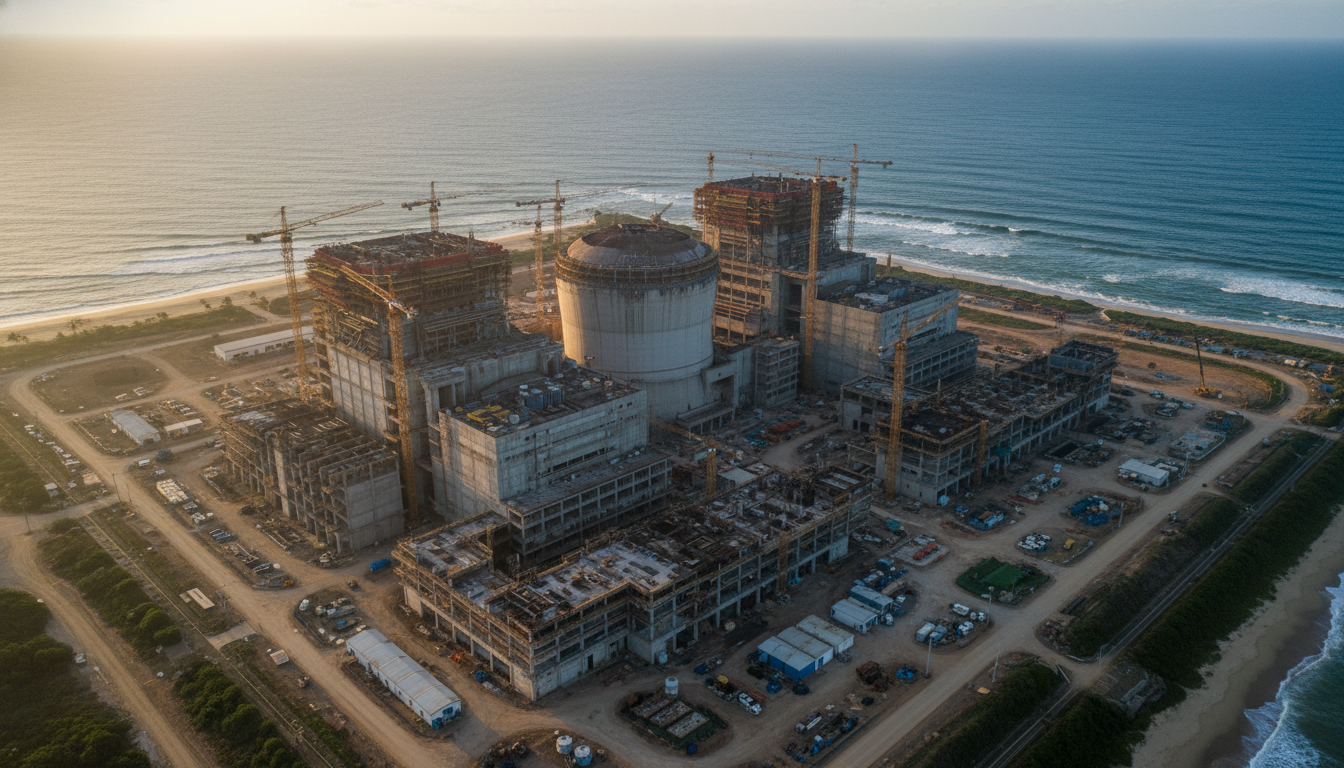
With a Well-Defined Strategy, China’s plan is not just a promise but a calculated path to redefine the global nuclear energy market. The goal of becoming the world’s largest nuclear exporter reinforces the country’s ambition to lead not only the energy transition but also the energy geopolitics of the 21st century.







Aqueles que criticam a China ou qualquer outro país que desafie a egemonia dos EUA e seu grupo do G7, devo dizer que tal grupo compreende os países mais desenvolvidos do mundo , acostumem se a ver uma China cada vez mais avançada em todas as áreas científicas, tecnológicas, militar e até espacial, não digo que a China irá superar os EUA em tudo más será um rival capaz de competir e muitas vezes superar a grande potência Americana.