





 Portuguese
  English
  Spanish
 3 min of reading


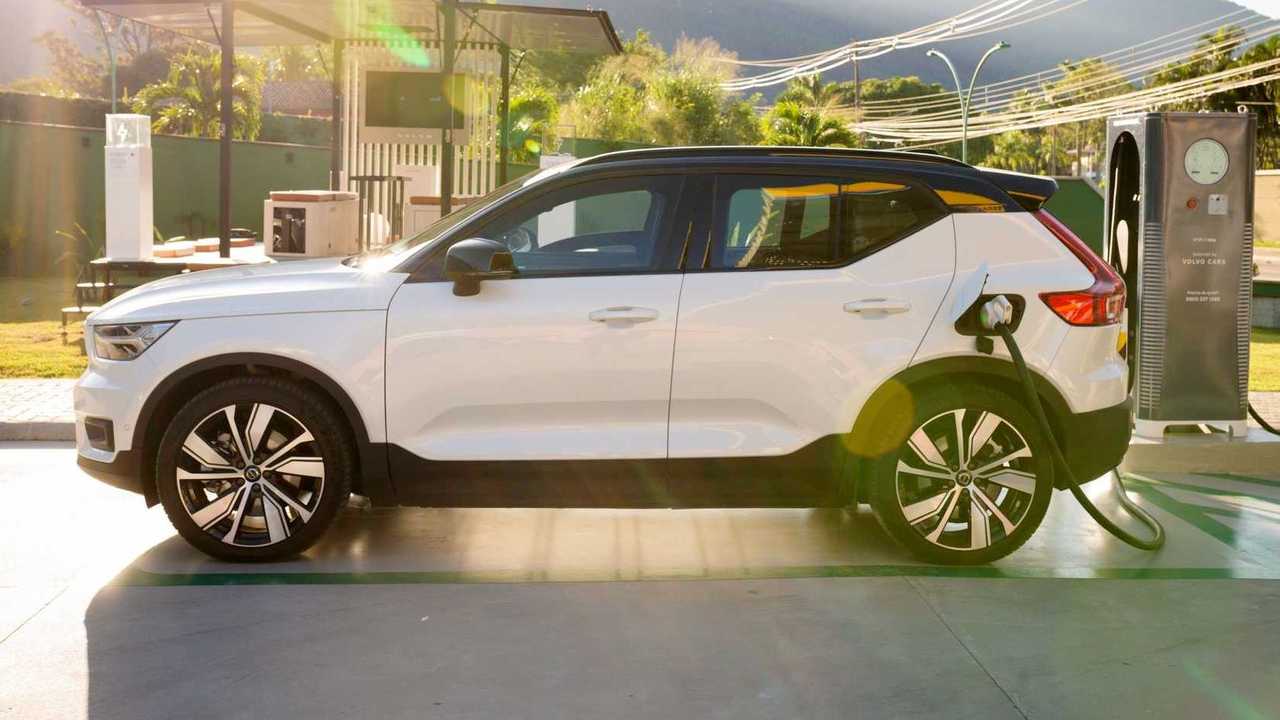
2022 Was Marked by a Major Advance in the Electric Vehicle Market. Although Not Everyone Owns One, Buying an EV Is Easier Than Ever. In Practice, This Is Due to Various Tax and Government Incentives, Along with Billions of Dollars in Investments from Automakers and Companies Worldwide.
For 2023, the Ongoing Expectation Is Very Positive. In Some Countries, Such as the U.S., for Example, the Initiative for Electric Vehicle Trade Comes from Both the Public and Private Sectors.
In August of Last Year, the U.S. Government Approved the Inflation Reduction Act, Which Has Already Had an Impact on the Electric Vehicle Industry, as Automakers Are Already Working to Expand Their Supply Chains and Factories. However, Due to New Aspects of the U.S. Tax Credit Rules, EV Sales Are Expected to Take Off Only in the First Quarter of This Year.
Under the New Bill, Qualified Electric Vehicles May Be Eligible for a Tax Credit of US$7,500 if They Meet Requirements Such as Being Built in North America and Having Acquired Critical Battery Materials from the U.S. or Countries with Free Trade Agreements.
-
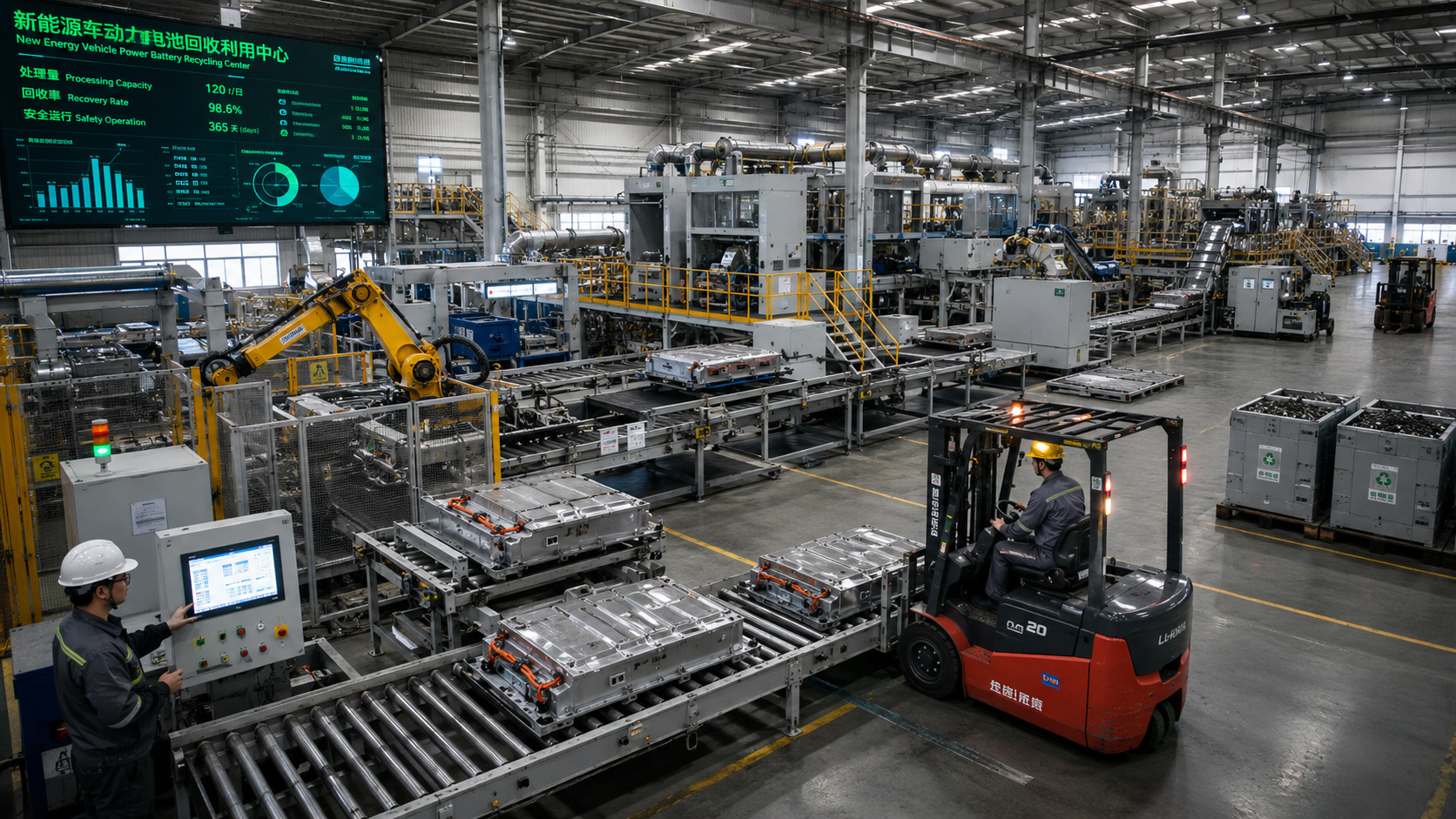
China has put millions of electric cars on the roads and now recycles up to 99.6% of used batteries, recovering lithium, nickel, and cobalt at levels that surpass Europe and the United States.

-
Chinese SUV priced at R$ 432,000 arrives in Brazil and challenges traditional models: GWM Wey 07 Dark Edition has 512 hp, over 5 meters, goes from 0 to 100 in 4.9 seconds, and aims to surpass SW4 in technology.

-
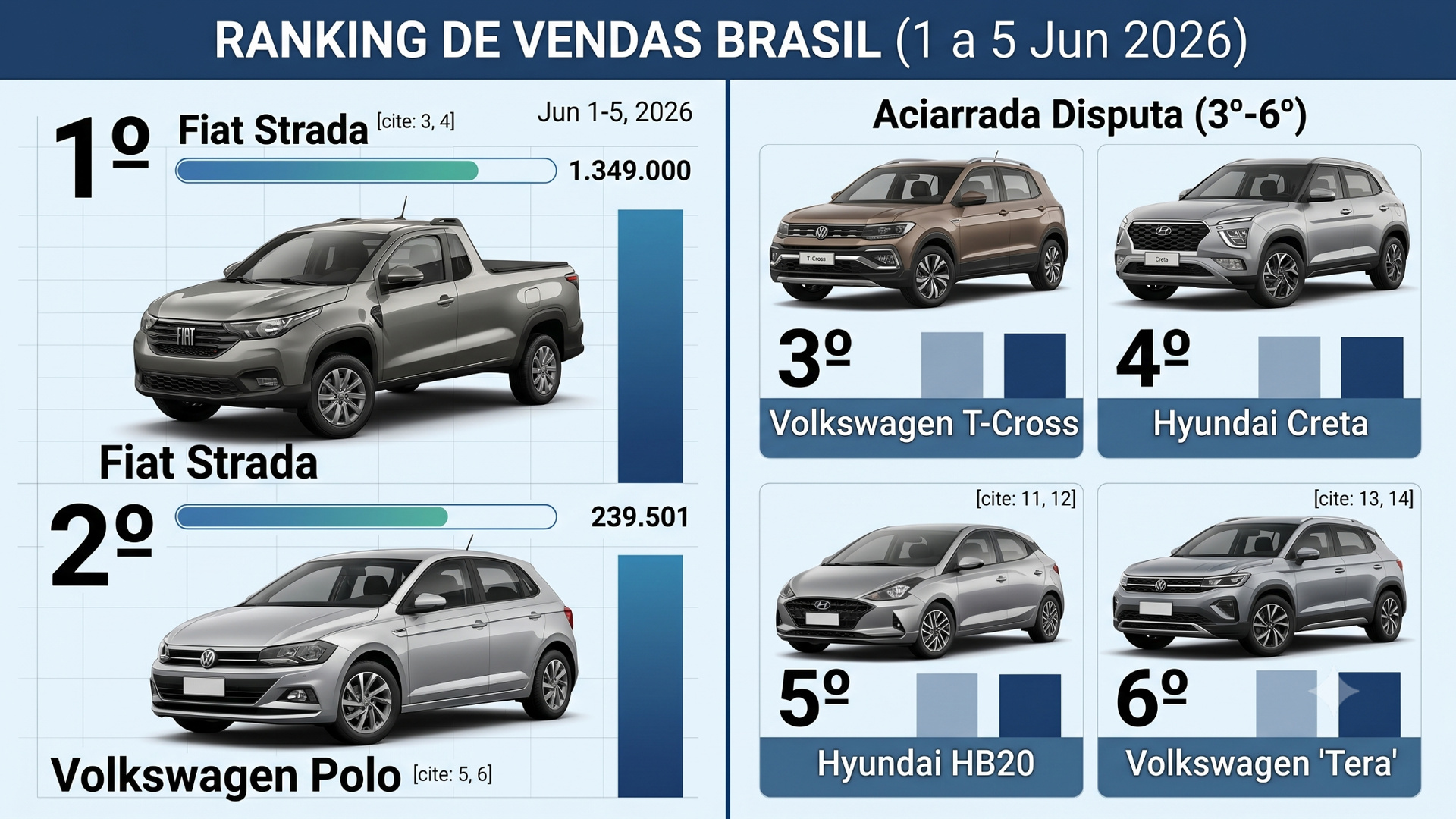
Currently best-selling cars in Brazil in June 2026: Fiat Strada leads the way, Volkswagen Polo catches up, and SUVs like T-Cross, Creta, HB20, and Tera intensify the competition in the national ranking.

-
Mitsubishi surprises the Brazilian market with cuts of up to R$ 55,000, expands bonuses for trade-ins, and pressures rivals in SUVs and pickups.


New U.S. Law Boosts the Electric Vehicle Market
The New Rules Regarding EVs Came into Effect on January 1, but the U.S. Treasury Department Delayed Guidance on the Critical Materials Rule Until March.
In 2022, When Automakers Were Struggling to Set Up Factories in the U.S., the Most Critical Materials Were Still Sourced from China. In This Scenario, They Need Time, Even Years, to Establish New Supply Chains. This Delay Means That a Whole Series of Electric Vehicles Manufactured in the North America Will Now Be Eligible for Full Reimbursement, at Least During the First Quarter of 2023.
Likely, the Biggest Beneficiaries of This Action Will Be Tesla and General Motors, as Their Sales Limits Under Previous Tax Incentives Will Be Waived with the New Rule. However, Other Companies Such as Nissan, Ford, Rivian, and Volkswagen Have a Line of EVs Built That Are Already Ready to Benefit from the New Law.
New Electric Vehicle Models in 2023
Electric Vehicle Sales in 2022 Were Dominated by the Models S, Y, and 3 from Tesla, the Chevrolet Bolt, and the Mustang Mach-E from Ford. In This Same Context, Almost All Automakers, Whether Large or Small Startups, Have Already Unveiled a Range of Incredible EVs for the Market in 2023, Ranging from the Alfa Romeo Tonale to the Indi One.
Although Most of Them Are Targeted at Luxury Consumers, It Is Likely That New Affordable Models Will Emerge in 2023. In Addition, As New Factories Come Online, a Huge Volume of EVs Is Expected to Be Available for Purchase on the Market. A McKinsey Survey Indicates That, by the End of 2023, Automakers and Startups Will Produce Up to 400 New Electric Car Models.
Finally, It Is Also Expected That the Used EV Market Will Grow in 2023. Thus, It Will Be Easier for the Average Citizen to Purchase an Electric and Eco-Friendly Car.






Be the first to react!