Portuguese
  Spanish


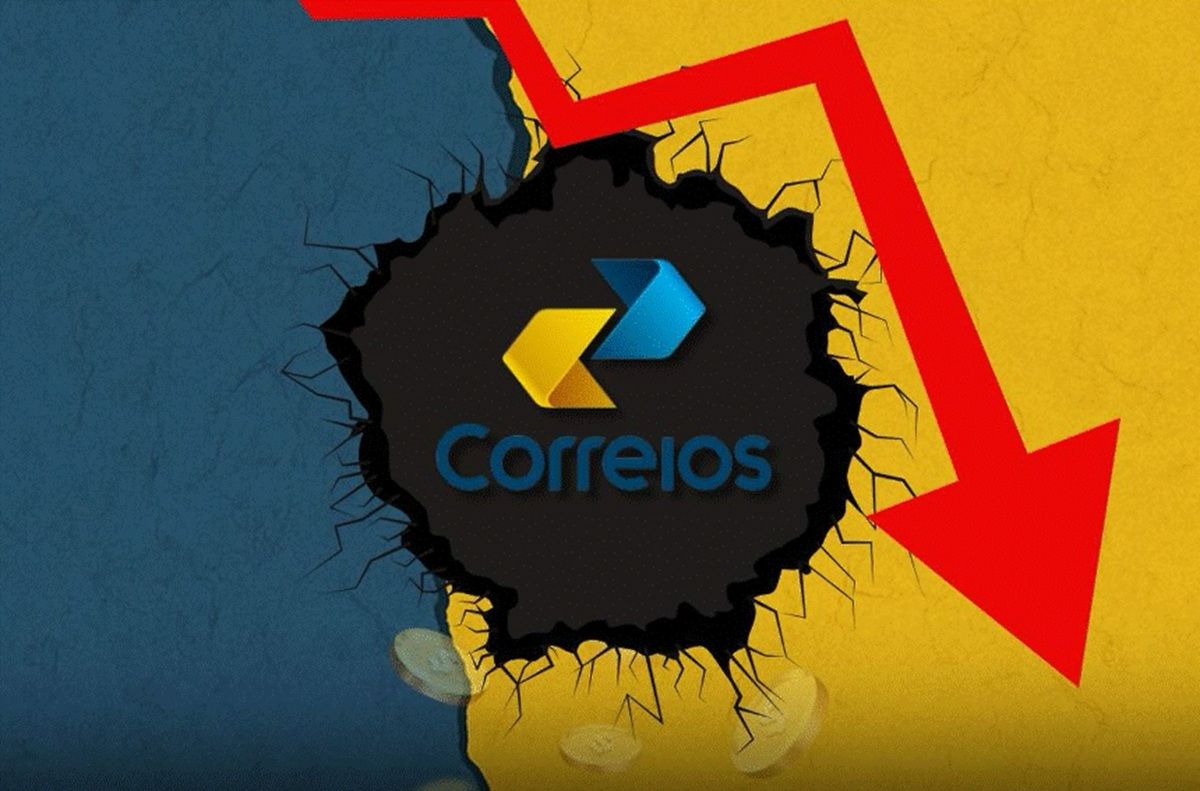


Internal Projections Indicate That, Without Restructuring and Planned Cuts, Correios May Face a Record Loss in 2026, Reinforcing the Need for a Billion-Dollar Loan to Stabilize the State-Owned Company and Avoid Another Shortfall
Correios has intensified mobilization after the approval of the restructuring plan by the new board this week. In the first move to contain projected losses, the company has increased its search for resources and highlighted that measures such as bank loans will be decisive to avoid a significant deficit in 2026.
Sources linked to the state-owned company indicate that the shortfall could reach R$ 23 billion if the actions are not executed.
Projected Outcomes and Planned Measures
The disparity between the expected results for 2025 and 2026 raises concerns within the company. In the year prior to the most critical scenario, the expectation is for a loss of around R$ 10 billion, a figure much lower than the projection for the following year.
-
Payment Infrastructure Expert Highlights Diverse Realities in Latin American E-commerce, with Card Usage Ranging from 89% in Ecuador to 50% in Colombia

-
Brazil’s Central Bank’s Tight Monetary Policy Risks Stifling Both Production and Demand Amid High Inflation and Fiscal Imbalance

-
Over a Century After the Sinking, US Takes Legal Action to Stop Auction of Over 100 Titanic Artifacts

-
Chinese Rail Port in Inner Mongolia Surpasses 25,000 China-Europe Trains, Connecting 75 Routes Across Over 10 Countries, Showcasing Central Corridor as a Strong Land Alternative to Long Sea Routes


The approved plan foresees actions such as a voluntary dismissal program and branch closures, deemed essential to facilitate the operational redesign.
Financial Negotiations
With the internal estimates in hand, Correios has initiated negotiations with public and private banks to secure the necessary resources.
Preliminary calculations indicate that at least R$ 20 billion will be needed to adjust processes, contain expenses, and rebalance the financial structure.
Among the planned steps, the inclusion of a bank loan is treated as a central piece for the state-owned company to advance in its strategy.
Prospects Starting from 2027
The plan projects that, if all measures are implemented, the company could return to profitability starting in 2027.
The goal is to restore financial stability, reduce liabilities, and recover investment capacity.
In this scenario, the full adoption of the planned actions and the realization of the bank loan are considered decisive to transform the deficit situation and reposition the state-owned company in the coming years.