Portuguese
  Spanish


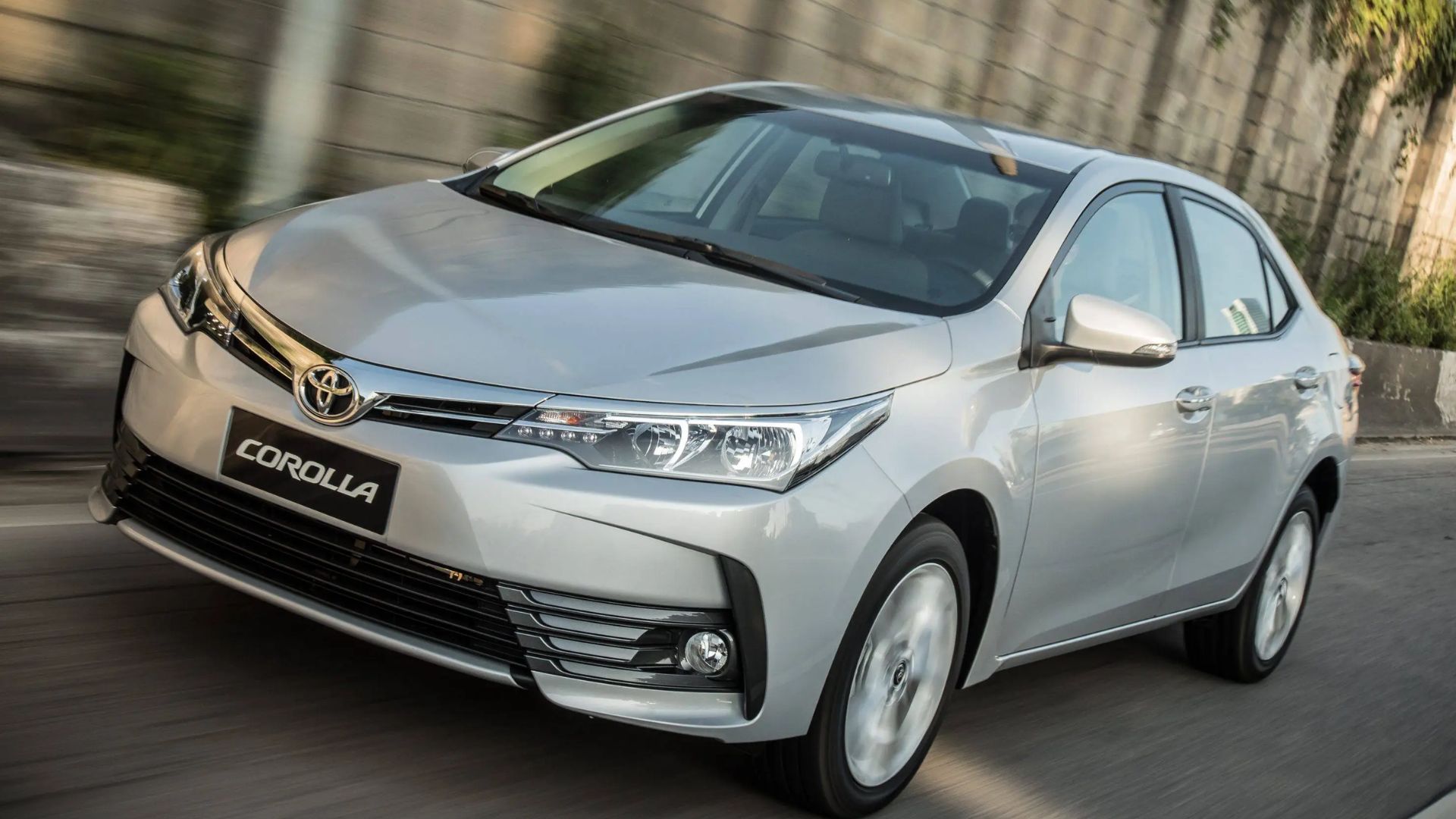

Models Criticized for Their Appearance Remain Valued in the Used Car Market for Practical Reasons Such as Reliability, Maintenance Costs, and Ease of Resale, Showing That Aesthetics Do Not Always Define a Car’s Long-Term Success.
Not always does a controversial design prevent a car from becoming a “favorite” in the used car market.
In a segment where mechanical trust, predictable maintenance, and ease of resale often weigh more than aesthetics, some models with a frequently deemed controversial appearance gain traction and, in certain cases, become sought after when in good condition.
This logic contrasts with a statement attributed to executive Sérgio Habib in an old interview when he was working in the automotive sector.
-
Volkswagen to Cut Production by 1 Million Cars by 2030, Reducing Jobs and Platforms, Focusing on More Profitable Models

-
Toyota Launches First 100% Electric Car in Brazil: bZ4X with 343 HP, All-Wheel Drive, 361 km Range, Priced at $419,990 BRL, Limited to 99 Units

-
Chinese SUV Achieves 24.4 km/l, Outperforms Toyota Yaris Cross in Real-World Tests with 224 hp Hybrid System, Offers 51-Liter Tank for Greater Range, and Costs Up to R$ 5,000 Less.
-
Uber Black Revamps Fleet, Drops Ten Car Models and Sets Deadline for Electric BYD Dolphin


According to the account, he said that Brazilians “like beautiful cars” and that “ugly cars, in Brazil, do not sell.”
The observation helps to open the debate, but the very landscape of streets and the behavior of used car buyers show that the criterion of “beauty” rarely stands alone.
Below are five examples of vehicles often cited as unattractive by the public but that maintain demand in the used market for practical attributes such as robustness, simplicity, and liquidity.
Toyota Etios in the Used Car Market
The Toyota Etios entered the market carrying the stigma of its appearance and became the target of comparisons with competitors of the time.
Still, the model accumulated arguments that gained weight over the years, especially among those who buy cars with the total cost of ownership in mind.
In the 2017 lineup, the Etios received relevant changes for the real life of the owner, such as updates to the mechanical set and the introduction of an automatic transmission, in addition to changes to the dashboard.
Later on, the range began to offer electronic stability and traction controls, items that changed the perception of safety and modernization of the model.

In the used car market, what pushes the Etios up is the package associated with the Toyota brand.
Factors such as durability expectation, simple mechanics, and reputation for predictable maintenance weigh heavily.
As a result, appearance becomes a secondary detail for many buyers in light of resale ease.
Chevrolet Cobalt and The Power of Known Mechanics
The Chevrolet Cobalt is another case where the design, especially in the front of the early phases, often causes strangeness.
Even so, the sedan found an audience for a set that serves well those who prioritize functionality.
Inside, the Cobalt delivers good passenger space and generous trunk, features valued by families and drivers who drive a lot.
In addition, part of its attractiveness comes from the use of motors from Chevrolet’s more traditional line in Brazil, associated with simple maintenance and a wide availability of parts.

This point weighs in a country with very different realities between capitals and interior cities.
In regions where the network of independent workshops is the primary alternative, cars with widespread mechanics tend to spend less time being off the road due to lack of repair or parts.
This helps sustain liquidity in the used market.
Among the most sought-after versions are those with automatic transmission, offered in the early part of the last decade in conjunction with the 1.8 engine.
Even so, manual versions continue to find buyers relatively easily.
Fiat Uno Mille and The Appeal of Simplicity
The Uno line is an icon of the Brazilian market, but the Mille in its final phase received aesthetic changes that not everyone liked.
The model, which already bore decades of road experience, underwent a redesign in the early 2000s that altered the front and interfered with the harmony of the original design.
Despite that, the Mille remained relevant for an objective reason.
It was one of the most accessible options for those needing a car that was simple, easy to repair, and cheap to maintain.

In practice, the consumer seeking a vehicle for heavy use and work routine was not always willing to pay more just for a more modern design.
The farewell came about due to a regulatory change.
The requirement for ABS brakes and dual front airbags in new vehicles sold in Brazil came into effect starting in 2014.
This pressured older projects that could not absorb the safety package while keeping prices low.
As a result, the Mille exited the scene as a new product but remained alive in the used market.
The demand can be explained by a well-known package.
Simple mechanics, wide availability of parts and maintenance, and a history of intense use continue to attract buyers.
Old National Corolla and Constant Valuation
The presence of a Corolla on this list may come as a surprise, since the sedan usually has the image of a desirable car. Here, however, the focus is specific.
The generation that inaugurated Brazilian production, made between 1998 and 2002, was marked by straighter and more conservative lines than some rivals of the time.
The choice of a more discreet design was part of a strategy to please a wide audience.
This made the car visually less striking compared to sedans with a more modern proposal at the time.
Over time, the perception changed.
What might have sounded plain to some turned, for others, into a sign of sobriety and less outdated aging.
In the used market, this generation of Corolla is often sought after for its combination of reputation for reliability and mechanical durability.
Well-preserved units tend to attract attention and usually sell quickly.

Hyundai Creta and The Aesthetics That Divide Opinions
Among the more recent examples, the Hyundai Creta shows how the market can separate opinions on design from purchasing decisions.
The SUV consolidated its presence in sales and maintained commercial strength even after aesthetic changes that divided public opinion.
The discussion about headlights, grille, and taillights gained ground.
Still, the demand continued, fueled by practical factors.

Factors such as high driving position, good interior space, availability of automatic versions, and versatility for urban and highway use weigh in.
In the used car realm, versions with a 2.0 aspirated engine appear as an option valued by some buyers.
The reason lies in the more familiar mechanics and potentially more straightforward maintenance, provided the car has a history of revisions and good overall condition.
Even so, price, mileage, condition, and equipment tend to weigh more than aesthetics at the negotiation moment.
In the end, when these models change hands quickly, what matters most to most buyers: an eye-catching design or a set that avoids headaches in daily life?