Portuguese
  Spanish


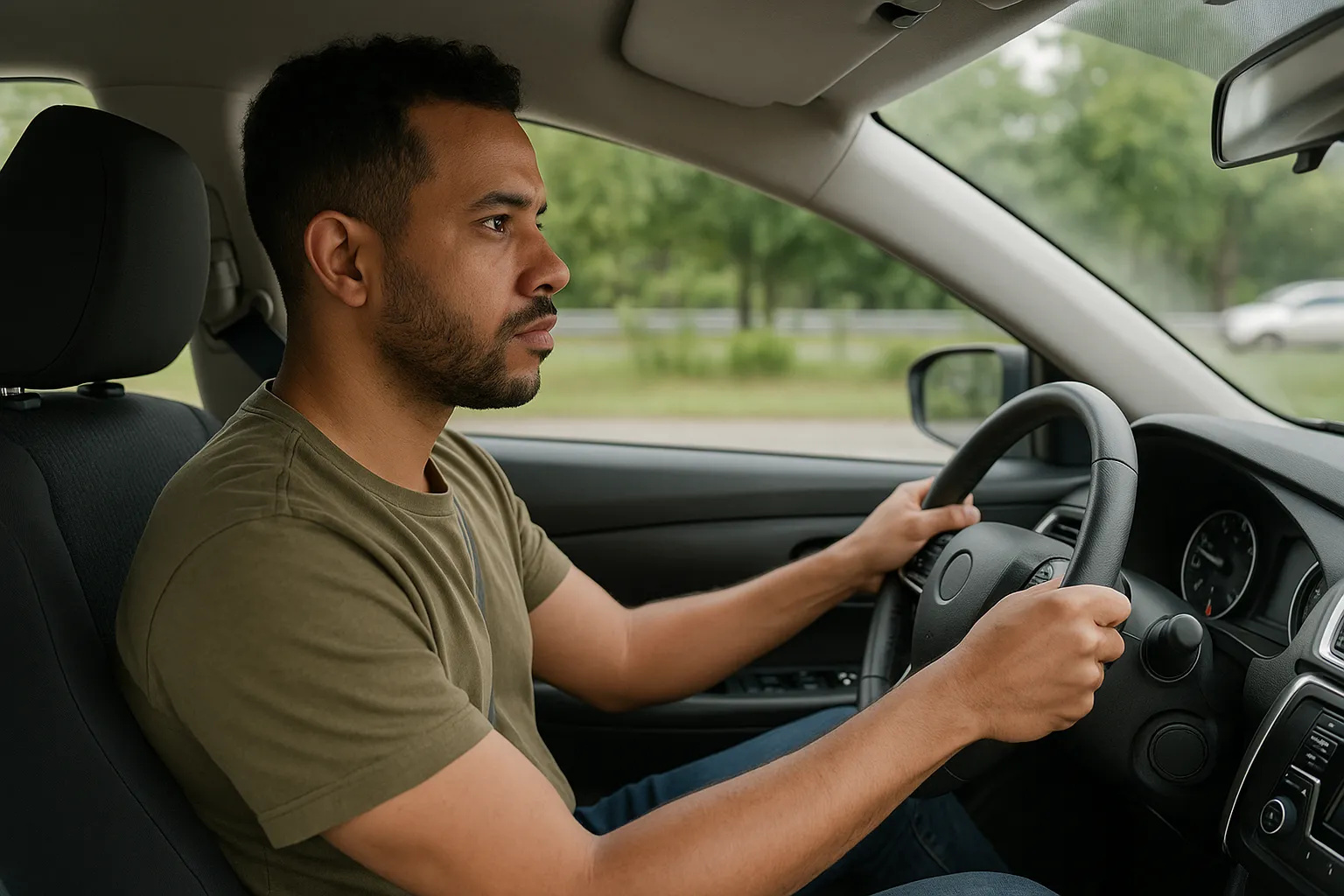


Have you ever wondered why your car seems to consume more fuel than usual, even on routine trips? Often, the answer lies in small driving habits that go unnoticed, but in the end, they weigh on your wallet. Fuel consumption is not only dependent on the vehicle’s technology or the fuel price, but also on how you drive. By understanding which behaviors hinder efficiency, it is possible to save money without needing to change cars or cut trips.
Driving Habits That Increase Consumption
Among the factors that most influence excessive fuel consumption are driver behaviors that could be easily adjusted. Some of them have become routine, but every sudden acceleration or neglect in maintenance has a direct impact on the tank.
Accelerating and Braking Abruptly
One of the most common — and also most harmful — driving habits is the rush to start or stop the car abruptly. This behavior requires greater effort from the engine, causing consumption to spike. In urban driving, with many traffic lights, this behavior can increase fuel usage by up to 40%. Moreover, it causes wear on brakes and tires, multiplying maintenance costs. A driver who is more attentive to the flow of traffic, who gradually slows down and anticipates braking, can keep the car balanced, saving fuel and parts.
-
Thinking of Installing LED Headlights? Why Replacing Halogen Bulbs is Still Banned, the Glare Risks Authorities Worry About, and How a New Proposal Could Allow Certified, Safe Installations

-
2027 Toyota Corolla Cross Unveiled: New Design, Enhanced Fuel Efficiency, Reduced Maintenance Costs, Advanced Technology, Connected Services, and Up to 10-Year Warranty

-
Fiat Cronos Precision 2018: Affordable Sedan with Spacious Trunk and Reliable Maintenance
-
Volkswagen to Cut Production by 1 Million Cars by 2030, Reducing Jobs and Platforms, Focusing on More Profitable Models





Keeping the Car Idling for Too Long
Leaving the vehicle running while waiting for someone or making small stops is another frequent mistake. In a few minutes, it seems harmless, but in the long run, it represents wasted liters. An engine running unnecessarily continues to burn fuel without offering movement. App drivers, for instance, often leave the car running while waiting for rides and end up spending without realizing it. The ideal is to turn off the engine whenever the wait exceeds two minutes.
Constantly Exceeding the Speed Limit
Driving at high speeds may even feel liberating, but it damages your wallet. This is because air resistance increases exponentially with higher speeds, forcing the engine to consume more. The difference between driving at 90 km/h and 110 km/h can mean up to 20% additional fuel consumption. Maintaining a moderate speed, especially on highways, ensures savings and also increases the safety of the trip.
Incorrect Use of Air Conditioning
The comfort of air conditioning is tempting, but it is also a silent villain of fuel consumption. At low speeds, driving with windows open can be more economical, while on highways, the opposite is true, as air resistance increases. Many drivers keep the air conditioning running at maximum unnecessarily, which can mean up to 15% more fuel consumed. Adjusting ventilation evenly helps maintain comfort without draining the tank.
Improperly Inflated Tires
It may seem minor, but driving with tires below the correct pressure increases friction with the ground, requiring more effort from the engine. With every kilometer traveled, the waste accumulates. Under-inflated tires can increase consumption by up to 10%, in addition to compromising vehicle stability. Tire pressure should be checked regularly, preferably when the tires are cold, following the manufacturer’s recommendation. It is a simple, quick habit that has a significant impact on savings.
Small Changes, Big Savings
Adopting more conscious driving habits does not require large investments. On the contrary: it’s a practical way to extend the life of your car, save on fuel, and contribute to the environment. By reducing unnecessary accelerations, avoiding leaving the car running unnecessarily, keeping tires inflated, and using air conditioning wisely, you will already notice a significant difference.
Another important point is preventive maintenance. Dirty air filters, worn spark plugs, and expired oil also directly influence engine efficiency. A well-maintained car, combined with calmer driving, can save hundreds of reais per year.
Saving on fuel does not have to mean giving up comfort or speed. It’s about developing a smarter relationship with the steering wheel and understanding that each habit has a cost. While driving more smoothly might add minutes to your trip, it guarantees fewer visits to the gas station and less hassle with repairs.
In the end, the great advantage is realizing that you have control over your expenses. It’s not just the heavy traffic or the price at the pumps to blame. A conscious driver can turn their driving style into an ally for savings, making every kilometer traveled more efficient. It’s worth remembering: driving well does not just mean reaching the destination, but doing so safely, responsibly, and economically.