






 Portuguese
  Spanish




A Practical Guide to Choosing Used 1.6 Cars That Are Easy and Cheap to Repair, Prioritizing Price and Availability of Parts, Service Time, and Workshop Network
The “workshop bill” usually appears with the first scratch on the bumper. Therefore, those seeking a used 1.6 car should look beyond power and fuel consumption, evaluating repairability, price of light collision components, and service time. These factors, combined with availability of parts and service network, explain why some car models cause less headache post-purchase.
Historically, the automotive sector uses standardized low-speed tests to measure typical damage from urban collisions. These tests, structured by international organizations, help compare extent of damage and repair complexity, indicating cost trends of interest to workshops, insurers, and consumers.
In Brazil, repairability rankings have gained visibility in previous years, but recent public lists are scarce. The best approach today is to use the logic of these studies as a technical reference, cross-referencing with real parts quotes, labor time, and maintenance history for each vehicle before purchase.
-
Sales of Brazil’s Cheapest Electric Car Halted Before First Deliveries: E-Motors Suspends Emova Easy Due to Import Tax Increase and Rising Freight Costs

-
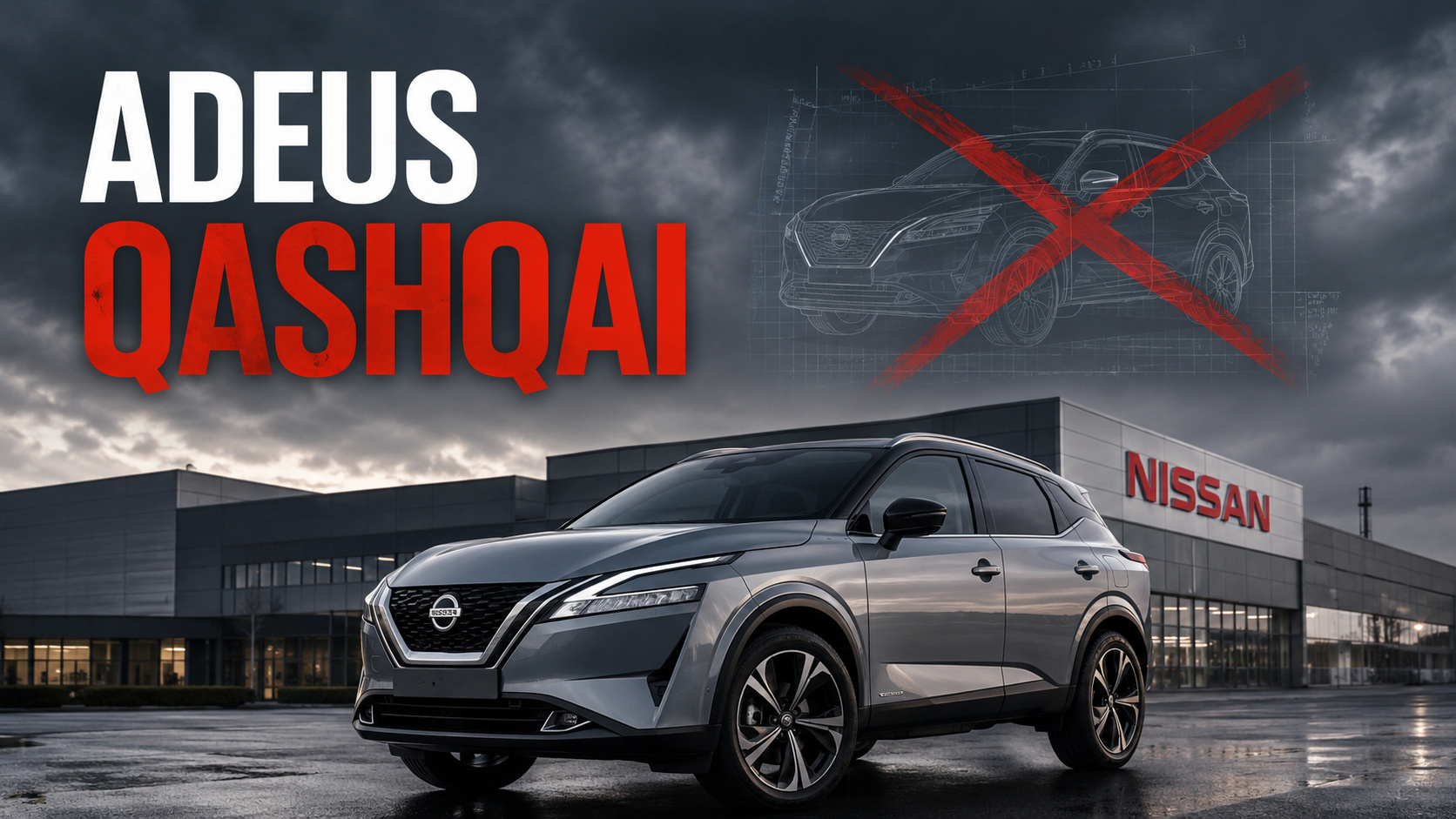
Nissan Discontinues Qashqai SUV Amid Cost-Cutting, Chinese Competition, and Product Line Review

-
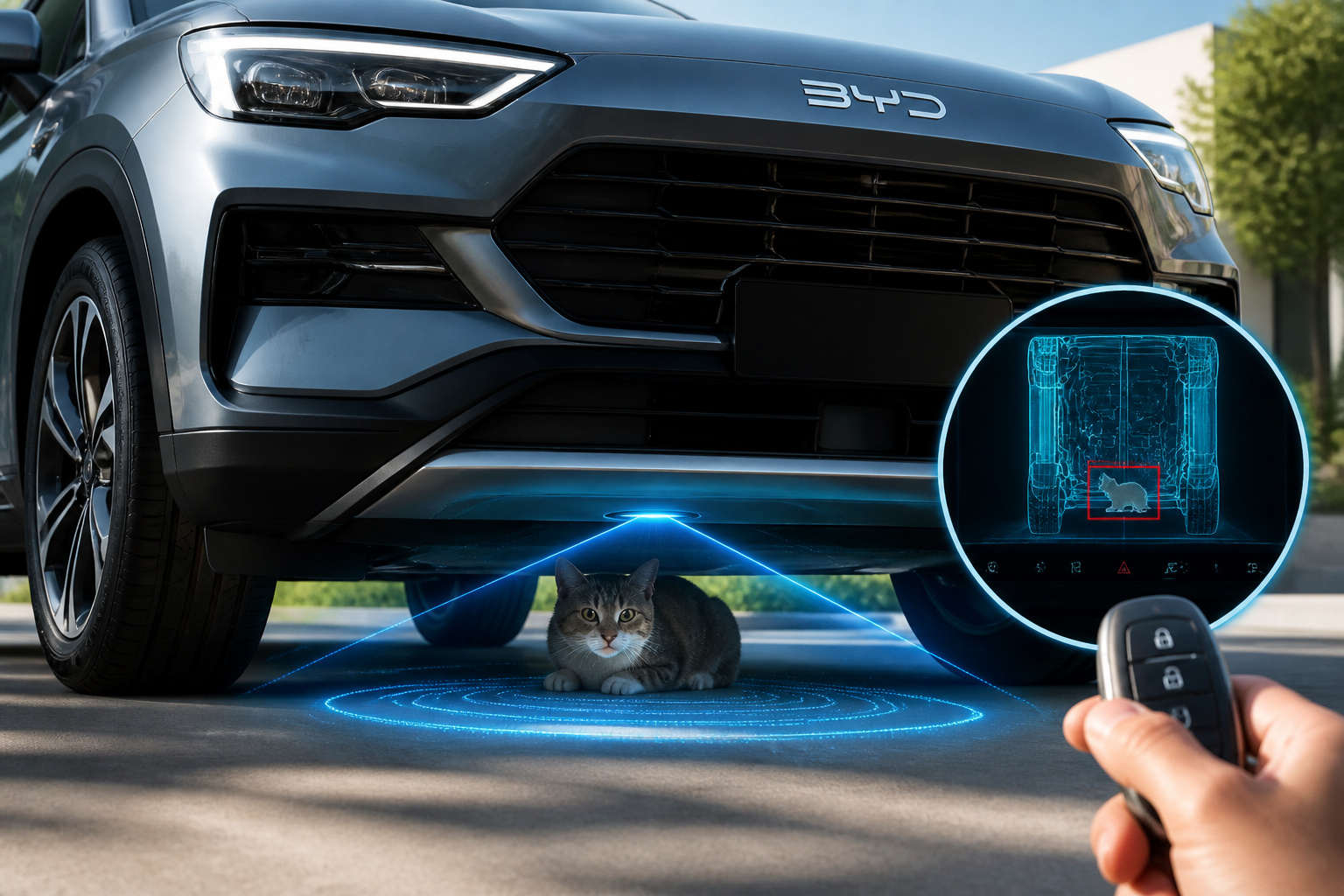
BYD Patents Revolutionary System Using Computer Vision to Detect Animals Under Cars Before Starting, Preventing Tragedies

-
Study Reveals Why Cars Are More Expensive to Produce and Buy in Brazil Compared to Mexico, Highlighting Taxes, Logistics, and Industrial Costs as Key Factors.


6 Used 1.6 Cars with Cheap Maintenance and Affordable Parts
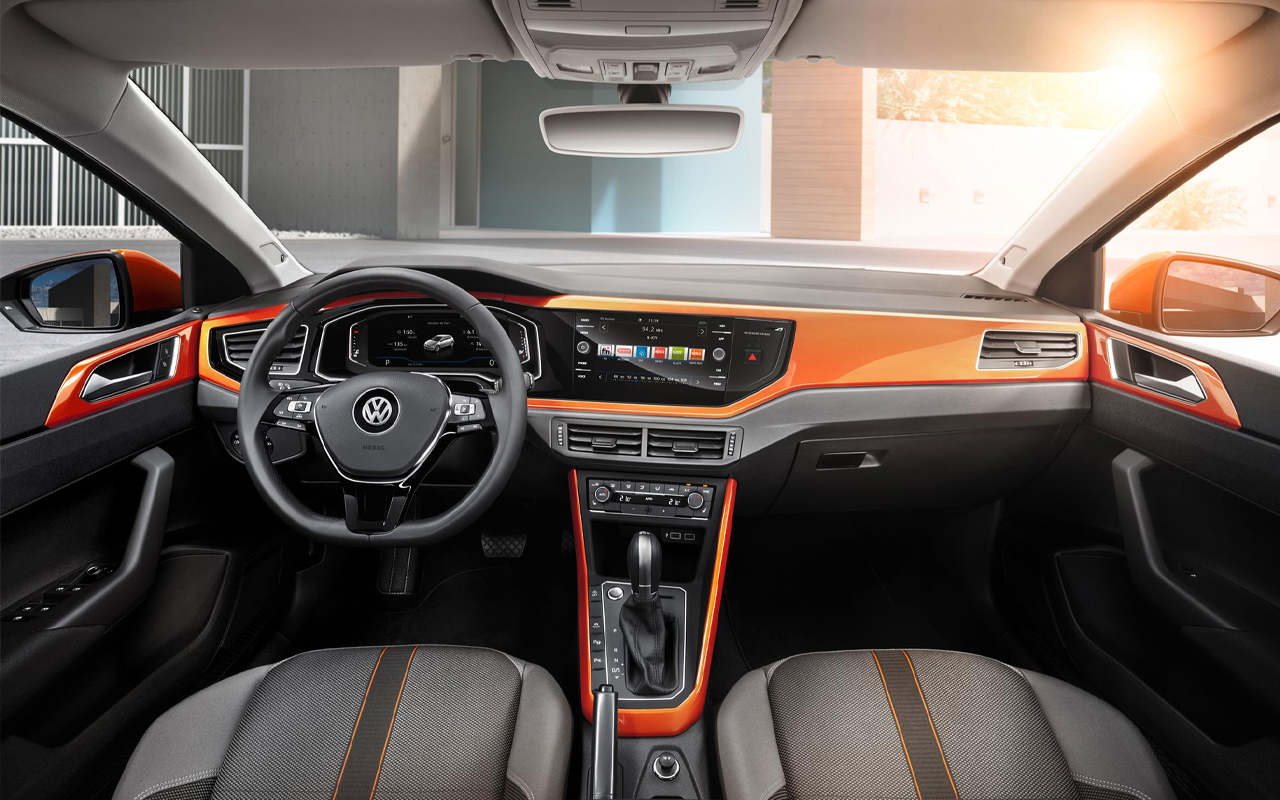
Volkswagen Polo 1.6 MSI
The Polo 1.6 MSI makes the list due to its good availability of parts and its favorable repairability history reported in previous years in the technical press. In practice, this translates into more predictable budgets for common bodywork repairs. In light collisions, items like bumpers, headlights, grille, and hood usually have ample supply in the replacement parts market, which helps with timing and cost.
Before buying, check the optical sets and the front kit for the specific year and version since small phase changes can alter codes and prices.
Hyundai HB20 1.6
The HB20 1.6 benefits from a wide service network and a high circulating fleet, factors that generally mean affordable parts and short lead times. Independent workshops are accustomed to basic front and rear disassemblies. The robust supply of bumpers, headlights, and taillights reduces immobilization time after minor urban accidents.
In the quote, compare original and equivalent replacement parts and confirm compatibility using part number to avoid surprises at the counter.
Nissan Versa 1.6
The Versa 1.6 stands out for its simple body architecture and high turnover components with competitive prices. In urban collisions, replacing bumpers, supports, and optical sets tends to be straightforward, helping to control final costs. The model’s widespread presence in workshops facilitates access to standardized procedures and ready-to-ship parts.
Prioritize quotes for the complete front assembly and check delivery times in your area to gauge service time.
Renault Logan 1.6
The Logan 1.6 is known for its simple design and for sharing parts with other models of the brand, which increases availability in the aftermarket. This usually favors quick replacements of external items after traffic bumps. Taillights, bumpers, and simple bodywork help keep labor and parts at competitive levels.
Check the grilles, supports, and reinforcements of the front assembly and compare prices between local and online distributors to ensure the best deal.
Ford Fiesta 1.6
Even out of production, the Fiesta 1.6 remains with a plentiful stock of components thanks to its large circulating fleet. In light collisions, this enables quick repairs at relatively low costs for bumpers, headlights, and the hood. The workshops’ familiarity with the model contributes to shorter service times for recurring disassemblies.
When evaluating the used car, check hood and fender alignments and compare parts from the exact year to avoid fit differences.
Renault Sandero 1.6
The Sandero 1.6 rounds out the list by combining popularity with shared parts from the Logan, increasing availability and shortening lead times. In low-speed collisions, replacing plastic and optical items tends to be straightforward. The extensive supplier network favors competitive pricing and access to equivalent quality parts when needed.
Before purchase, confirm headlight, bumper, and support references by VIN or catalog and ask the workshop for a hour estimate for the service.
Reinforce the analysis with a local check: depending on the region, one model may have cheaper parts than another. Compare prices and lead times from physical and online distributors, and ask the workshop which items break most frequently in bumps at 15 km/h to prioritize quotes.
How to Evaluate Repairability and Repair Costs in 1.6 Cars
The first step is to price light collision parts that are most often damaged in traffic bumps: bumpers, headlights, taillights, grille, and hood. Get quotes from three different suppliers, considering both original parts and equivalent quality replacements. Stores and distributors in the Brazilian aftermarket are highly relevant and allow for swift comparisons of lead times and prices.
Next, ask a trusted workshop for a service hour estimate to replace these items. The design of the body and accessibility of fasteners can shorten or lengthen disassembly times, directly influencing the budget. In international low-speed tests, the impact at 15 km/h is specifically designed to expose design differences that create greater or lesser damages and, consequently, cheaper or more expensive bills.
It is also worth checking the service network and circulating fleet. Popular models tend to have abundant parts and shorter lead times, which reduces the time the car is out of service. Industry reports show that the replacement parts market remains robust and growing, supported by the volume of vehicles in circulation and the dynamism of the used car trade.
Finally, check the maintenance history and any recalls for the desired unit. A car with poorly executed previous repairs can distort the cost perception. If possible, take the vehicle for a pre-purchase inspection before finalizing the deal to avoid surprises after purchase.
Insurance and Minor Accidents: Why Repairability Affects Your Wallet
Low-speed accidents are more frequent than severe collisions and, therefore, contribute to the aggregate repair costs evaluated by insurers. International standardized tests exist precisely to encourage designs that better protect expensive components in urban collisions, keeping the bill at lower levels. When there are fewer damages and simpler replacements, the budget decreases, and the car returns to routine faster.
In Brazil by 2025, the used car market remains very active, and the competition for predictable maintenance models increases. In both passenger and light commercial segments, the pace of used car transactions continues to surpass new car sales, reinforcing the importance of choosing wisely to avoid excessive post-purchase expenses.
For the driver, this translates into more predictable budgets, potential impacts on deductibles, and shorter immobilization times. Even though insurers use their own statistical models, the technical logic remains the same: smaller damages from urban bumps tend to mean cheaper repairs over time.
Quick Checklist to Confirm Repairability Before Buying
Start by listing the target parts for light collision of the desired model and year and make three quotes for each one. If the prices are too high, consider adjacent versions or another model from your list. In parallel, ask the workshop for a service hour estimate for disassembly and reassembly of bumpers, headlights, supports, and the hood, as service time significantly impacts the total.
Next, simulate insurance for your profile and ZIP code. Although insurers do not show this calculation, the expected repair costs are factored into the analysis and can influence the final value throughout the usage cycle. If the difference between two models is small at purchase but significant at the workshop, prioritize the one that repairs cheaper.
Finally, take the car for a pre-purchase inspection and do a careful test drive looking for signs of poorly executed previous repairs. Hood alignment, fender gaps, paint with tone variation, and loose plastic fasteners indicate prior bodywork that may increase future maintenance costs. If in doubt, seek a second opinion.


