






 Portuguese
  Spanish


At Chabrière Park, in Oullins-Pierre-Bénite, France, the DNA association organized a barbecue marathon with five grills, 49 volunteers, and a menu featuring merguez, beef ribs, pulled pork, and sausages, combining a world record, large audience, and charitable action
A 74-hour continuous cooking barbecue stirred Chabrière Park, France, from noon on Thursday, April 30, 2026, until 2 p.m. on Sunday, May 3, 2026.
The mark surpassed the previous record, which belonged to Americans and was nearly 41 hours. At the end of the marathon, the organizers celebrated the achievement of the title of the world’s longest barbecue.
The event was organized by the local association. The proposal was to bring together the public, food, and solidarity on a large scale.
-
Man Takes on Swarms in Singapore, Saves 6 Million Bees and Encourages Locals to Choose Conservation Over Pesticides

-
In Brazil’s Arid Northeast, Vineyards Now Produce Wine Grapes Year-Round, Accounting for 98% of the Country’s Grape Exports

-
China Limits Brazilian Meat Imports After Returning 20 Soybean Ships, Causing Factory Shutdowns and Concerns in Brazil’s Meat Industry

-
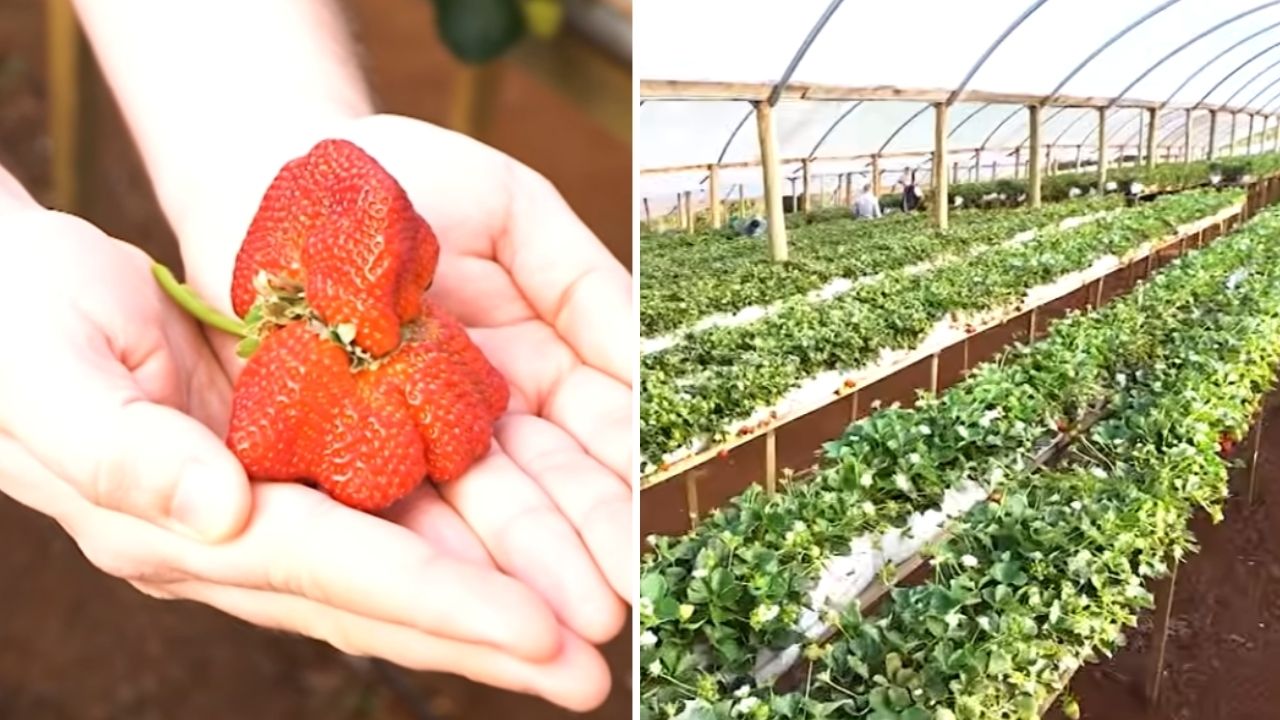
Brazilian Producer Adopts Hydroponic Strawberry Farming in Western Paraná, Achieving Year-Round Harvests and Becoming a Model for Continuous Production


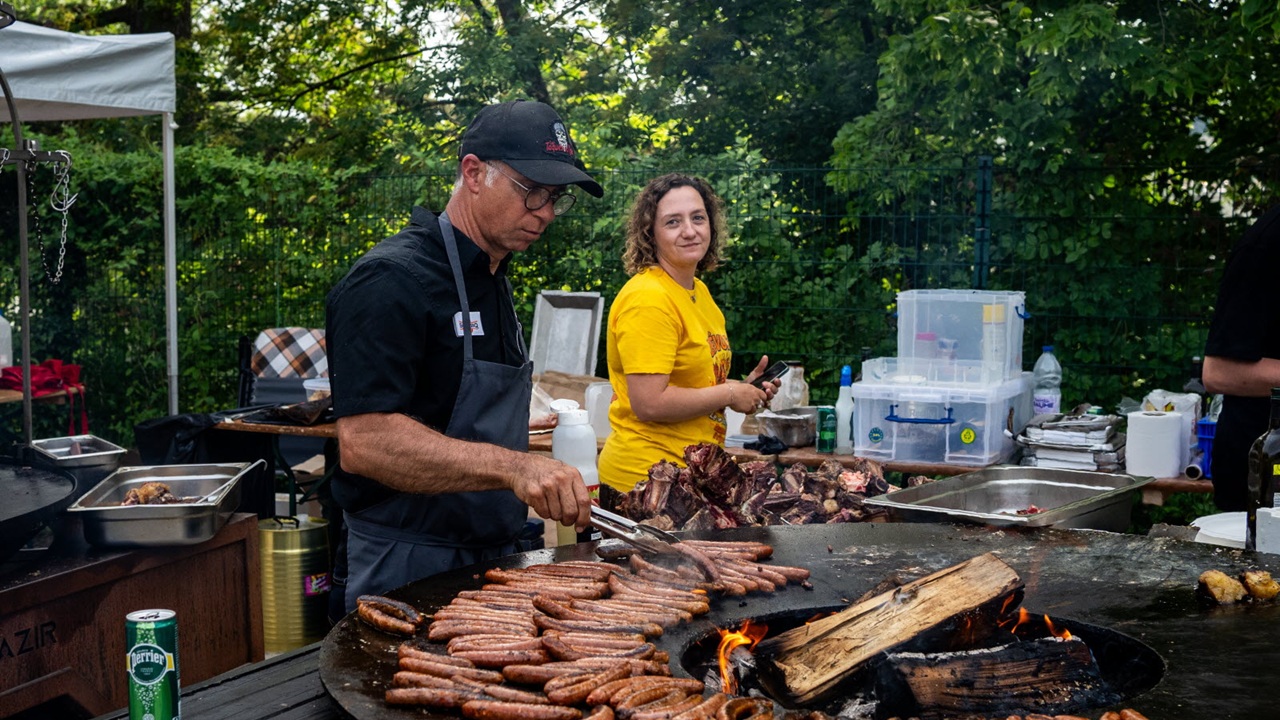
Meat, volunteers, and five grills kept the marathon going
Cyril Leroy, two-time French barbecue champion, was responsible for the five grills used during the event. The menu included merguez, beef ribs, pulled pork, and sausages.
To keep everything running without interruption, 49 volunteers worked continuously in the park during the three-day program. The operation required constant replenishment, grill control, and public service.
The initial estimate was to prepare 1.5 tons of fresh meat. However, the turnout was greater than expected. In the first few hours, stocks ran out, and teams urgently needed to find new suppliers.
The final volume reached 3.4 tons of prepared meat, more than double the forecast. Additionally, 10,500 meals were served over the weekend, a number that shows the scale of the mobilization.
“It was a challenge to find a supplier capable of providing us with such a large amount of fresh meat,” said Maxime Balouzat to Le Progrès before the event.
Event also had a charitable focus
Besides the record, the barbecue had a charitable nature. The initiative was in partnership with Restos du Cœur, Red Cross, Salvation Army, and DNA Association.
Of the 10,500 meals served, 700 were distributed free of charge during the night to police officers, firefighters, and people in vulnerable situations.
The proceeds will be destined to Drôle de nom pour une association, known as DNA, an institution that works on the inclusion of people with disabilities.
The comedian, actor, and French producer Jason Chicandier, patron of the entity, was present throughout Saturday, May 2, supporting the cause.
The strongest memory there was in the reactions of the public. “What I will remember most are the thousands of smiles and tears of joy we saw over the weekend.”
Why this type of event draws attention
Long-duration gastronomic events draw attention because they combine logistics, food safety, teamwork, and the ability to serve large audiences.
In a barbecue of this magnitude, the challenge is not only to keep the fire burning but to ensure supply, continuous preparation, queue organization, and meal distribution.
When the action also has a charitable nature, the impact goes beyond the record: food becomes a tool for social mobilization, bringing together volunteers, institutions, and the community, and transforming a popular celebration into a concrete opportunity to support people in need.
With information from leprogres.


