Portuguese
  Spanish


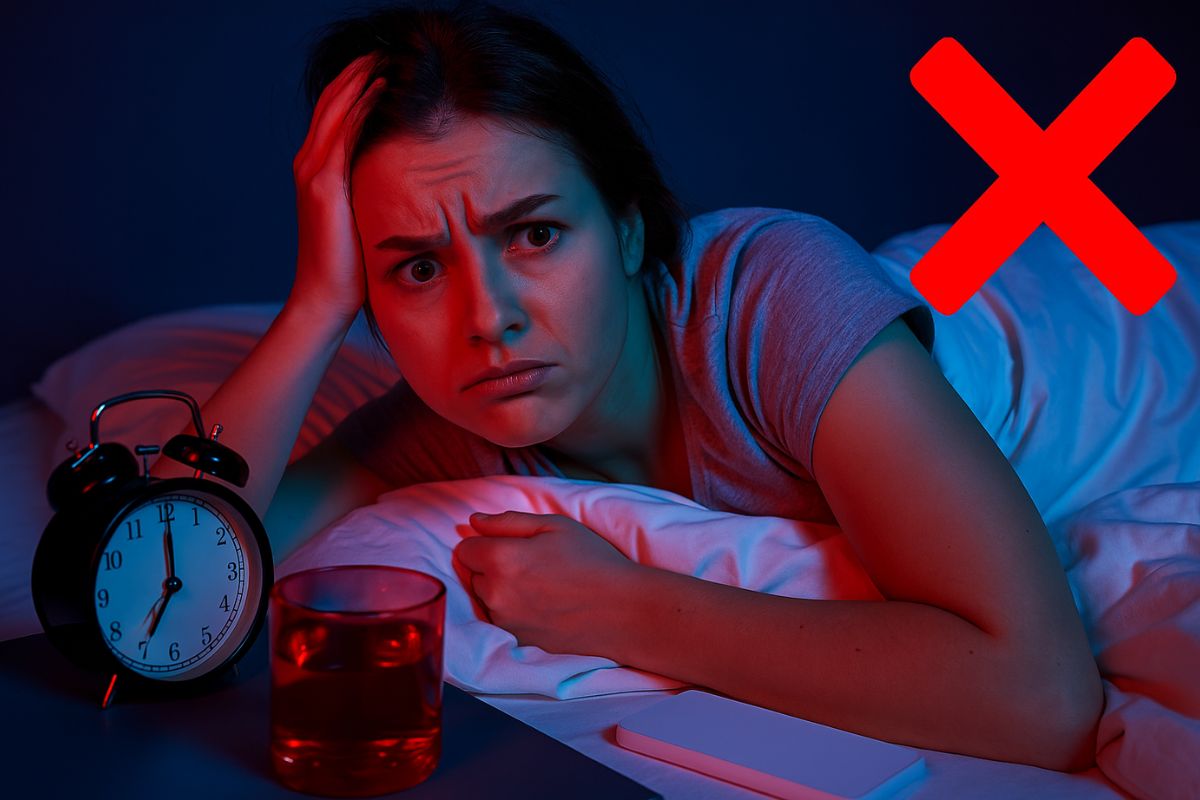

Experts Warn: Small Behaviors at Night Can Deeply Compromise Sleep Quality and Mental Health
8 Nighttime Habits That Disrupt Sleep are more present in daily life than many realize. Poor sleep has ceased to be an exception and has become a recurring problem among adults and young people. Most ignore that the path to healthy sleep begins hours before bedtime.
Research from Harvard Medical School and the American Psychological Association confirms that factors such as screen use, heavy meals, and lights on directly interfere with deep sleep and melatonin production. Small lifestyle changes can make all the difference.
Eating Too Much Before Bed

Heavy meals at night force the body to work intensely when it should be relaxing. This causes discomfort, reflux, and insomnia. Avoid large portions up to 3 hours before bedtime.
-
Brazilian Airport to Receive $2.8 Million Investment, Completion Expected Within a Year

-
UN Warns of AI’s Environmental Impact and Calls for Greater Corporate Transparency

-
Former Atacadão Employee Turns Online Cake-Baking Lessons into a Confectionery Brand with Factory, Store, Delivery, and Nearly $400,000 in Revenue
-
Brazilian Startup Sells Nearly 9 Million Surprise Bags of Near-Expiry Food, Prevents Thousands of Tons of Waste, Aiming for $42 Million Revenue by 2026




Using Screens on Your Phone or Laptop in Bed

The blue light emitted by phones and laptops reduces melatonin production, according to Harvard Health Publishing. This delays sleep and disrupts the circadian rhythm. The ideal is to avoid screens at least 1 hour before bedtime.
Sleeping with Lights On
Even a dim light, like that from a lamp, can disrupt sleep. The body perceives light as a signal to be awake, decreasing hormonal production. Total darkness is the best ally for deep sleep.
Drinking Alcohol Before Bed
Despite the initial feeling of relaxation, alcohol fragments sleep and reduces the REM rest time, according to The Conversation. This affects memory consolidation and emotional recovery.
Taking Problems to Bed
Lying down thinking about problems activates the brain and prevents relaxation. The American Psychological Association states that stress is one of the biggest villains of sleep. Techniques like meditation or writing can help clear the mind.
Sleeping in an Unfavorable Environment

Poor temperature, an uncomfortable mattress, noise, and inadequate bedding harm sleep. A dark, quiet, cool room with comfortable pillows promotes physical and mental relaxation.
Having Irregular Bedtimes
Going to bed at a different time each day messes up the biological clock. According to Harvard Medical School, the body needs regularity to synchronize the circadian rhythm and maintain a balanced metabolism.
Napping Too Much During the Day
Long or untimely naps disrupt nighttime sleep. Mayo Clinic recommends short naps of up to 30 minutes, preferably in the early afternoon. Avoid sleeping for more than an hour during the day.
Do you have any of these habits? Which one disrupts your sleep the most currently?