Portuguese
  Spanish


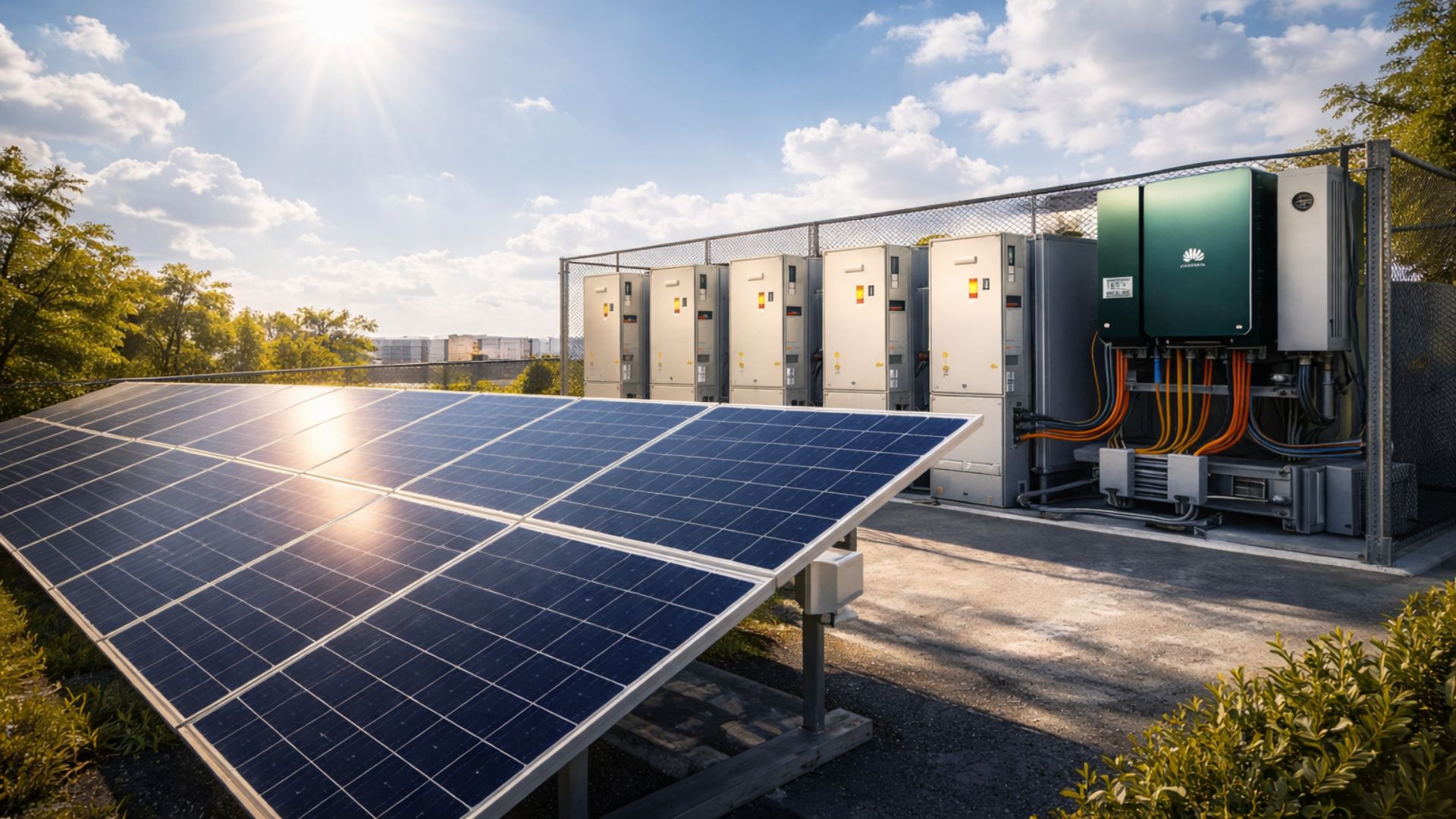

Commercial Buildings in Brazil Adopt Battery Systems with Smart Storage and Solar Energy to Reduce Electricity Costs, Increase Energy Efficiency, and Make Buildings More Sustainable and Competitive.
A commercial building in Salvador (BA) has become a national reference in energy efficiency by adopting battery systems with smart storage, integrated with solar energy, capable of reducing electricity costs by 15% to 20%. According to an article published by Portal Solar this Monday (02), the initiative was implemented in the Civil Towers building and demonstrates, in practice, how technology can transform energy management in commercial buildings in Brazil.
Battery Systems and Smart Storage Boost Energy Efficiency in Buildings
The project combines financial savings, sustainability, and technological innovation. In a scenario of high tariffs, especially during peak hours, the solution arises as a concrete response to reduce operational expenses and optimize energy consumption.
The Civil Towers building received battery systems with a total capacity of 215 kWh of storage and 108 kW of installed power, integrated with a solar energy system of 42 kWp. This infrastructure allows the facility to store energy during lower cost periods and use that electricity during the more expensive hours of the day.
-
World’s Largest Engie Solar Plant in Brazil Highlights Billion-Dollar Energy Waste Issue: Company Considers Batteries and Bitcoin Mining to Avoid Wasting Production

-
Over 60 Tractors Take to the Streets in Lopera as Solar Parks Compete with Olive Groves, Affecting 13,000 to 100,000 Trees According to Conflicting Reports

-
Brazil’s Vitória Airport to Launch Solar Plant Covering Area of 10 Soccer Fields, Boosting Clean Energy and Cutting Costs
-
Switzerland Converts Train Tracks into Solar Power Plants with Removable Panels to Generate Energy Without Using Additional Land


The system operates on a model known as load shifting. In practice, this means shifting energy consumption outside of peak hours, reducing exposure to the higher rates charged by the utility company.
This type of smart storage operates automatically, analyzing consumption patterns and prioritizing the use of stored energy when the grid electricity cost is higher, which is especially strategic for commercial buildings with constant demand.
Smart Storage Reduces Costs Amid High Tariffs in Salvador
Salvador presents a particularly favorable scenario for the adoption of battery systems. In the capital, the Distribution System Use Tariff (TUSD) can exceed R$ 3,200 per MWh during peak hours, reflecting the structural and operational characteristics of the local electrical system.
According to Giovanni Milani, Head of BESS at GreenYellow, this context creates a relevant opportunity for storage solutions, which allow local energy arbitrage and optimization of consumption during periods of higher demand.
By avoiding direct consumption from the grid during the most expensive hours, the facility reduces operational costs without compromising comfort or energy performance, a decisive factor for corporate buildings.


How Solar Energy Boosts Building Efficiency
The integration of solar energy with the storage system is one of the main differentiators of the project. The photovoltaic system installed in the building helps generate clean electricity during the day, reducing dependence on the conventional power grid.
When combined with battery systems, solar energy is no longer used only at the time of generation. The excess produced can be stored and used later, including during peak hours, enhancing the utilization of renewable energy.
This combination increases the overall energy efficiency of the facility. For commercial buildings, this represents greater cost predictability, better consumption management, and a reduction in the environmental footprint.
Sustainable Buildings Gain Visibility with Certifications and Technologies
Located in the Costa Azul neighborhood, Civil Towers was the second building in Salvador to achieve the IPTU Verde, a certification that recognizes buildings that adopt sustainable practices and technologies aimed at energy efficiency.
The adoption of smart storage, combined with solar energy, was decisive for this achievement. According to Lydia Marback, property director of Grupo Civil and building manager, the project reflects a clear commitment to innovation and sustainability.
These initiatives enhance the real estate asset, increase appeal to companies, and reinforce alignment with increasingly demanding environmental criteria from the corporate market.
Battery Systems Mark a New Phase for GreenYellow in Brazil
The project at Civil Towers also represents a strategic milestone for GreenYellow in the country. The initiative kicks off the company’s partnership program in Brazil, reinforcing its role in integrated solutions for battery systems, smart storage, and solar energy.
The development involved a partnership with 3P Energia and technological collaboration from Huawei, HDT, and Amara NZero Brasil. The goal is to provide comprehensive smart energy solutions capable of meeting the specific needs of commercial and industrial buildings.
According to the company, this integrated approach responds to the growing demand for energy efficiency, cost reduction, and sustainability in the Brazilian corporate environment.
Solar Energy and Smart Storage Consolidate as a Trend in Brazil
The increase in energy tariffs and the search for financial predictability have driven the adoption of solar energy associated with smart storage across the country. In commercial buildings, this trend is even more evident due to the concentrated and continuous consumption profile.
With battery systems, facilities gain greater energy autonomy, reduce risks associated with tariff variation, and improve long-term financial planning.
Technology is no longer experimental and has become strategic. Projects like Civil Towers demonstrate that energy efficiency is already a viable reality in the Brazilian urban context.
What The Civil Towers Case Reveals About The Future Of Energy?
The example of Civil Towers highlights how battery systems with smart storage, integrated with solar energy, can transform the way commercial buildings consume and manage energy in Brazil.
The reduction of up to 20% in costs proves the effectiveness of the solution. More than just savings, the project delivers sustainability, innovation, and greater control over energy consumption.
In a scenario of high tariffs and increasing pressure for environmentally responsible practices, initiatives like this point to a clear path for the real estate sector: investing in energy intelligence has stopped being a differentiator and has become a strategic necessity.