Portuguese
  Spanish



New Environmental Rule Blocks Brand’s Only Model in the Country; Without a Defined Solution, Suzuki’s Operation Faces Uncertainties
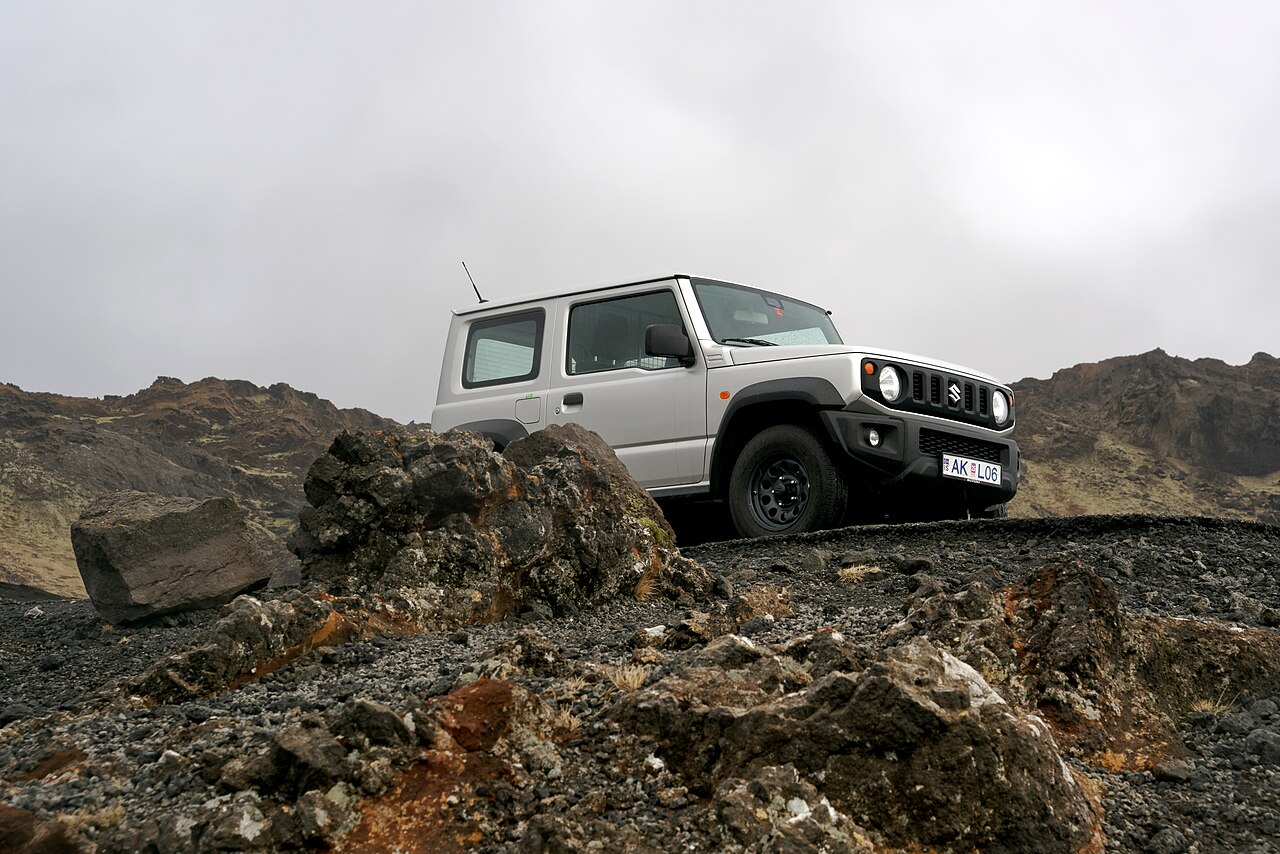
Suzuki faces an unprecedented challenge in Brazil in 2025. The enforcement of Proconve L8, which establishes stricter pollutant emission standards, has prevented the import of the Jimny Sierra, the brand’s only model in the country. Without this vehicle, Suzuki’s operation is at risk.
Proconve L8 came into effect on January 1, 2025. Under the new rule, the Jimny Sierra has been blocked from imports as it does not meet the required standards. The naturally aspirated 1.5 engine from the K15B family, which powers the model, has not been updated to comply with the new environmental criteria.
Before the rule took effect, Suzuki managed to import between 1,000 and 1,500 units of the Jimny Sierra. These vehicles keep the dealerships supplied, at least until the end of the year. However, there is no defined solution for the future.
-
Harley-Davidson Enters Urban Electric Era with LiveWire S4 Honcho Minibikes: Lightweight, Affordable, 85 km Range, Priced Around $5,000

-
Turbocharged Engines with Direct Injection: Why High-Performance Engines Over 130 HP/Liter and Turbines at 200,000 RPM Challenge Durability

-
Chevrolet’s Parent Company to Invest Billions in Brazil to Modernize Factories, Update Cars, and Accelerate Hybrid Launch by 2028

-
Practical Driving Tests in Brazil Surge by 23.5%, Exceeding 2.2 Million by 2026, as New Rules Make the Process Cheaper and Simpler


Suzuki’s representative in Brazil, HPE, is still negotiating with the headquarters in Japan. The main issue is who will bear the costs of updating the Jimny Sierra’s engine to comply with Proconve L8. Without an agreement, the brand’s presence in Brazil remains uncertain.
Understand the Reason for the Ban
The Jimny Sierra does not meet Proconve L8 due to its K15B engine, which has not been modified for the new requirements. The program’s goals aim to reduce pollution caused by vehicles.
This represents an advancement in Brazilian environmental policies but directly impacts automakers that did not adapt in time.
The model, which has good acceptance among consumers, can no longer be imported. This limits the brand’s operations in the country and raises questions about the future of local operations.
Electric Alternative Under Consideration
A possible solution for Suzuki could be the arrival of the e-Vitara. The electric model was unveiled abroad at the end of 2024. Because it does not emit pollutants, it can be homologated more easily, circumventing the Proconve L8 requirements.
The e-Vitara has three versions in Europe, with different power outputs and battery capacities. The arrival of the SUV in Brazil could attract new customers and maintain the brand’s presence in the market.
HPE’s Position
In a statement, HPE said it is awaiting guidelines from the Japanese headquarters regarding the offering of new products for Brazil. According to the company, there are still units of the Jimny Sierra at dealerships, but for strategic reasons, more details about the brand’s plans were not disclosed.
Uncertainties on the Horizon for Suzuki
The future of Suzuki in Brazil depends on strategic decisions. The arrival of a new electric model, such as the e-Vitara, could pave the way for the continuation of operations. However, without an agreement regarding the Jimny Sierra, the situation remains undefined.
The brand seeks a balance between regulatory requirements and operational costs. Until there is a decision, Suzuki’s continuation in the Brazilian market remains at risk.
With information from Correio Braziliense.