Portuguese
  Spanish


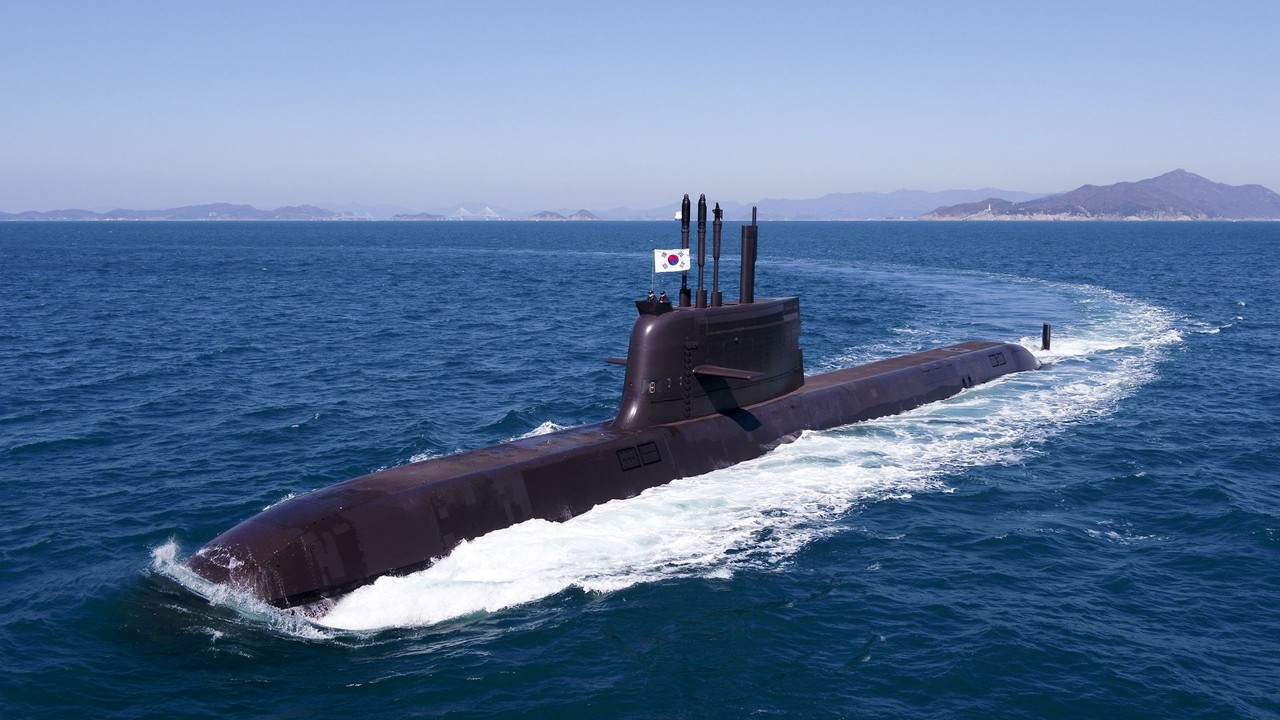

Four decades ago, South Korea bought the design of its first submarine from Germany and assembled the hull under the supervision of German engineers; now Seoul is accelerating its own nuclear propulsion program and aiming for the exclusive club of navies that maintain atomic submarines at sea, reversing the relationship with what was once its teacher.
Those who follow naval defense know that few things change the balance of a sea as much as a submarine that doesn’t need to surface to breathe. And it is exactly to this level that South Korea has decided to race. After years of building increasingly better conventional submarines, the country has stepped on the accelerator of a nuclear-powered submarine project of national manufacture, a leap that very few governments on the planet have managed to make.
The detail that adds flavor to the story is the origin of this engineering. In the 1980s, Seoul didn’t know how to build a submarine from scratch and knocked on the door of the German HDW, buying the license for the Type 209. The first hull came practically from German hands, and only from the second did the construction migrate to Korean shipyards. I confess that I find it hard to imagine a more symbolic turnaround: the student now designs alone and aims for a type of submarine that Germany itself never operated.
From the German Type 209 to the Korean hull
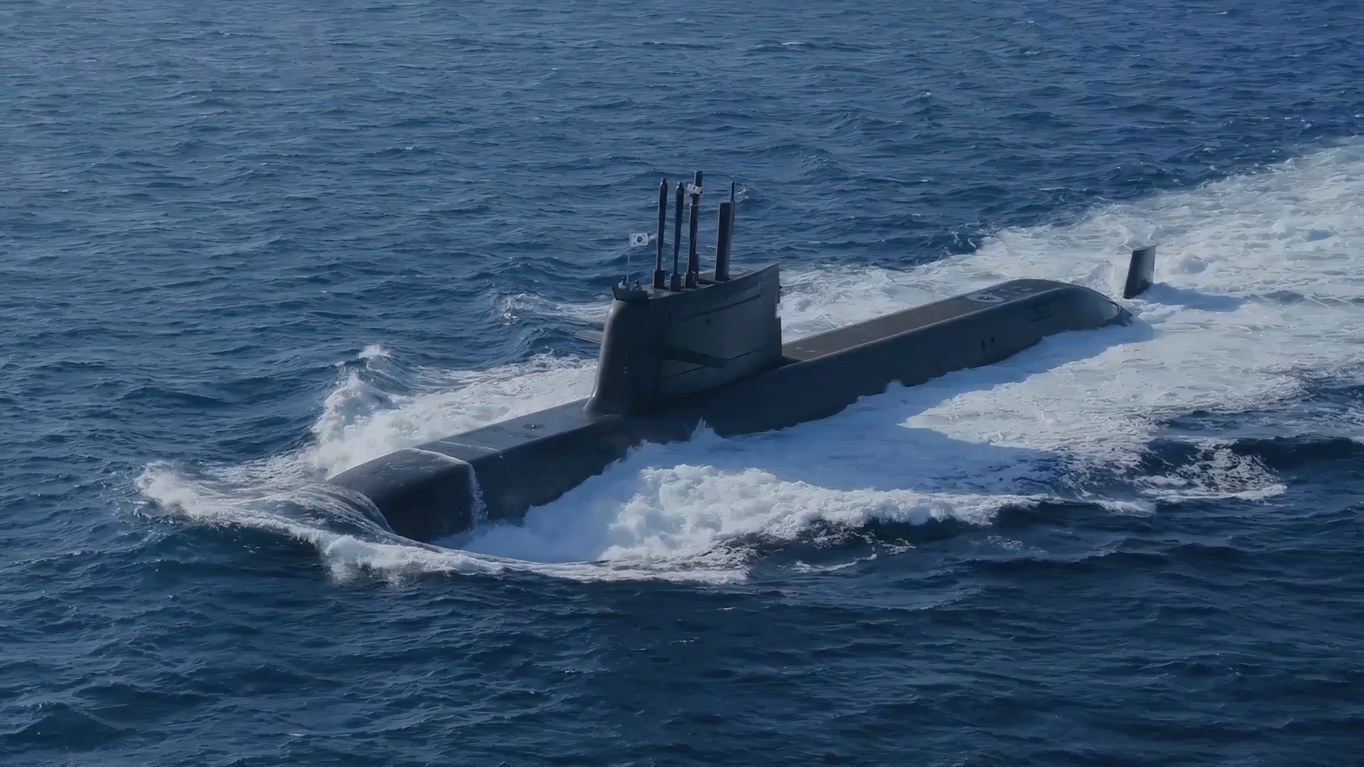
The path went through the Jangbogo class, derived from the German project, and led to the current KSS-III, named the Dosan Ahn Changho class. These submarines are almost entirely Korean, manufactured by Hanwha Ocean and HD Hyundai Heavy Industries, with lithium-ion batteries and the ability to launch ballistic missiles from vertical tubes, something very rare in a non-nuclear submarine. It was this industrial base that gave Seoul the confidence to take the next step.
-
Australia, UK, and US Seal Combat Submarine Drone Pact to Accelerate Attack Fleet

-
Europe Orders Israel’s Light Cannon Capable of Downing Drones from Five Kilometers at Minimal Cost Per Shot
-
Turkey Delivers Self-Designed Submarines, Emerges as Naval Power Exporter in the Mediterranean
-
France doubled the firepower of the new frigates and increased the missiles from 16 to 32 tubes ready to fire.


The difference between what exists today and what is sought is enormous. A conventional submarine, even equipped with air-independent propulsion, needs sooner or later to come close to the surface to recharge. A nuclear submarine, does not: the reactor generates energy for months without stopping, and the limit becomes the crew’s food. For a country that monitors an unpredictable neighbor to the north and disputed seas around, this autonomy is strategic.
Why nuclear propulsion changes the game
When talking about a nuclear submarine, it’s common to imagine an atomic weapon, and the two topics are not the same thing. Here the nuclear is in what moves the ship, not what it fires. The reactor heats water, generates steam, turns the turbines, and silently pushes the hull, allowing it to stay submerged and almost undetectable for weeks on end, covering distances that a diesel-electric could never reach without refueling.
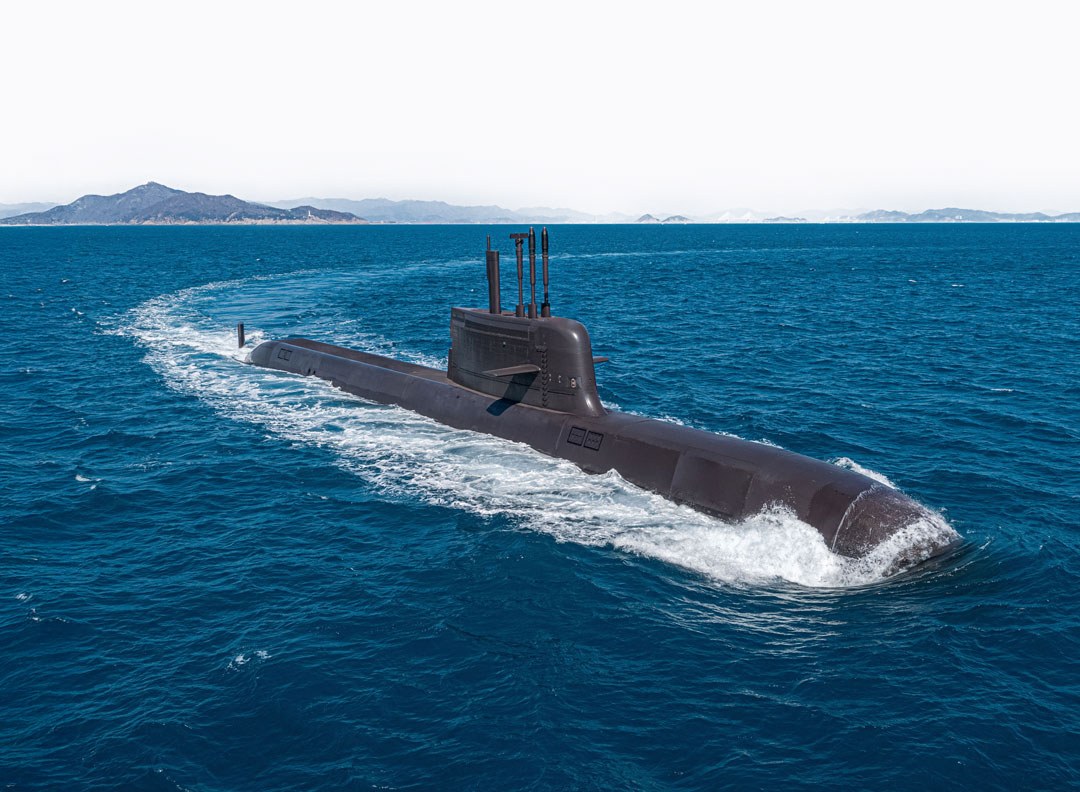
This is the trick that places South Korea in an elite group. Today, maintaining a nuclear-powered submarine in operation is a privilege of a handful of powers: the United States, Russia, China, the United Kingdom, France, and India. Entering this list means mastering compact reactors, fuel, shielding, and onboard safety, a technological chain that few countries even attempt to build. I imagine the size of the geopolitical message this announcement sends to the neighborhood.
The obstacle of fuel
Not everything is just political will. There is a technical and diplomatic knot in the nuclear fuel. International agreements limit the level of uranium enrichment that South Korea can use, and a naval reactor usually requires more concentrated fuel than a civilian plant. Solving this involves negotiation with the United States, a historical security partner, and this is where part of the current discussion is concentrated, with Seoul seeking approval for an arrangement that enables the reactor without breaking commitments.
Korean shipyards, in turn, have already proven they can deliver. The same industry that builds the KSS-III has been winning contracts abroad and competing for orders that not long ago were the domain of Europeans and Americans. The manufacturing capacity exists, the capital exists, and the experience accumulated with the line of conventional submarines reduces much of the risk of the nuclear project.
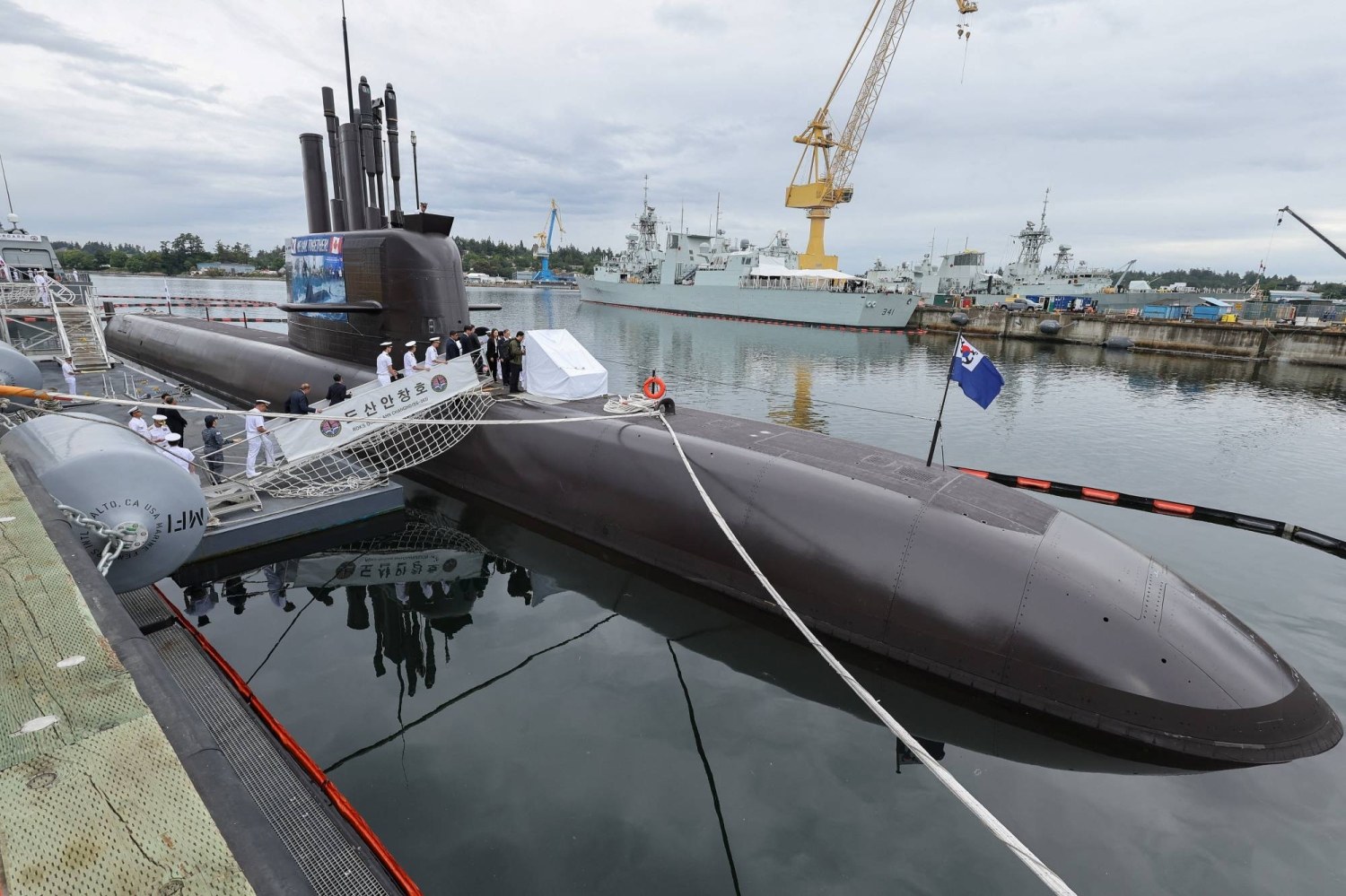
It’s worth remembering that these same shipyards have become an export phenomenon. Hanwha Ocean and HD Hyundai are now competing for billion-dollar orders for submarines and warships in Europe and the Americas and even sent a conventional submarine on a mission of over 14,000 kilometers to the Asia-Pacific to demonstrate capability to potential clients. Those who deliver conventional submarines of this level have the factory floor to tackle the nuclear challenge.
The student who became a reference
What makes the news so remarkable is not just the engineering, but the trajectory. In four decades, South Korea went from importing the entire design of a submarine to designing, building, and exporting cutting-edge platforms, and now prepares for something its former German teacher never put in the water. It’s the kind of turnaround that usually takes generations and happened quickly here, based on continuous investment in heavy industry and technical training.
For Brazilian readers, the parallel is inevitable. Brazil has also been pursuing its first nuclear-powered submarine for some time, in its own program full of ups and downs, and looking at how Seoul accelerated helps to understand the size of the challenge and the reward. Mastering this technology is, in practice, buying a seat at the table where the rules of the sea are decided.
The next chapter will depend less on steel and more on agreement: if the fuel issue is resolved, South Korea will have paved a path that will inspire and pressure other medium powers to attempt the same leap.
Will the race for the nuclear submarine redraw the naval balance of Asia in the coming years?