






 Portuguese
  Spanish


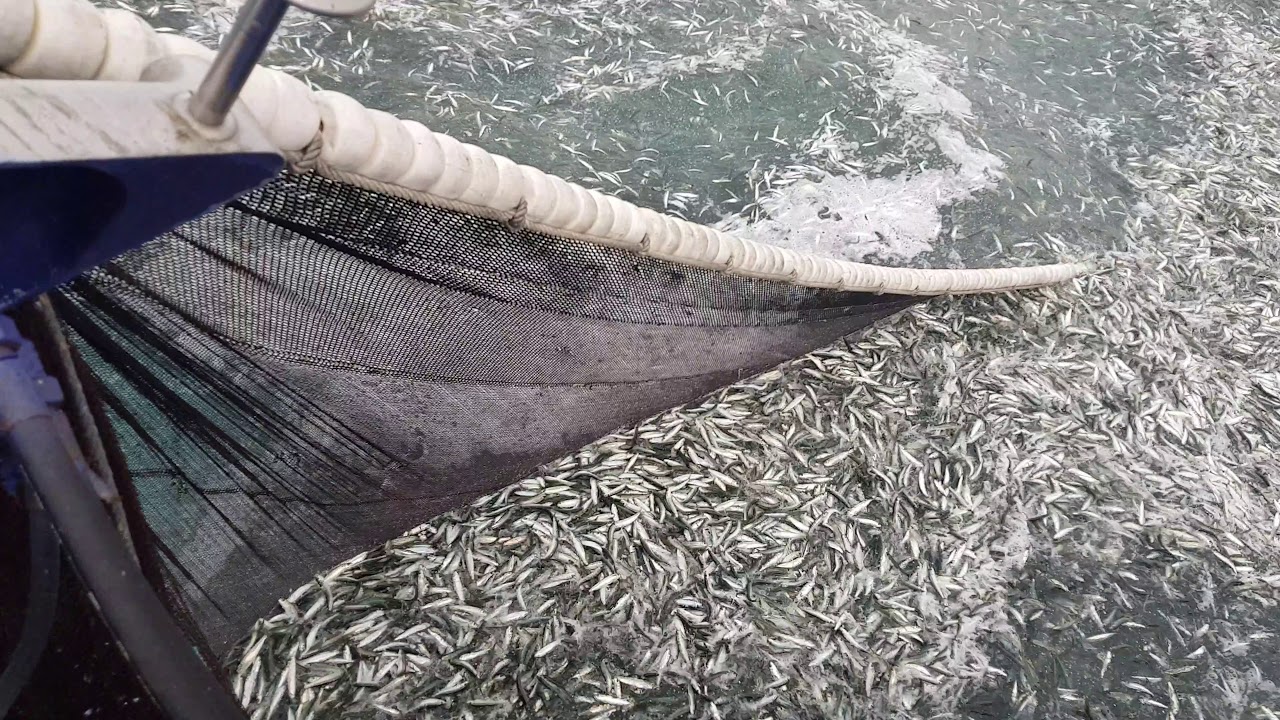


Morocco Exports More Than 150 Thousand Tons of Sardine Per Year, Dominates the Global Canned Fish Market, and Transforms Fishing Into One of the Strategic Pillars of Its Economy.
Few countries have managed to transform a single natural resource into a structural axis of their economy like Morocco has with sardine. Located on the Atlantic coast of Africa, the country has become the absolute leader in global canned sardine production and export, reaching volumes that exceed 150 thousand tons per year just in the canned fish market, a figure that places it at the top of a sector that drives industrial chains, jobs, international agreements, and a significant part of the global processed fish supply.
Data from international entities, specialized foreign trade portals, and sector reports confirm that Morocco dominates the canned sardine industry, accounting for the largest share of global production and exporting to markets ranging from the European Union to Asia and the Middle East. The strength of this chain has transformed fishing into one of the country’s economic pillars and a strategic element of its insertion into global trade.
Why Morocco Dominates the Global Sardine Market: Integrated Geography, Biology, and Logistics
The secret to Moroccan leadership begins on the coast. The country’s Atlantic coast is positioned over one of the richest upwelling systems on the planet, areas where deep currents rich in nutrients surface and feed an explosion of plankton. This phenomenon favors species like European sardine (Sardina pilchardus), which finds a rapidly growing and abundant habitat along the Moroccan coast.
-
Eni Acquires 25% Stake in Chilean Lithium Project, Plans to Invest Up to $225 Million in Eco-Friendly Extraction Method

-
French Brand Transforms 6 Million Brazilian PET Bottles into Sustainable Sneakers for Global Fashion Market
-
Abandoned Factory in Rio’s North Zone Becomes Urban Hazard with Standing Water and Debris

-
The U.S. Navy Conducts Submarine Tests in Idaho Lake to Detect Underwater Noises Hidden by the Ocean



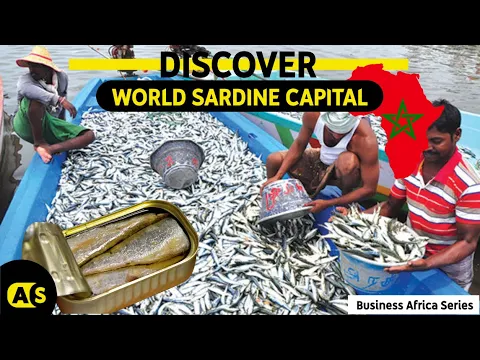

From a biological and oceanographic perspective, few regions in the world present similar conditions.
This natural advantage has allowed Morocco to develop a fishing industry based on scientific principles, sustainable catches, and a high renewal rate of stocks, complemented by fleet modernization, regulation of closed seasons, and agreements with international fishing organizations.
The proximity between fishing zones and processing facilities reduces the time between catch and processing, preserving quality and enhancing competitiveness, a differential that explains why Morocco comfortably leads the global canned fish market.
Canning Industry: The Economic Heart of Moroccan Sardine
If catches are abundant, what transforms Morocco into a global powerhouse is its processing industrial capacity.
The sector is home to dozens of factories operating continuously, supplying demanding markets such as Spain, France, Italy, Japan, China, and Middle Eastern countries. The country has specialized in:
• high-security thermal processing
• strict standardization of cuts and sizes
• canned products in vegetable oil, olive oil, and specific sauces
• industrial freezing for long-distance exports
• high-standard packaging for premium markets
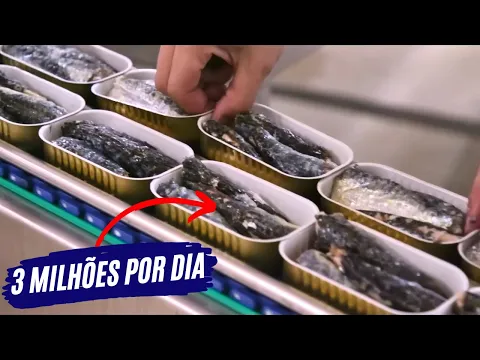
These industrial units form a complex that employs hundreds of thousands of workers directly and indirectly, drives entire ports, and ensures economic dynamism for coastal cities like Agadir, Essaouira, Safi, and Laâyoune.
It is this integrated system — fishing, processing, and logistics — that places Morocco in an undeniable global leadership position.
More Than 150 Thousand Tons Per Year: The Number That Defines a Global Power
International trade reports and data compiled by portals like Tridge confirm that Morocco exports more than 150 thousand tons of canned sardine per year, a level that no other country comes close to achieving. This volume makes the country:
• the world’s largest exporter of canned sardine
• one of the largest producers of sardine intended for industrialization
• a strategic supplier for markets with seafood deficits
• a powerhouse that sets prices, quality standards, and international trade guidelines
While other nations focus on fresh or frozen seafood, Morocco dominates the most profitable and stable segment of the sector, canned products, which have higher added value and longer shelf life for long-distance exports.
The Economic Impact of Sardine on the Moroccan Production Structure
The sardine industry is not peripheral to the Moroccan economy; it is strategic. In some regions, it represents:
• more than 50% of local industrial activity
• a significant portion of national food exports
• one of the largest sources of female employment on the coast
• a basis for public policies for regional development
Moreover, the government continuously invests in fishing modernization programs, fleet expansion, international certifications, and traceability, allowing the country to maintain competitiveness in increasingly demanding markets.
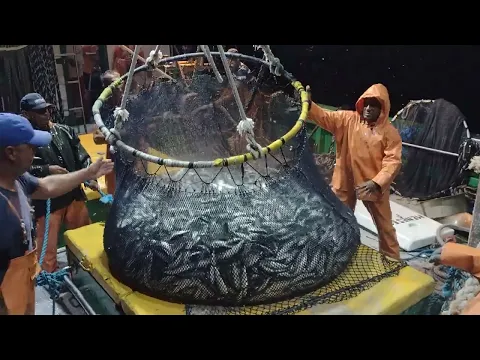
The strong global dependence on processed sardine places Morocco in a privileged position to negotiate agreements, attract investments, and influence consumption trends.
Sustainability and Management: How Morocco Tries to Balance Exploitation and Preservation
The challenge for any fishing power is to preserve stocks. Morocco relies on:
• biomass monitoring
• annual catch limits
• seasonal closures
• agreements with artisanal fishermen
• international certifications
This system aims to prevent stock collapse — a real risk in many regions of the world — and ensure continuous supply to the global market.
While there are still tensions involving environmental pressures and industrial interests, the country remains one of the few that can operate on a large scale without completely compromising the renewal of sardine populations.
Why Morocco Remains Unbeaten in the Global Sardine Market
The combination of natural abundance, industrial infrastructure, efficient logistics, and longstanding fishing tradition has solidified the country as the world’s largest producer of canned sardine. It is not just about scale: it is about a rare model of vertical integration, where the country controls all stages of the chain, from the ocean to packaging.
This gives Morocco a competitive advantage that is unlikely to be surpassed by other countries in the short term.
The question that remains is: how far can a country expand its global influence from a small fish that has become an economic giant?







