






 Portuguese
  Spanish


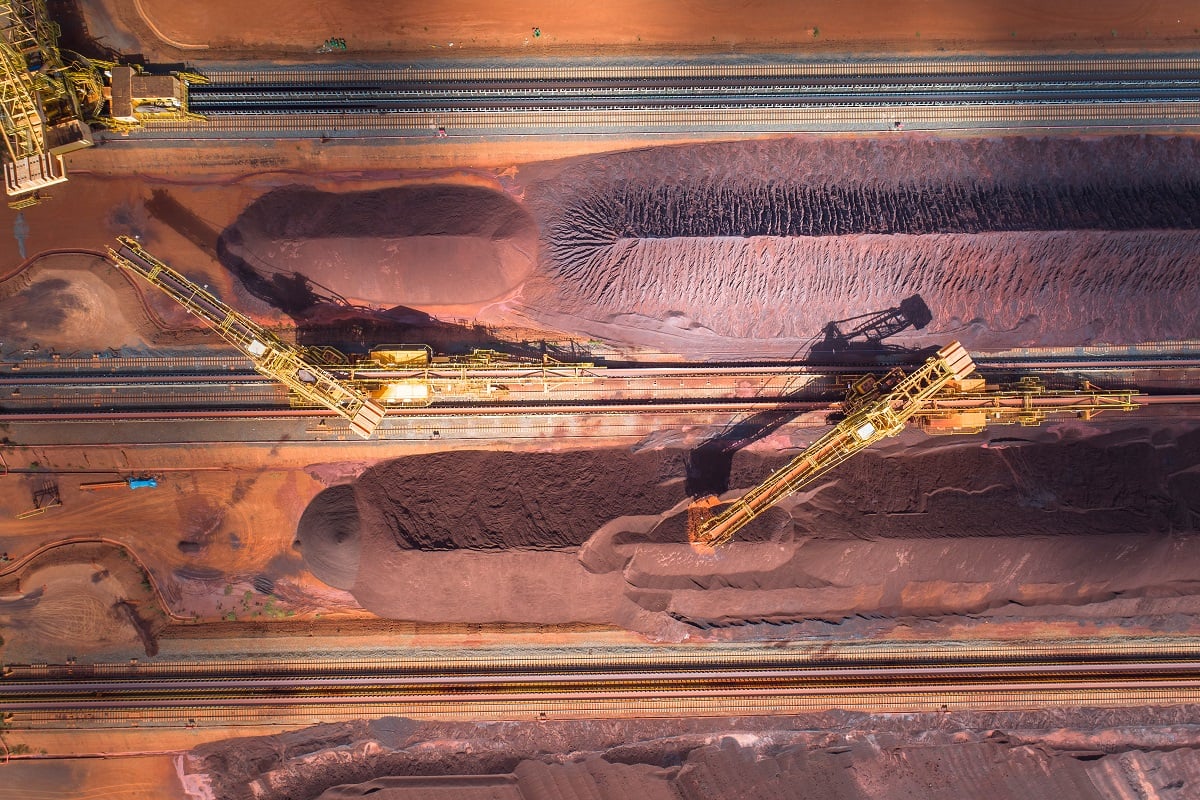

The China Iron and Steel Association (CISA) recently held a face-to-face meeting with Brazilian mining company Vale to discuss the operation of the Chinese steel industry and the supply of iron ore by Vale.
This information was disclosed by CISA through its official WeChat account on Thursday. A month after the Chinese government abolished quarantine requirements for travelers, the Vice President of the China Security Commission (CISA), Luo Tiejun, and the Executive Vice President of Iron Solutions at Vale, Marcello Spinelli, met on February 7 to discuss ways to improve iron ore pricing and promote low-carbon development.
The country’s “zero-Covid” policy had kept its borders almost closed for nearly three years. The People’s Republic of China, the world’s largest steel producer and iron ore consumer, imported a total of 1.11 billion tons of iron ore last year, according to data released by the Chinese Customs.
The Price of Iron Ore Has Recovered Due to Hope for Economic Growth in China.
Iron ore futures contracts recorded an increase on Thursday, with the Dalian exchange benchmark reaching its highest level in a week after two consecutive days of decline. Sentiment improved ahead of the release of data on China’s loans, which serve as key indicators for economic growth.
-
France Revamps 530 Social Housing Units with Large Balconies and Glass Facades Without Demolishing Existing Buildings

-
10-Year-Old Max Makes History with Paris Fashion Show, Launches Own Brand, Hires Staff, and Sets World Record as Youngest Runway Designer

-
Bolivian Female Construction Workers Form Association to Combat Discrimination and 38% Pay Gap in the Industry
-
Near Amsterdam, residents buy land and discover they must also build streets, manage drainage, handle waste, and grow food on half their plot.




Recently, the outlook has improved due to forecasts of increased economic growth in China. The country is the largest producer of steel and consumer of iron ore in the world, which has significantly contributed to this outcome.
Iron ore traded on the China Commodity Exchange closed the daytime trade in May up 2.6%, finishing at 863 yuan (US$ 127.19) per ton. The highest price during the day was 866 yuan, marking the highest increase since February 2.
On the Singapore Exchange, the benchmark contract for the steelmaking ingredient for March experienced a 1.6% increase, reaching a price of US$ 123.30 per ton. According to a survey conducted by Reuters, loans in yuan granted by Chinese banks likely reached a record in January, with the Central Bank acting to support economic growth in the world’s second-largest economy.
Iron ore contracts have been weak in recent days, as a result of China’s incentives to the real estate sector and the dismantling of Covid-19 related restrictions. However, demand outlooks appear to have been reassessed by traders, contributing to a moderate behavior.
Chinese banks recorded loans at the beginning of the year that exceeded 4.37 trillion yuan, suggesting strong demand for corporate loans with the expectation of an economic recovery, according to a note released by economists at ING.








