






 Portuguese
  Spanish


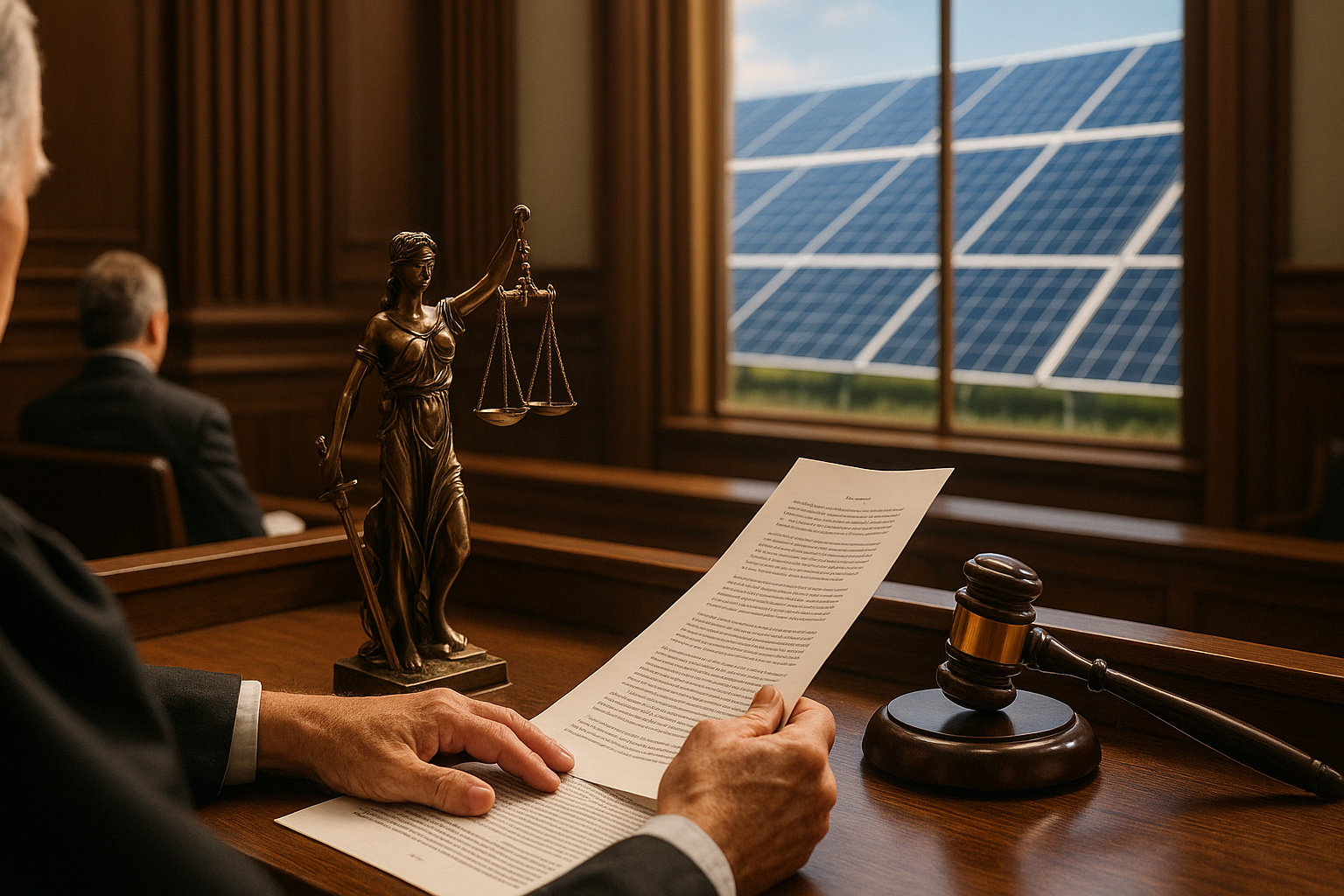
Solar energy continues to advance across the country and now gains new momentum with a decision that could transform the way Brazilians produce and consume renewable electricity. The immediate suspension of ICMS on excess energy in Piauí, determined by Judge Sebastião Ribeiro Martins, creates a relevant milestone for consumers, producers, and investors, while dialoguing with the historical movement of energy transition observed in Brazil and around the world.
As a result, there is also a growing perception that sustainability depends not only on technology but also on legal certainty and policies that encourage the adoption of clean sources. According to the federal government and the National Electric Energy Agency (Aneel), the country surpassed 28 gigawatts of installed capacity in solar energy in 2024, reinforcing the significance of this sector in the national energy landscape.
The Trajectory of Solar Energy and the Taxation Debate
The discussion about the taxation of solar energy is not recent. Since 2012, when Aneel published Normative Resolution No. 482, Brazil initiated a process of opening up to micro and mini distributed generation, allowing citizens and companies to produce their own energy. However, even with this advancement, several states began to discuss the incidence of ICMS on the excess injected into the grid, which generated insecurity and legal debates.
-
Solar energy can increase property value by up to 10% and become a selling point.

-
Solar and wind energy surpass natural gas for the first time in the world and accelerate energy revolution

-
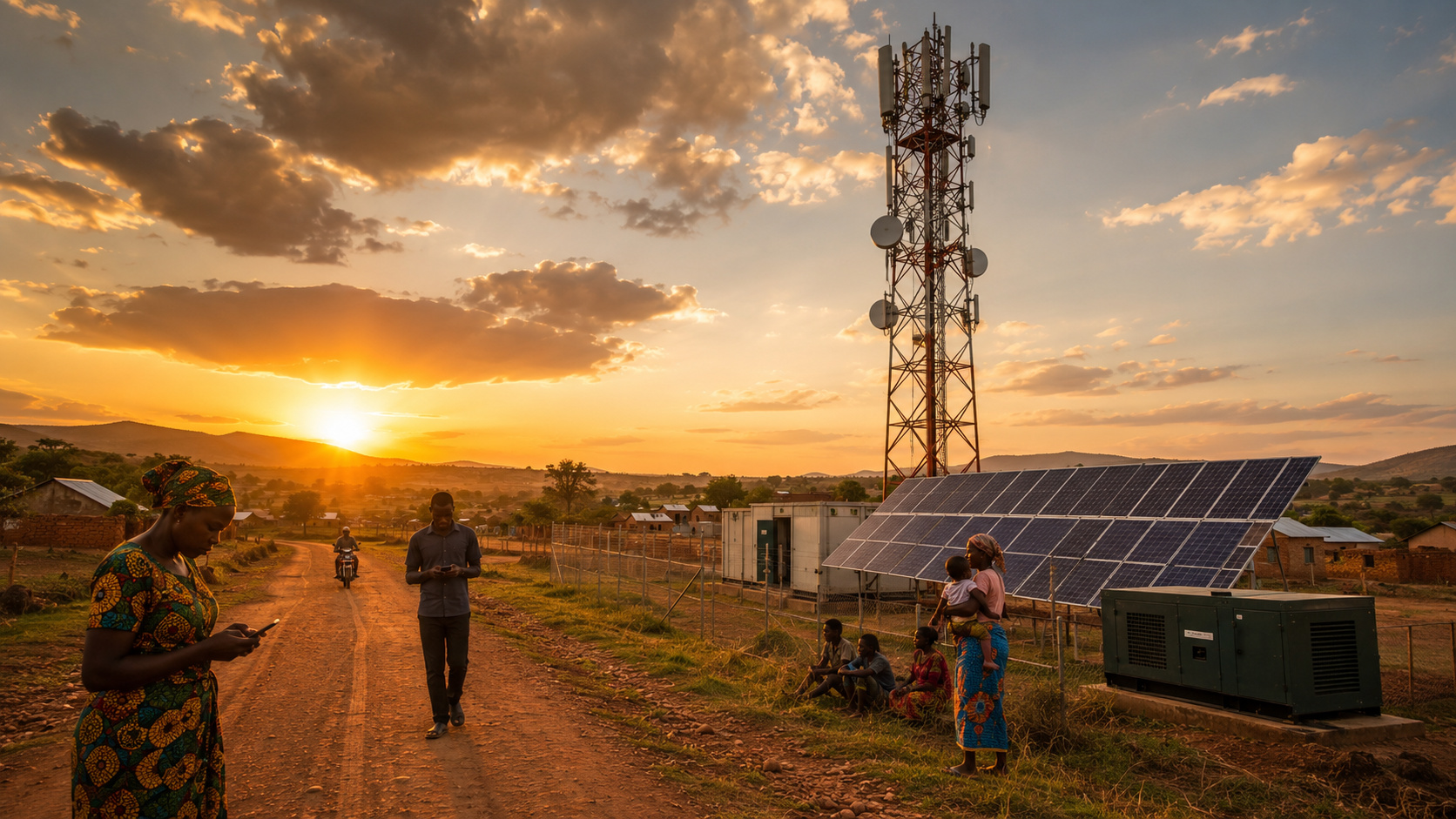
Africa has about 500,000 cell towers and most still burn diesel to operate, while companies rush to cover antennas with solar energy and avoid signal blackouts.
-
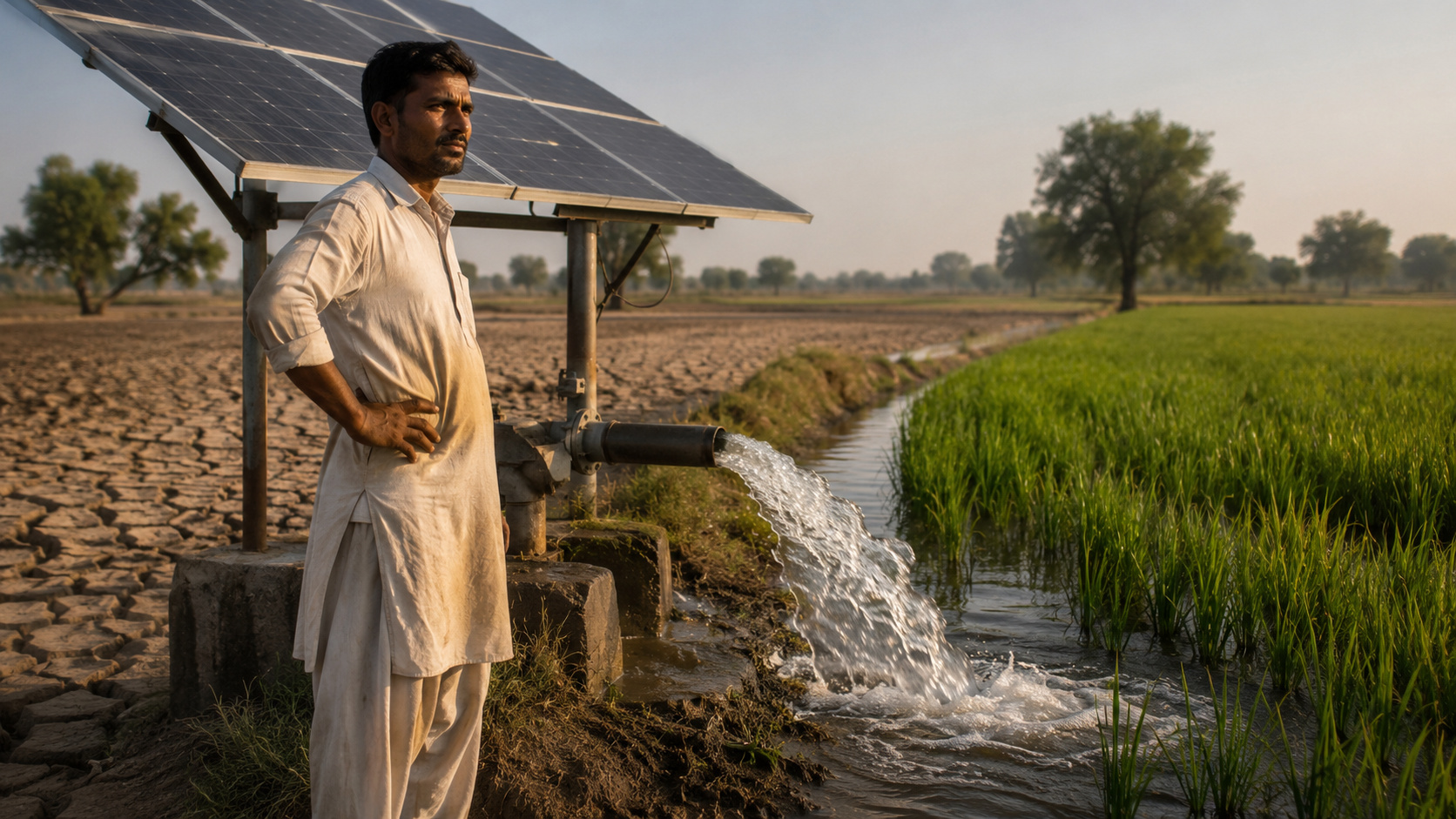
Farmers swapped diesel for solar panels in Pakistan, powered irrigation pumps almost cost-free, expanded rice fields, and now groundwater has become a red alert in the countryside.


The case of Piauí arises precisely in this context. According to the Court of Justice of the State of Piauí, Judge Sebastião Ribeiro Martins’ understanding considers that the taxation on excess energy violated constitutional principles, as this energy returns to the system as a form of compensation, not as a commercial product.
This interpretation aligns with previous decisions of the Supreme Federal Court, which had already recognized the importance of encouraging sustainable models in decisions involving environmental policies.
The Impact of the Decision for Consumers and the Sector
As solar energy expands, the number of residences, businesses, and rural properties adopting the compensation system also increases. With the suspension of the charge, more consumers are expected to consider investing in photovoltaic systems.
Additionally, the decision stimulates a trustworthy environment for companies operating in the sector. The Brazilian Association of Photovoltaic Solar Energy (ABSOLAR) frequently emphasizes that regulatory security is essential to attract capital and expand distributed generation projects. According to the entity, Brazil added over 10 gigawatts of solar energy just in 2025, and the number of new systems continues to grow.
At the same time, this measure alleviates pressures on small producers, who often rely on the savings generated by energy compensation to make their investments viable. Thus, the decision in Piauí contributes to democratizing access to technology, extending the reach of the energy transition beyond large urban centers.
The Historical Role of Solar Energy in Sustainable Development
Historically, Brazil has built its electric matrix relying on hydropower sources. However, episodes such as the water crisis of 2001 and, more recently, the climate extremes associated with global warming, have highlighted the need for energy diversification.
In this context, solar energy has emerged as a strategic alternative. According to the International Energy Agency (IEA), solar energy has become the fastest-growing source in the world since 2016. Brazil, therefore, follows a global trend by reinforcing its green infrastructure.
Moreover, public policies, such as Law No. 14.300/2022, have created the legal framework for distributed generation, further boosting the sector. The judicial decision in Piauí acts within this process, ensuring coherence between the norms and the encouragement of energy transition.
Sustainability as the Axis of Energy Transformation
To understand the relevance of this decision, it is crucial to recognize that sustainability has become a strategic pillar of economic development. This is because modern societies need to ensure clean, accessible, and secure energy to stimulate innovation, reduce inequalities, and mitigate the effects of the climate crisis.
Therefore, each regulatory advancement influences the behavior of companies, governments, and consumers. Thus, decisions like the one suspending ICMS on excess solar energy help build a more stable and favorable environment for the expansion of renewable sources.
Furthermore, by promoting solar energy, the country reduces its dependence on fossil fuels. This shift brings positive impacts on carbon emissions and improves air quality, reinforcing commitments made by Brazil in international agreements, such as the Paris Agreement, which, according to the federal government, requires greenhouse gas reduction targets by 2030.
Future Pathways and Challenges in the Sector
Despite progress, challenges still remain. States interpret taxation rules differently. Companies need predictability to invest in new solar plants. Consumers face high installation costs for equipment.
On the other hand, the decision in Piauí marks an important change. It guides society toward a fairer and more accessible energy model, while creating a precedent that could influence other states. Thus, the trend is that similar discussions will arise in various regions, as the search for legal certainty continues to be essential.
Moreover, the expansion of solar energy strengthens sectors such as agribusiness, industry, and commerce, as it reduces operational costs and increases competitiveness. According to the website of the Ministry of Mines and Energy, Brazil intends to significantly increase the use of renewable sources in the coming years, integrating solar energy into regional public policies.







-

-

-

7 people reacted to this.