Portuguese
  Spanish



Price Reduction Drives Solar Energy Investment For Homes And Small Businesses In Brazil, Despite Taxes In Effect
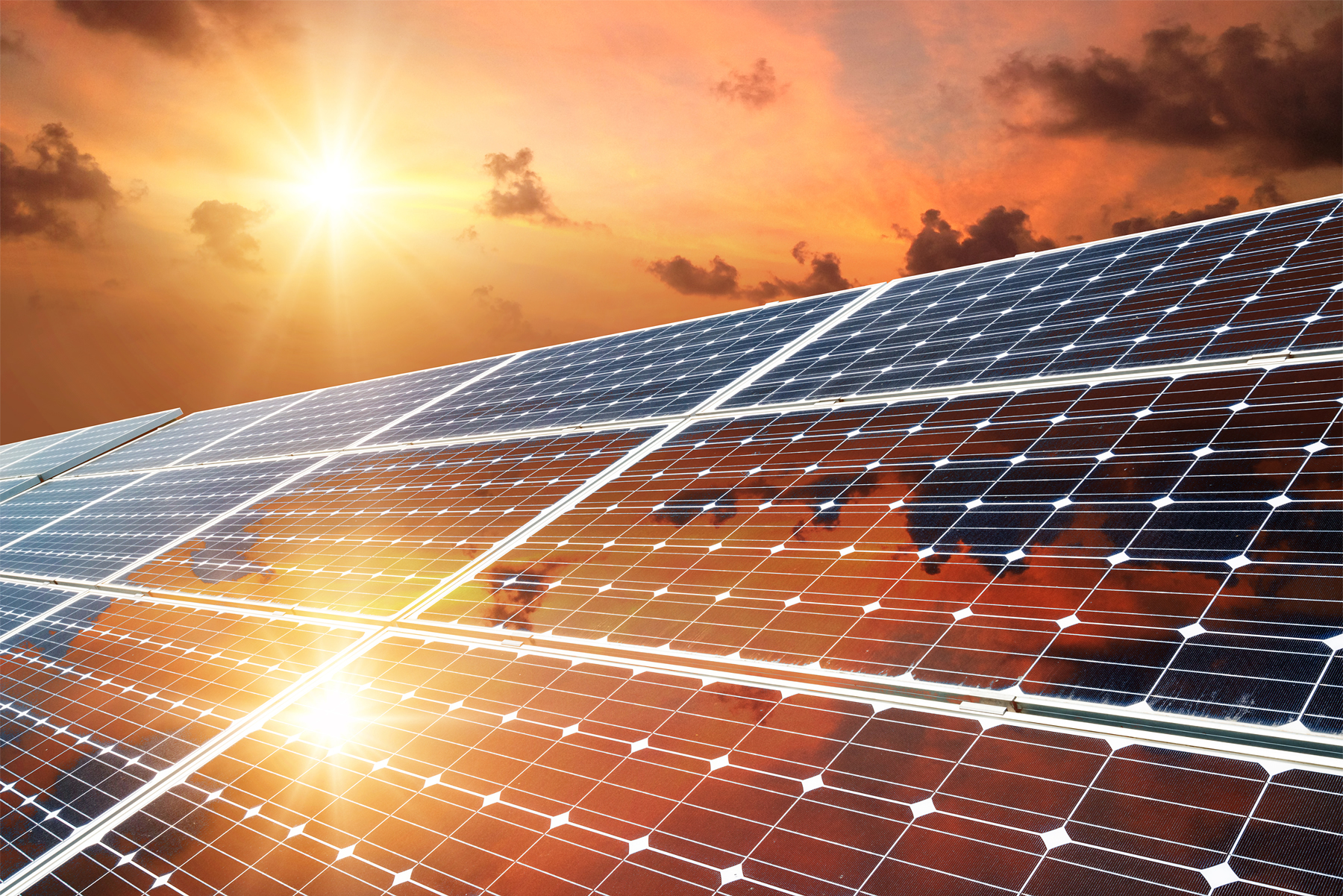
With a 30% drop in solar panel prices, investing in solar energy has never been more accessible. This reduction reflects in greater attraction of investment for the end consumer, with an improved return on investment of 25% for residential systems, according to the Diário do Nordeste website.
Even with the tax collection and the solar tax in effect, the vertical integration of Chinese companies in the production of solar energy panels and the increase in supply have pressured prices down, making the equipment more accessible.
Reduction In Return On Investment Time
The average time for consumers to recoup their investment in a solar energy system decreased from 4.4 years in 2023 to 3.3 years in 2024, making the financial return quicker and more attractive.
-
In Colombia’s desert, 30 families receive 80 m² homes with solar panels, waterless toilets, and rainwater collection systems amid water and energy shortages.

-
Solar Energy Booms in Brazil: Over $60 Billion Invested, 68.8 GW Capacity, 2 Million Jobs Created, Now Second in National Power Grid
-
Engie Secures 10-Year Use of 625 MWh in Batteries to Store Excess Solar and Wind Energy in Spain by 2028
-
Giant Batteries Take Center Stage in Chile Auction as Company Offers 960 GWh of Solar Energy for Nighttime Use, Aiming to Stabilize Solar Power Supply
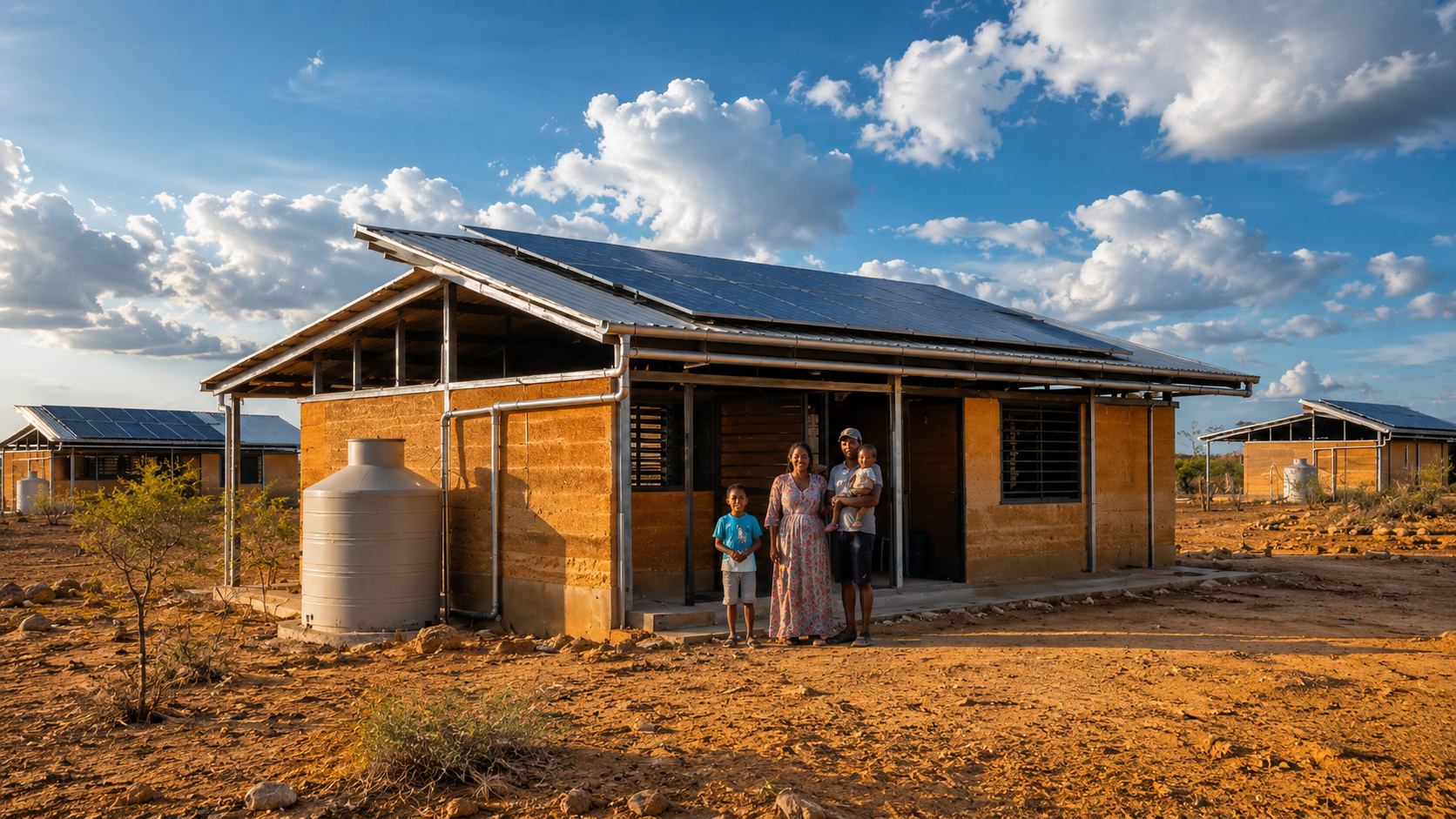


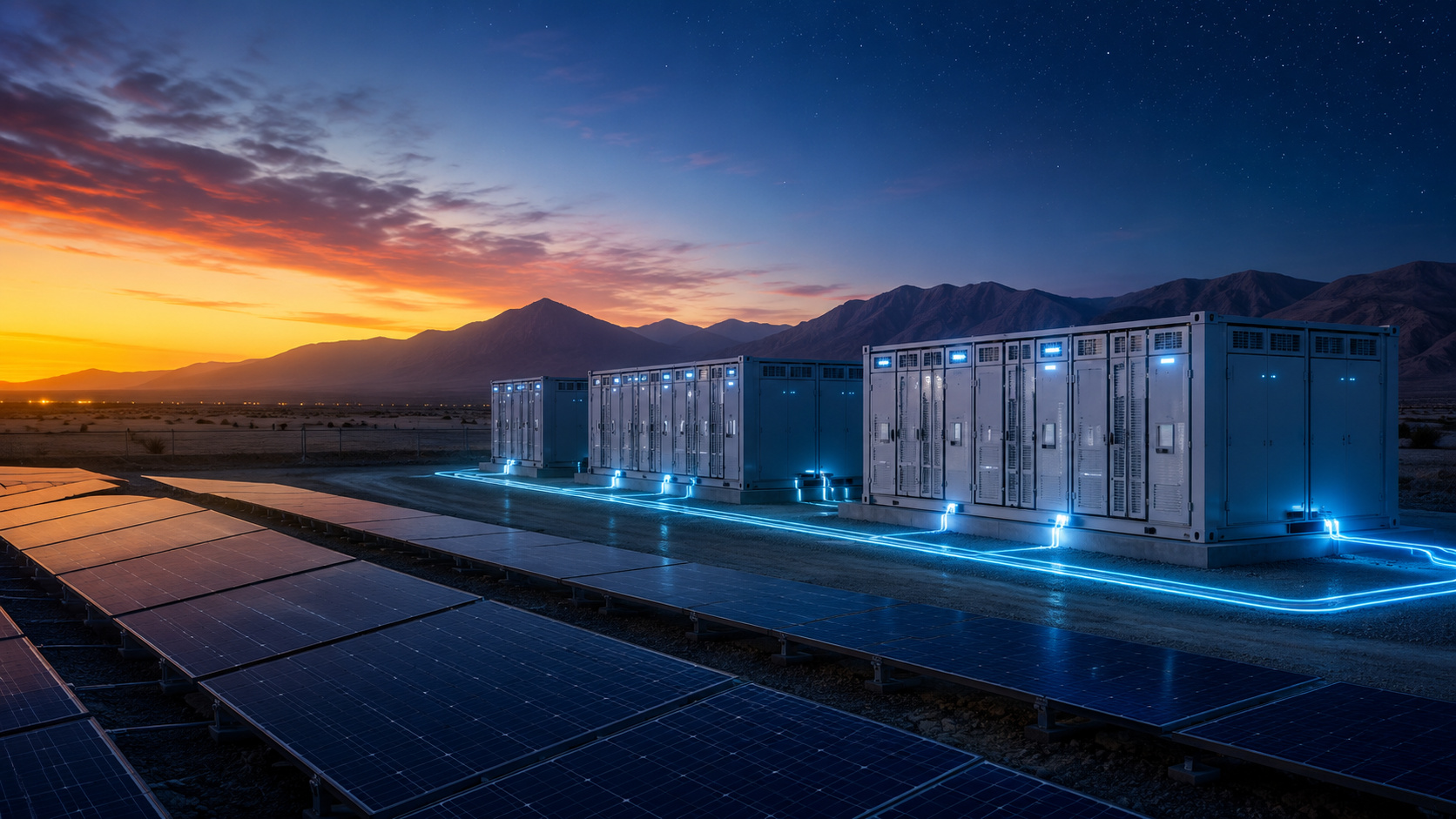
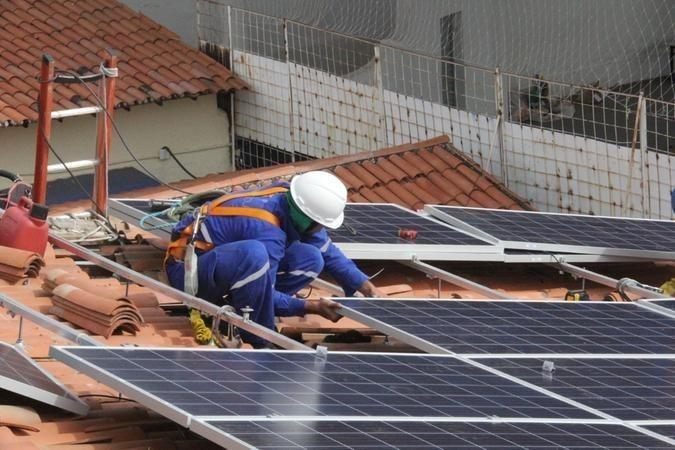
Photo: Honório Barbosa/Diário do Nordeste
With over 80% of distributed solar energy generation coming from residential systems, the demand and supply of solar panels have skyrocketed in Brazil, with China being the primary supplier of equipment.
Verticalization In China And Excess Supply
Chinese companies that manufacture photovoltaic panels have chosen to “verticalize,” meaning to participate in the entire production process, from raw materials to the final product. This resulted in an excess supply of solar panels, with China producing beyond domestic demand and exporting to Europe, which is also facing an oversupply. As a result, panel prices dropped by about 60% throughout 2023.
The Brazilian market, especially in Ceará, felt the effects of the price drop. Solar energy panels became about 50% cheaper for consumers in less than two years, despite recent taxes. The expectation is that prices will continue to decline, but at a slower pace, reaching a balance point in the coming months.