






 Portuguese
  Spanish



Dutch Scientists Propose A Mega-Structure Of Dikes To Protect Europe From Sea Level Rise. An Unprecedented Engineering Feat With Monumental Costs And Impacts.
Could human engineering turn the sea into a reservoir? A Dutch scientist plans to dam the North Sea, creating a colossal reservoir. This construction would require dikes hundreds of kilometers long, billions of tons of materials, and a cost of US$ 600 billion. Although it seems impossible, the involved parties claim it is feasible. But why would this immense construction be necessary?
The Climate Emergency And The Idea Of The Great Maritime Barrier
The main reason is sea level rise, which has increased by more than 20 cm since 1880. Driven by climate change, this rise could reach 2 meters by 2100, flooding coastal communities and affecting millions. The UN warns of a global catastrophe. The dam would isolate the North Sea and the Baltic Sea, protecting 15 countries, including Belgium, Denmark, France, Germany, the Netherlands, and major cities like London and Amsterdam.
The Anatomy Of The Giant Proposed Construction
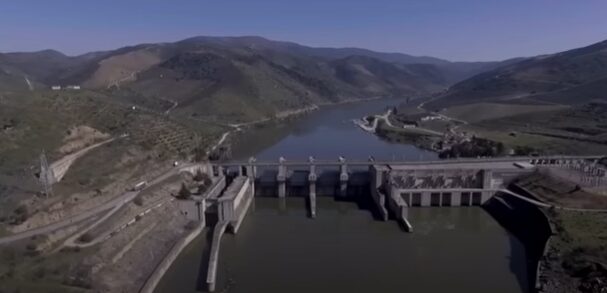
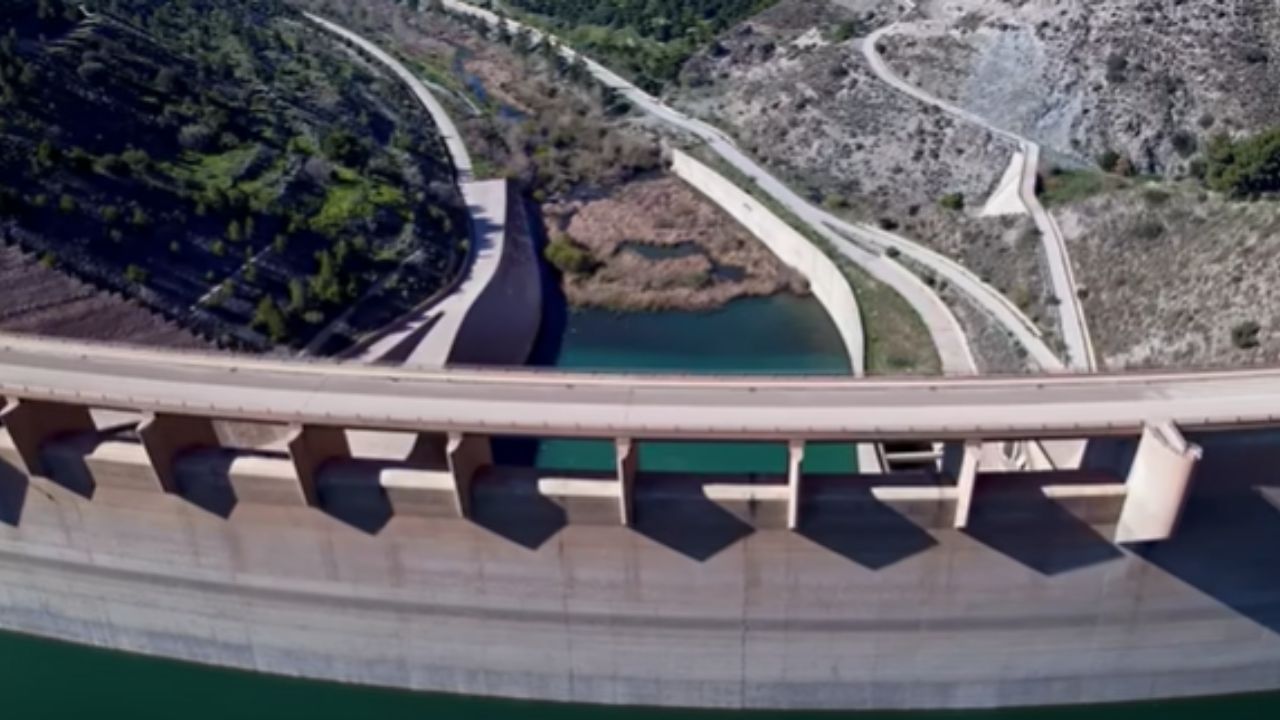
The project is called the Northern Europe Circumvention Dam (NEED), conceived by Shoy Groscamp and Joaquim Kelsen. Published in 2020, the plan envisions two walls: Nid South and Nid North. The Nid South would connect England to France over 161 km, far surpassing any existing dike. Not even the sum of the largest dikes (Saemangeum, 33 km; Afsluitdijk, 32 km) and the largest maritime bridge (Hong Kong-Zhuhai-Macau, 55 km) would equal its length. The Nid North would be even larger, at 476 km, stretching from Scotland to Norway. The construction would total more than 600 km of works.
-
U.S. City Builds Tiny Home Village on Water Company Land to House 136 Homeless People: Inside the Social Housing Units

-
Woman Turns Shipping Container into Home, Embraces Rural Life to Cut Monthly Expenses to Just Over $330
-
France Revamps 530 Social Housing Units with Large Balconies and Glass Facades Without Demolishing Existing Buildings

-
Facing high rent, couple transforms parents’ garage into a fully functional apartment, creating a complete home at a fraction of the market cost.




Technical And Financial Viability Under Debate
Groscamp considers the construction “substantial, yet sustainable.” The dams would be 50 m wide at the top and rise 20 m above the sea, made of sand, stone, and clay. About 50 billion tons of sand would be needed, a volume currently collected globally in one year. Increasing collection by 10%, the material would be stockpiled in a decade. Depth is another challenge: more than 100 m for the Nid South and 300 m for the Nid North. However, foundations for oil platforms have already been made at similar depths. The cost of US$ 600 billion, divided among 15 countries over 20 years, would represent less than 0.5% of the combined annual GDP of these nations.
Trade And Ecosystems At Risk From The Construction
The construction would impact trade, trapping ships from ports like Rotterdam and Hamburg. The locks would be slow, affecting the economy. Environmentally, it would block currents, nutrients, and marine life, devastating ecosystems and cetacean populations. Freshwater from rivers would dilute the reservoir, making the North Sea 10 times less salty in 100 years, harming marine life and fishing.








