Portuguese
  Spanish


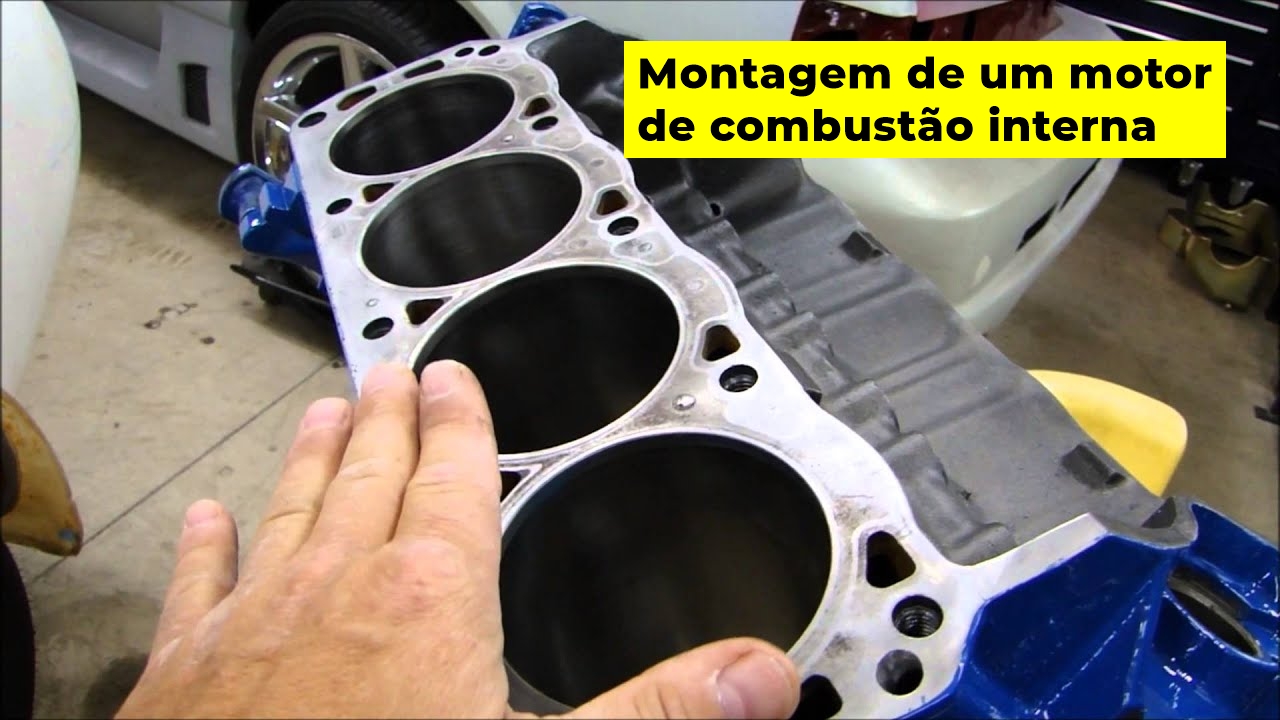


Have You Ever Wondered How the Engine Assembly Process Works? From the Engine Block to the Pistons and Valves, Each Part Plays an Essential Role. Discover This Fascinating Process!
The assembly of an internal combustion engine is a highly technical process that requires in-depth knowledge of mechanical and automotive engineering. The precision in assembly and the verification of components directly influence the energy efficiency, performance, and durability of the engine.
This article details each step of the assembly process, addressing the technical principles and quality criteria necessary to ensure the proper functioning of the engine.
Preparation and Metrological Inspection of Components Before Engine Assembly
Before assembly, all parts must undergo a rigorous dimensional and structural inspection process, using measuring instruments such as micrometers, calipers, and dial indicators.
-
Looking for a Car for Dirt Roads? Fiat Uno, Strada, and Volkswagen Gol Offer Durability and Affordability

-
MG Motor to Produce Two Electric Cars in Brazil with $75 Million Investment, Creating 600 Jobs
-
Nissan Kicks S Direct 2018: Affordable Used SUV with Over 13 km/l Fuel Efficiency, 432-Liter Trunk, and CVT Automatic Transmission
-
Iconic Orange Double-Decker Bus, a Dutch Fan Favorite for Over 20 Years, Arrives in Texas for the World Cup After Touring Brazil, England, Qatar, and More


Checking parameters such as cylinder ovality, bearing clearances, and structural deformations is crucial to ensure efficient operation.
Additionally, ultrasonic cleaning of metal components is recommended to eliminate residues that could compromise lubrication and sealing.
Installation of Bearings and Assembly of the Crankshaft
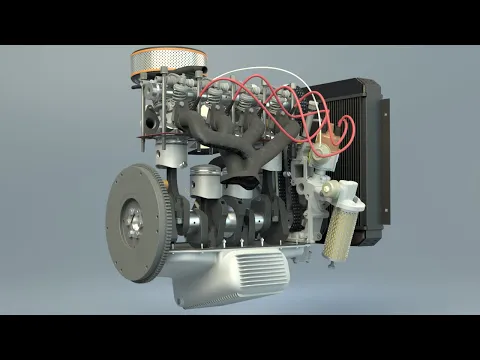

The assembly begins with the installation of the support bearings in the engine block, respecting the torque values specified by the manufacturer.
Next, the crankshaft is positioned and secured, ensuring proper alignment and lubrication.
During this stage, it is essential to check the “plastigauge” to measure the clearances of the main and connecting rod bearings, avoiding premature wear.
Connecting the Pistons and Connecting Rods to the Crankshaft
The pistons are assembled with their ring segments, respecting axial and radial clearance tolerances. These rings are essential for sealing the combustion chamber and must be positioned to avoid alignment between their joints.
After lubricating the sleeves and bearings, the pistons are inserted into the cylinders and connected to the crankshaft via the connecting rods, ensuring the correct distribution of forces during the combustion cycle.
Assembly of the Cylinder Head and Valve System
The cylinder head of the engine, responsible for controlling the valves, is fixed to the block using sequential torque, following the manufacturer’s technical specifications.
The valve train is installed along with the rocker arms and hydraulic or mechanical lifters. Checking the “clearance” of the valves and the correct application of the sealing gasket are critical steps to avoid compression failures.
Adjustment of the Engine Timing
The synchronization of the crankshaft-valve train assembly is carried out using specific markings on the components and, in some cases, phase sensors.
The timing belt or chain must be tensioned within the specified parameters to avoid misalignments that could compromise the opening and closing timing of the valves.
Installation of the Fuel and Ignition Systems
The fuel and ignition systems are essential for the conversion of the chemical energy of the fuel into mechanical energy.
The installation of the fuel injectors or carburetors must follow a strict protocol for sealing and calibration.
The ignition system, comprising spark plugs, coils, and knock sensors, must be installed and calibrated to ensure homogeneous and efficient combustion.
Implementation of the Lubrication and Cooling Systems
The engine lubrication is performed by installing the oil pump and applying specific lubricating oil suited to the engine’s characteristics.
The cooling system, consisting of a radiator, water pump, and thermostat, must be assembled considering the ideal thermal dissipation to avoid overheating and material fatigue.
Operational Testing and Final Calibration
After assembly, the engine undergoes operational tests on a dynamometer to assess performance, thermal efficiency, and fuel consumption.
Parameters such as oil pressure, cylinder compression, and operating temperature are analyzed. Any deviation from the standards set by the manufacturer may indicate the need for adjustments in the assembly or recalibration of sensors and electronic actuators.
The assembly of an internal combustion engine is a highly technical process that requires precision at every stage.
The proper application of torque, the use of measuring tools, and the adequate calibration of electronic systems are fundamental to ensure reliability and performance.
Strictly following the manufacturer’s specifications and conducting thorough testing are essential practices for the longevity of the engine.
The information contained in this article was based on renowned sources, including HEISLER, Heinz. “Advanced Engine Technology” (SAE International, 1995), STONE, Richard. “Introduction to Internal Combustion Engines” (Palgrave Macmillan, 2012), HEYWOOD, John B. “Internal Combustion Engine Fundamentals” (McGraw-Hill, 1988), and BOSCH Automotive Handbook (Robert Bosch GmbH, 2011).