





 Portuguese
  English
  Spanish
  3 min of reading
  0 comments


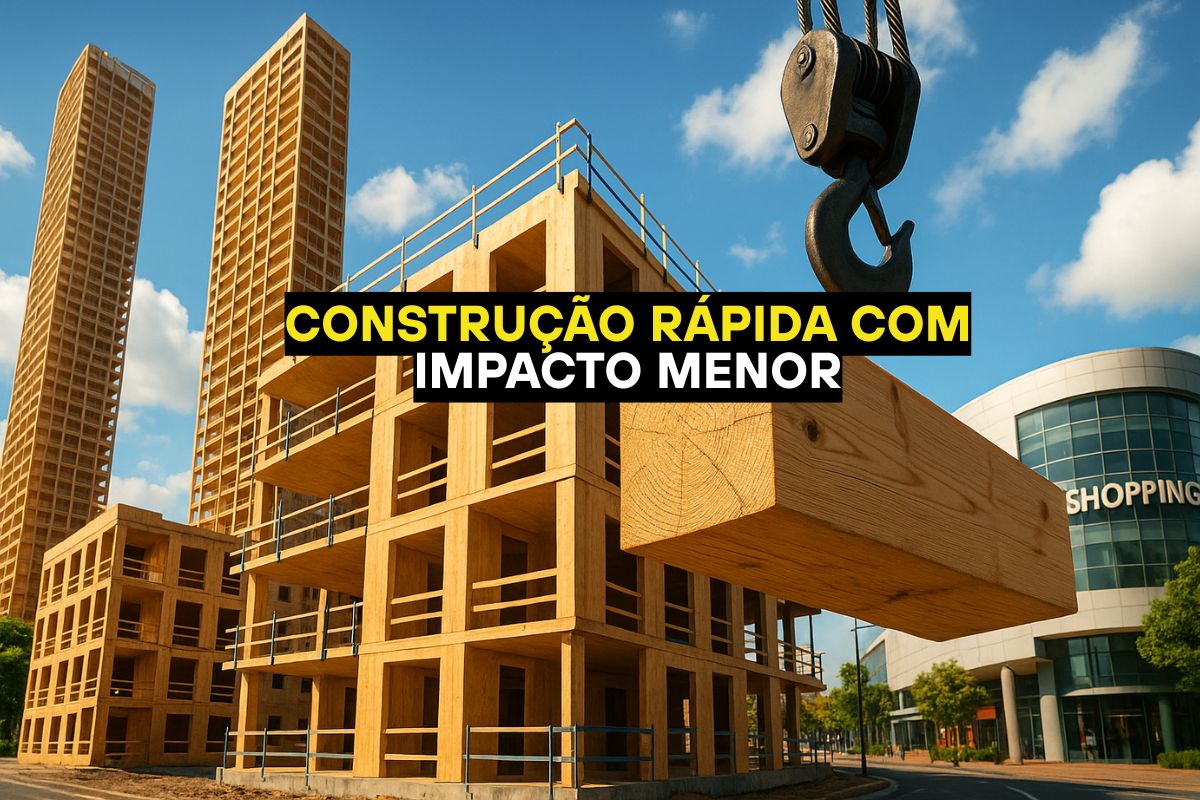
Material Gains Ground in Sustainable Construction, with Large-Scale Projects, Fast Execution, and Lower Environmental Impact.
The use of wood is making a strong comeback in construction, not just in small or artisanal projects. According to g1, shopping centers, multi-story buildings, and even affordable housing have shown that the material can be the key to faster, more sustainable, and resilient construction.
The investment in engineered wood, sourced from planted and certified forests, promises to reduce carbon emissions and accelerate construction timelines. While giant columns and beams are rising in projects in the interior of São Paulo, along the coast, homes are going up in just a few days using the wood frame technique.
Engineered Wood: Lightness with Strength
One of the unique features of modern wood is the processing technology. The glued sheets form large pieces, capable of supporting slabs, restaurants, and even parties in shopping centers.
-
How much does it cost to build a 60 m² house? A real construction project in Minas Gerais revealed a cost of R$ 156,570, which was below the CUB estimate and showed how a compact project with 2 bedrooms can be affordable.

-
Dissatisfied with seeing the construction industry rely on increasingly expensive and polluting materials, students from Paraná used orange peel in mortar, caught attention in an innovation challenge, and can now turn the project into a product with tests at UTFPR.

-
How to properly build a brick wall, starting with measuring the area, choosing materials, preparing the mortar, aligning with nylon string, and finishing with lime, putty, and paint.

-
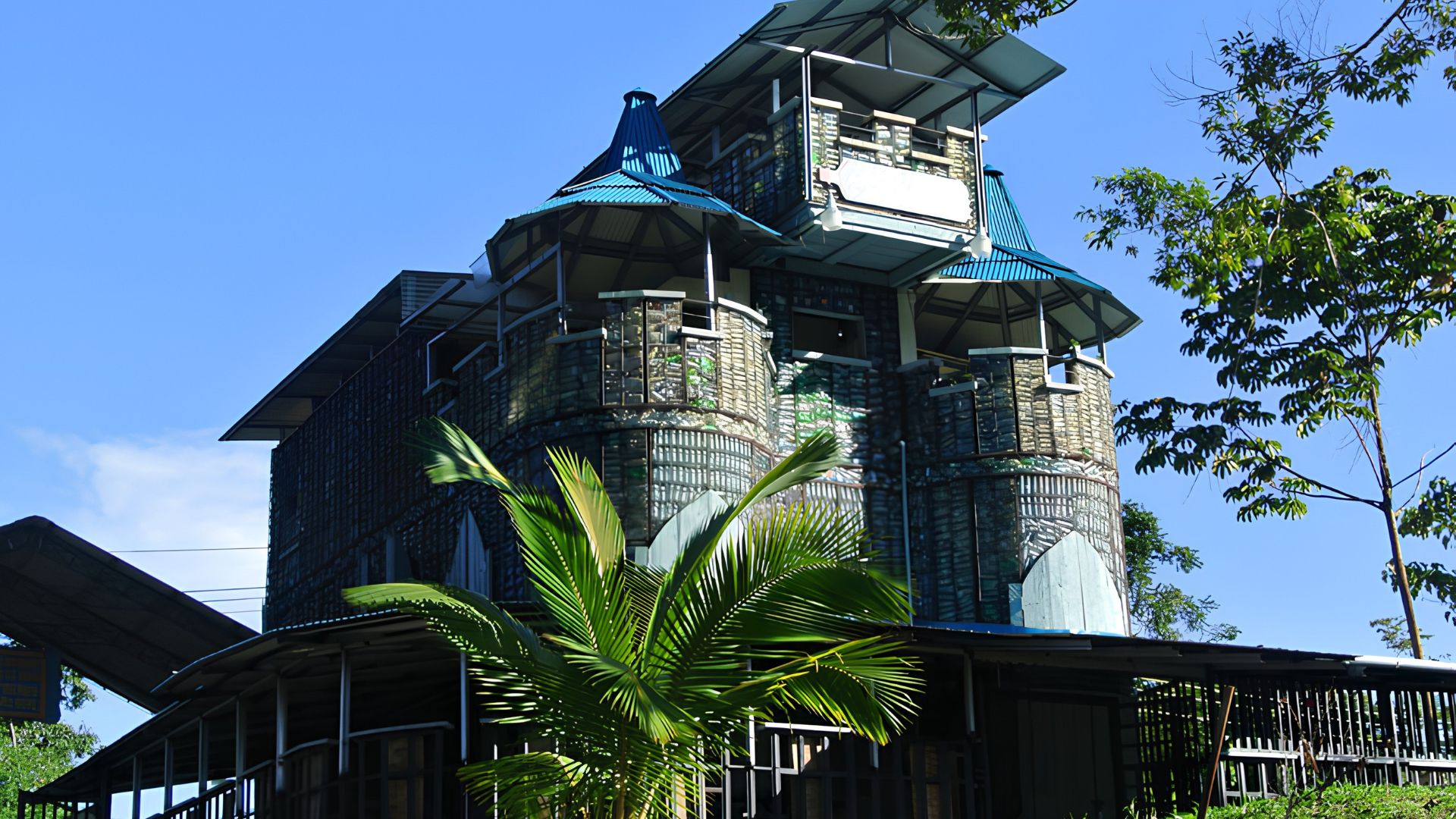
Four thousand PET bottles became a 24m² house in the interior of São Paulo, as ten students proved that it’s possible to build a home from floor to ceiling with recycled plastic, spending 30% less than a brick construction.


The material weighs up to five times less than concrete but maintains the same structural strength, which expands its applicability in urban projects.
Additionally, engineered wood allows for the creation of previously unthinkable shapes. The pieces treated against fire and insects offer safety and durability, dispelling the outdated notion that wood is fragile or vulnerable.
Iconic Constructions in Brazil
In the interior of São Paulo, a wood shopping center lifts columns of 3 meters and beams of up to 15 meters, marking a new chapter in civil engineering. In the historic center of São Paulo, a building from 1951 is now home to a restaurant made of wood, avoiding overload on old foundations.
These projects serve as showcases of possibilities, demonstrating that the material is not limited to residential or experimental projects but can compete in commercial and large-scale urban endeavors.
Homes Ready in Days and Less Waste
On the coast of Santos, houses and apartments are being built in clean sites, without water and with minimal waste generation. The walls arrive ready from the factory, with electrical systems, plumbing, and insulation already integrated.
This technology, known as wood frame, accelerates the delivery of housing, including social projects for low-income families.
This type of dry construction is seen as a rapid response to climate disasters and housing emergencies. In two months, for example, it was possible to build community centers for communities affected by flooding in Rio Grande do Sul in 2024.
Sustainability and New Horizons
Beyond speed, wood directly contributes to sustainability. Trees grown in certified areas absorb CO₂ during growth and continue to store carbon even after being transformed into building materials.
Every cubic meter of wood used replaces materials with a larger environmental footprint, such as concrete and steel.
The logic is simple: planted forests can function as open-air factories, with continuous harvesting and replanting, turning the sector into an ally in the fight against climate change.
The use of wood is making a strong comeback in construction and has moved from a supporting role to take on a leading role in fast, safe, and less polluting projects. From shopping centers to social projects, including historic buildings and affordable homes, the trend points to a more sustainable future.
Do you believe that wood can truly replace concrete on a large scale? Or do you still see resistance in the market to this change?
Leave your opinion in the comments; we want to hear your practical view.




Be the first to react!