






 Portuguese
  Spanish


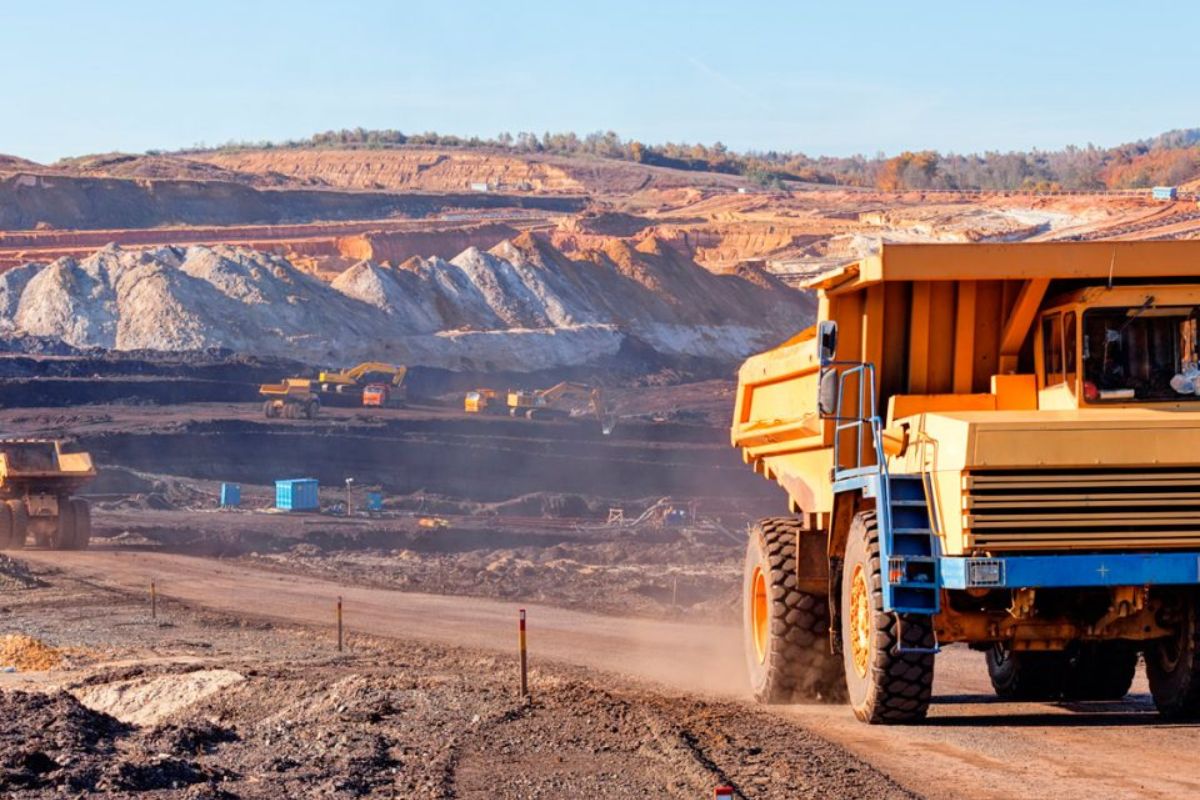

Discover Escondida, The Largest Copper Mine In The World Located In The Atacama Desert, Operated By BHP, Rio Tinto, And JECO. Details About Its Vast Production, Challenges, And Global Importance.
Located in the arid Atacama Desert in northern Chile, the Escondida mine is consistently recognized as the largest copper mine in the world. Since 1990, it has been a driving force in the global copper industry, a vital mineral for electrification and the transition to renewable energy.
This article explores Escondida in detail. We will cover its ownership structure, geological wealth, the history of its discovery and development, the complex mining and processing operations, its socioeconomic impact, sustainability challenges, and the future of this massive operation.
Escondida: The Copper Giant In The Heart Of The Atacama, A World Leader
The Escondida mine is not just a large mine; it is the largest copper mine in the world in terms of production and one of the largest in reserves. Its name, “Escondida”, reflects the fact that its main ore body was hidden beneath hundreds of meters of barren rock, not outcropping at the surface. Its discovery in 1981 was the result of targeted exploration.
-
U.S. Invests $75 Million in Projects to Extract Rare Earths, Gallium, Germanium, and Aluminum from Coal Waste

-
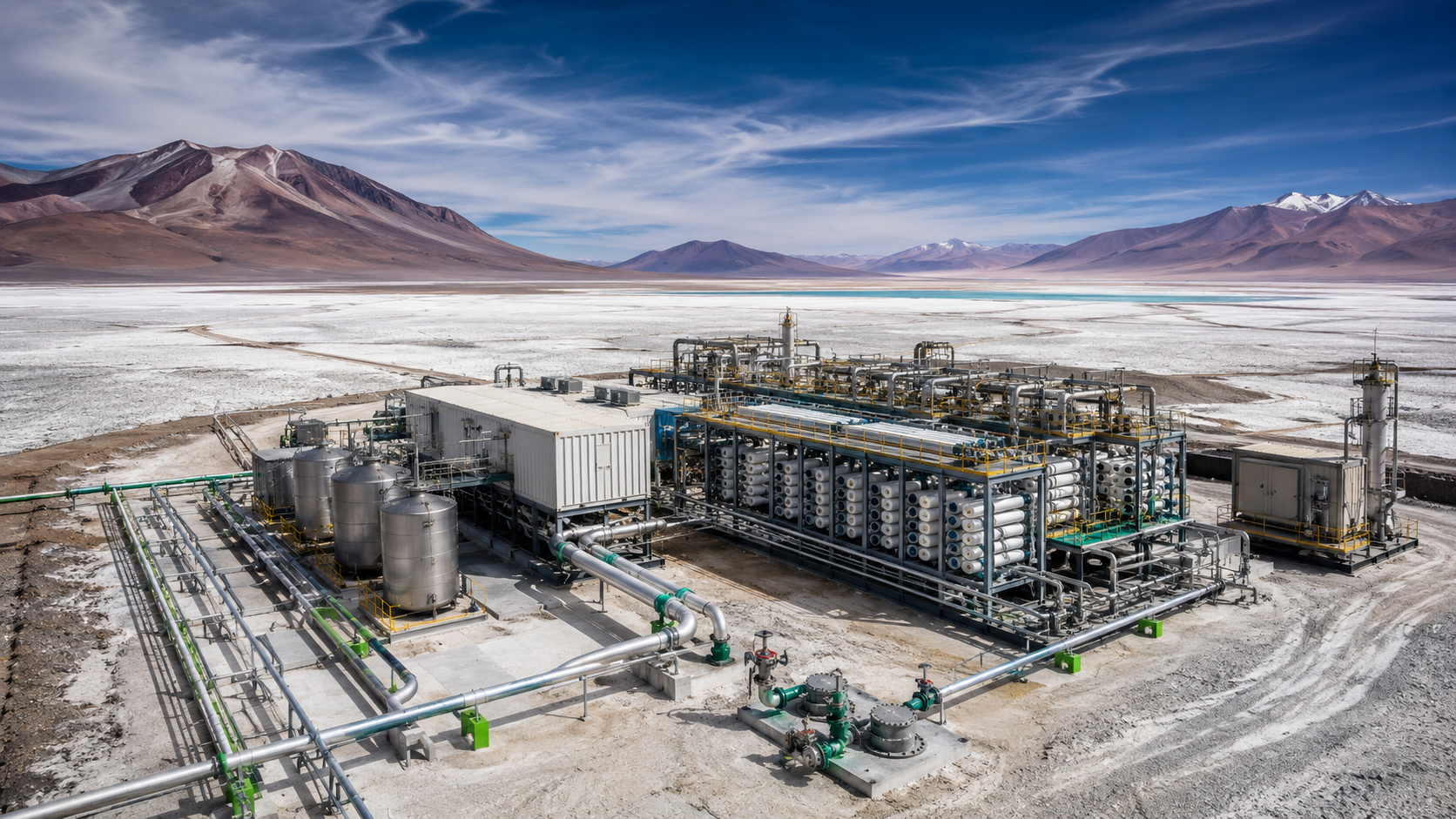
Eni Acquires 25% Stake in Chilean Lithium Project, Plans to Invest Up to $225 Million in Eco-Friendly Extraction Method
-
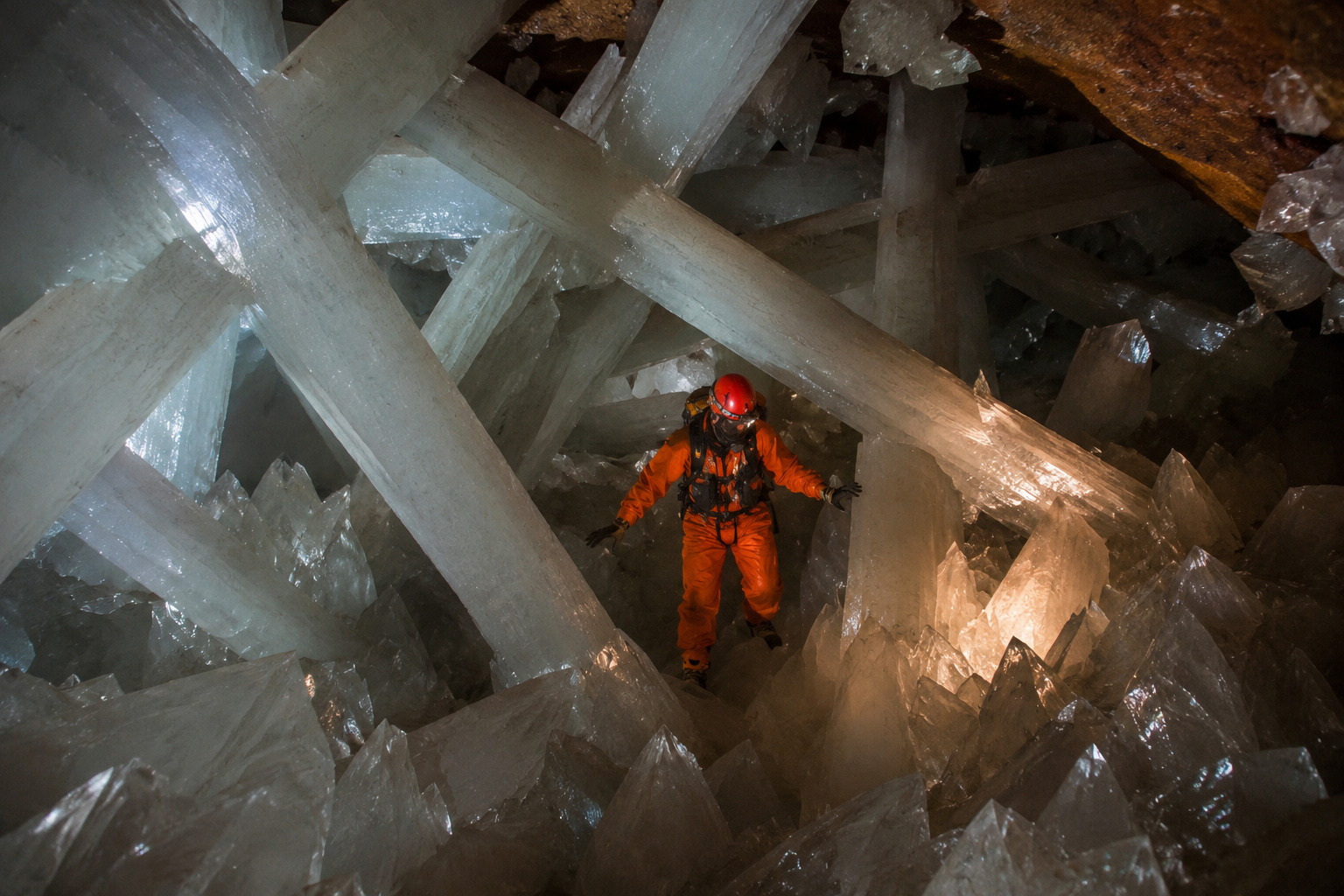
Mexico’s Giant Crystal Cave: A Deadly 58°C Underground Palace with 11-Meter Crystals Formed Over Nearly a Million Years

-
China Dominates Over 90% of Rare Earth Refining, Prompting Global Concerns: Canada and Japan Launch Billion-Dollar Plan to Reduce Dependency and Safeguard Batteries, Semiconductors, and Defense


The operation is a joint venture between mining giants. BHP holds the majority stake (57.5%) and acts as the operator. Rio Tinto has a significant 30% stake. The remaining 12.5% belongs to JECO Corporation, a consortium of Japanese companies led by Mitsubishi Corp., which seeks to secure strategic copper supply for the Japanese industry.
The Geological Treasure Of The Largest Copper Mine In The World: Reserves And Characteristics
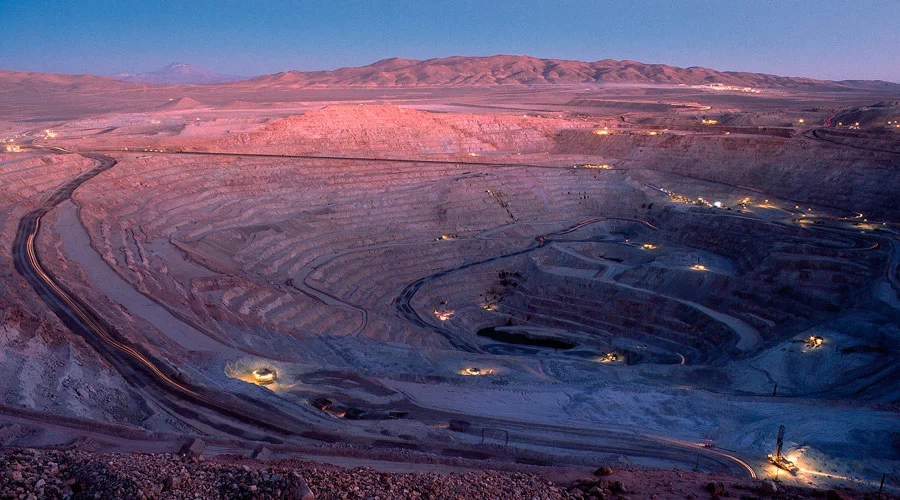
Escondida is a porphyry copper deposit, a type of geological formation that is the most important source of copper in the world. It is located in the Domeyko Fault Zone, a belt rich in other large Chilean copper deposits. The formation of the ore involved multiple complex geological stages, including significant supergene enrichment that concentrated the copper.
The primary sulfide ore has grades varying from 0.2% to 1% copper. The mine also produces significant amounts of gold and silver as by-products, increasing its economic value. Recent information from BHP (2024) indicates a remaining resource at Escondida of 26 billion tons with an average grade of 0.53% copper. The life span of the mine is estimated to last until at least 2078.
From Discovery To Mega Operation
The exploration that led to the discovery of Escondida began in 1978, with the main body of ore being identified on March 14, 1981. Construction started in 1988, and the first production occurred in late 1990. Since then, the mine has undergone numerous expansion phases to increase production and improve efficiency.
Currently, Escondida operates two main open-pit mines: Escondida and Escondida Norte. The ore is processed at three large concentrator plants and two leaching operations for low-grade ores (using solvent extraction and electrowinning – SX-EW). Given its location in the desert, support infrastructure is vital. The mine operates with 100% desalinated seawater, transported through pipes approximately 180 km long. Additionally, it is transitioning to a 100% renewable energy supply.
Production, Chilean Economy, And The Global Copper Market
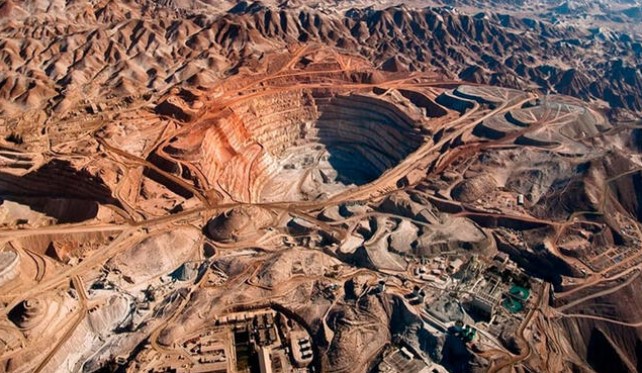
Escondida is consistently the largest copper producer in the world. In 2024, annual production was 1.28 million tons of copper. Production of by-products like silver is also relevant, with estimates of 4.92 million ounces in 2023.
The socioeconomic impact of the mine on Chile is crucial. It accounts for several percentage points of Chile’s Gross Domestic Product (GDP). BHP’s Chilean assets (mainly Escondida and Spence) contributed US$ 8.8 billion to the Chilean economy in fiscal year 2023, including significant payments in taxes and royalties. Escondida creates jobs and boosts regional development in Antofagasta.







NO CHILE PAGAM IMPOSTOS NA MINERAÇÃO? Aqui no Brasil pagam royalties de 3 a 5% alguns empregos e deixam um imenso buraco de lama que um dia vai romper, como em Brumadinho ou como em Maceió.