






 Portuguese
  Spanish


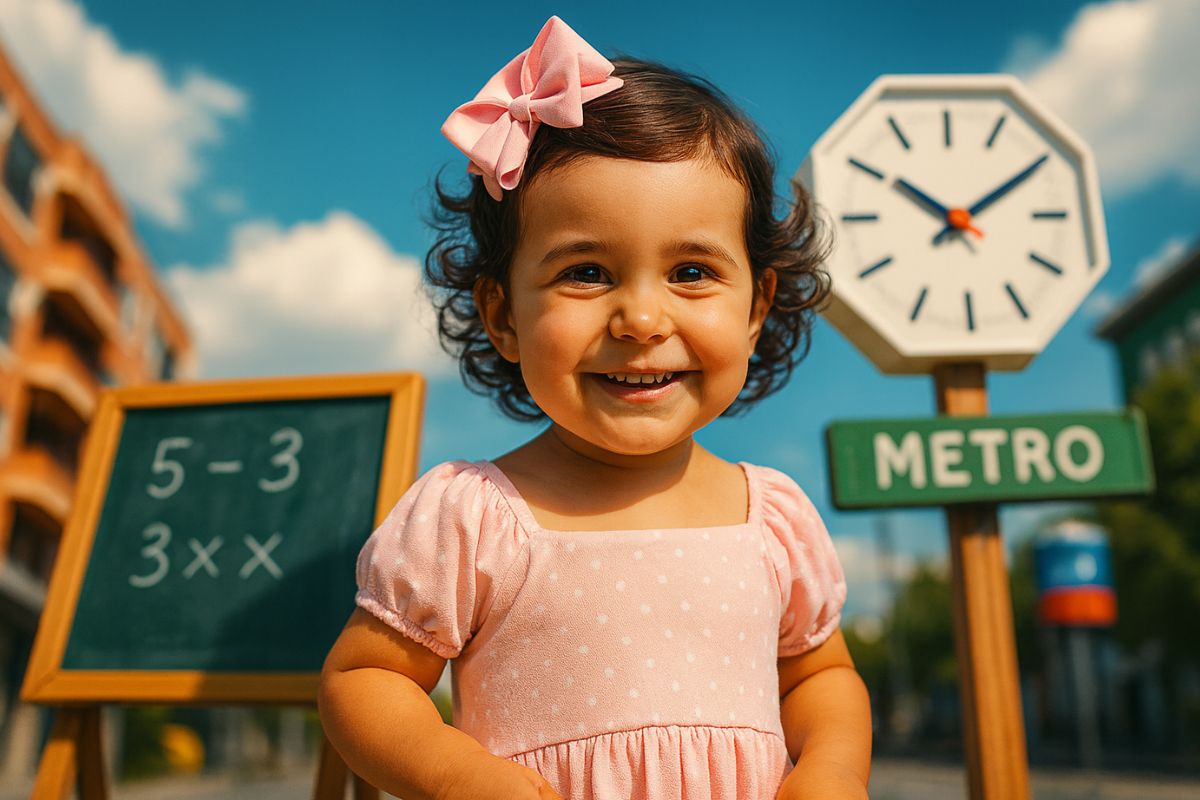


The Gifted Girl Lulu Mendonça, Four Years Old, Gained Millions of Followers with Spontaneous Videos and Received a Diagnosis of “Deep Giftedness,” a Case that Reignites the Debate on Identification, Specialized Education, and Ethical Limits of Child Exposure on the Internet.
The journey of a gifted girl of four years transformed home videos into a social phenomenon. Lulu Mendonça, known for her humorous interviews and unusual diction for her age, transitioned from family recordings to a massive audience, while specialists identified signs of deep giftedness and advanced executive functions for her age group. The diagnosis offers a technical framework for outlier skills, while also raising questions about education, emotional health, and image rights.
The case has become a mirror for contemporary trends: creator economy, digital parenthood, gaps in educational policy, and regulation of child labor on social media. Between celebrating talent and protecting childhood, practical dilemmas arise about how to assess, support, and monitor the development of a child with high cognitive ability and public visibility.
Who Is Lulu and How the Talent Emerged
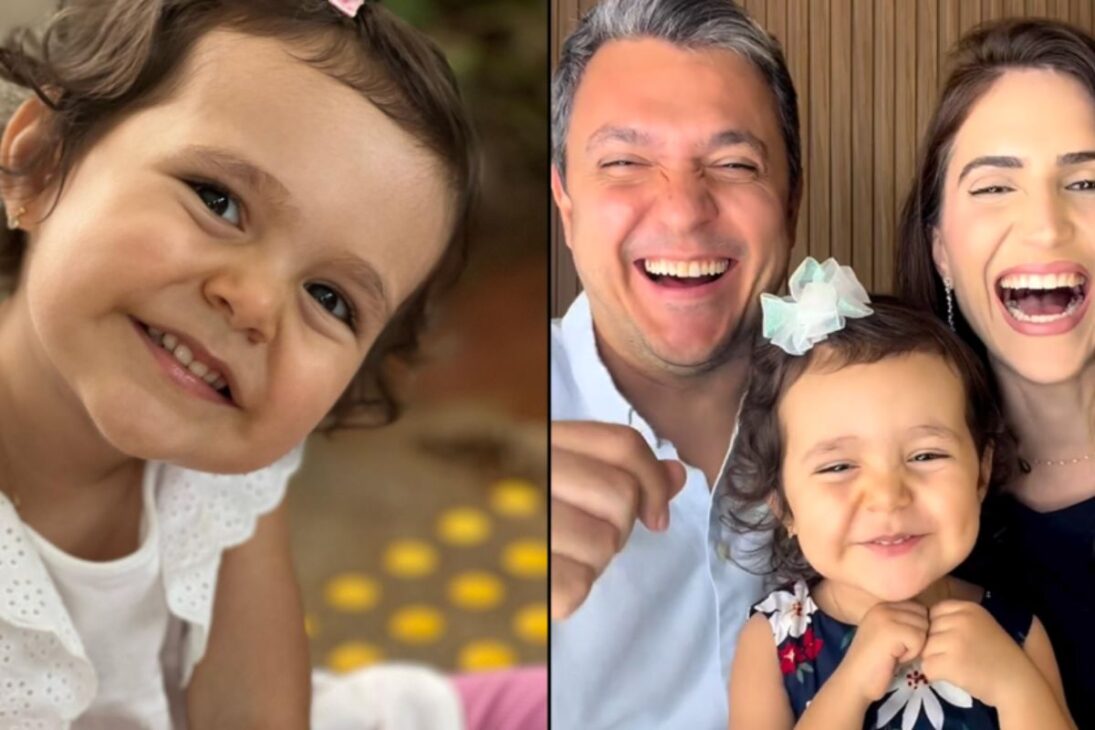
Lulu was born into an environment permeated by communication. The daughter of two professionals in the field, she grew up surrounded by reading, music, and open conversations.
-
21-Year-Old Brazilian Student Turns Homemade Popsicle Hobby into $100,000-a-Month Business

-
Australia Dumps Hundreds of Thousands of Tons of Gravel into Rivers to Restore Natural Barriers and Reverse 150 Years of Erosion

-
Bird-Inspired Robot Glides on Air Currents up to 10 m/s, Balances Itself, and Aims to Save Energy in Industrial Inspections and Meteorological Balloons
-
Eight Artists Secretly Lived in a Hidden 70m² Apartment Inside a Shopping Mall in Brazil for Four Years




Since the age of two, she displayed an extensive vocabulary, complex sentences, and quick reasoning, a set that stood out in spontaneous videos of interviews and home skits.
The turning point came when a recording at the radio station where her father works went viral.
Quick questions, humor, and naturalness established a persona of “mini adult,” with improvisation and social cognition above expectations for her age.
Fame did not start as a commercial project, but as sharing with relatives, evolving as the audience grew.
What Does “Deep Giftedness” Mean in the Case of the Gifted Girl
In the spectrum of giftedness and high abilities, the “deep” indicates the extreme of the cognitive continuum.
Beyond a very high IQ, the profile involves accelerated learning, early abstraction, intense curiosity, and robust memory.
In everyday life, this can appear as articulated communication, ability to maintain coherent dialogues, and understanding of context uncommon for the age.
This profile often comes with challenges.
Development is often asynchronous, with cognition ahead of socio-emotional repertoire.
Emotional intensity, perfectionism, and a sense of “not belonging” among peers of the same age are common.
In Lulu’s case, visibility increases the responsibility to monitor well-being, routines, and limits.
How Assessment Is Done and Why It Goes Beyond a Number
Rigorous identification is not limited to an isolated test. Clinical interviews, observation in multiple contexts, and standardized psychometric batteries make up the assessment.
Tools such as intelligence scales help map general reasoning, but the analysis includes executive functions, creativity, and socio-emotional profile, reducing the risk of confusing high ability with conditions such as ADHD or anxiety.
The goal is to build a detailed functional profile, useful for educational decisions.
In young children, this means adjusting expectations and avoiding accelerations without support, favoring enrichment proposals, personalized rhythms, and psychological monitoring when necessary.
The Brazilian Ecosystem and the Underidentification of Talents
Although international estimates point to a large potential contingent, Brazil officially identifies few students with high abilities and giftedness.
Among the causes are insufficient training of educators to recognize signs, scarcity of public assessment, and low social awareness of the subject.
This scenario creates a socioeconomic filter. Families with informational and financial capital tend to access diagnosis and support more easily, while children from vulnerable backgrounds remain invisible.
Civil society organizations and parent networks emerge to guide, map specialists, and create support communities, but the gap between what the law provides and what the school delivers remains significant.
Visibility, Childhood, and Ethical Limits in the Digital Environment
The early fame of a gifted girl raises alarms about continuous exposure.
Identity can become performative, responding to metrics of likes and comments, which demands clear family policies for protection, privacy, and “off” times.
Even with parental mediation, there is a digital footprint that the child does not yet understand, with unpredictable future effects.
There is also the debate about adultization and algorithmic encouragement of more “mature” content. In children’s profiles, the balance between spontaneity, limits, and monetization requires attention.
In Brazil, the legal framework for young influencers is still diffuse, and discussions about authorizations, working hours, reserve funds, and platform governance are gaining traction to reduce asymmetries and prevent abuses.
What to Observe from Now On
For families and schools, the focus should be on overall well-being. Predictable routines, appropriate stimuli, free play, and socialization among peers promote a soft landing of talent.
In education, curricular enrichment, interest-based projects, and socio-emotional mediation tend to work better than unsupported acceleration.
For the audience and the market, transparency and moderation are practical criteria. Content must respect age, preserve privacy, and avoid undue commercial exploitation.
Platforms and regulators are discussing clearer parameters, while high-visibility cases like Lulu’s help illuminate gaps in public policy and digital protection.
Lulu’s case encapsulates the legitimate enchantment of talent and the responsibility to ensure a protected childhood.
The combination of deep giftedness, extraordinary communication, and massive reach calls for care protocols, individualized educational plans, and consistent parental choices.
Celebrating ability and prioritizing well-being are not opposing paths. When they go hand in hand, they favor healthy and sustainable development.
In your opinion, what is the healthy limit of exposure for a child with above-average talent? What protection practices do you consider essential in the routine of a family in a similar situation? If you are an educator, what pedagogical adaptations have worked best with students of high abilities? We want to hear real experiences to enrich the debate on gifted children, education, and childhood in the digital age.






Infelizmente aqui no Brasil as escolas para essas crianças são escassas. Nem municipal nem estadual tem suporte para acompanhar uma criança nesse nível. A mídia explora muito e cobra resultados daquilo que não plantou, depende muito da condição financeira e a aptidão dos responsáveis senão essa “superdotação se torna um transtorno englobando CID, um após o outro.
Eles desafiam os professores que por sua vez batem de frente com esse aluno, sofrem bulliyng dos alunos da sala , tentam destruir porque não conseguem alcançar nem tampouco acompanhar o ritmo intelectual dessas crianças. Eles dependem de uma família muito bem estruturada para seguir em frente. O governo não oferece apoio. Todos acham bonitinho, dizem: Investe nele, tem uma vida brilhante pela frente… mas não fazem nada. Palavras o vento leva.
Escrevo com convicção pois tenho um filho superdotado cheio de transtorno por não ser compreendido. Classe social baixa, misericórdia, não sei o que é pior!
Lulu é criança, e vive como criança, até no se expressar, mesmo sendo superdotada. Sem contar que os pais são fundamentais para acompanhar e orientar filhos que possuem essa característica, evitando exposição. E os pais de Lulu executam com maestria esses cuidados.
Torço muito por essa menina e a família dela.
Gostaria que a infância dela fosse leve e livre.
Ela é muito linda, uma criança doce e amorosa.
Força e sabedoria para os pais lidarem da melhor forma.