






 Portuguese
  Spanish


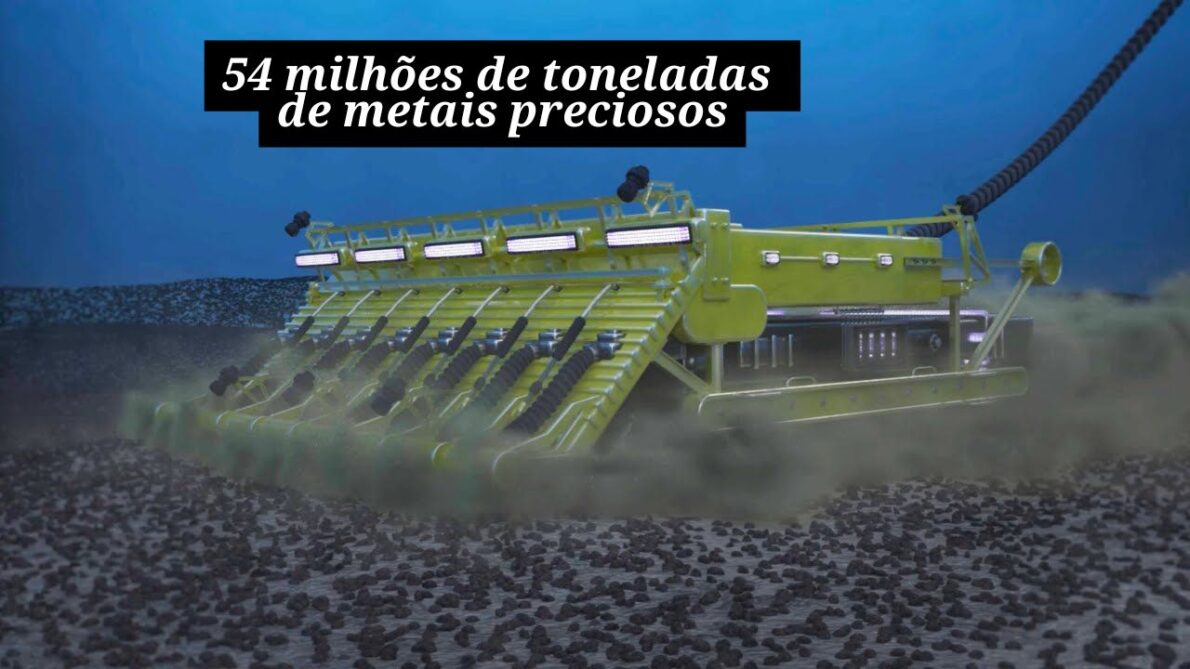

Discover How Deep-Sea Mining Could Revolutionize The Search For Precious Metal, But At What Environmental Cost?
You won’t believe what is hidden four kilometers below the ocean surface! Deep-sea mining is about to reveal precious metals that may be the key to the future of electrical technologies, but are we ready to pay the environmental price?
In the depths of the Pacific Ocean, specifically in the Clarion-Clipperton Zone, between Hawaii and Mexico, there are mysterious potato-shaped polymetallic nodules, rich in precious metals such as manganese, cobalt, nickel, and copper. It is estimated that an area slightly larger than Ireland could yield over 54 million tons of these metals, valued at over 20 billion dollars.
Deep-Sea Mining
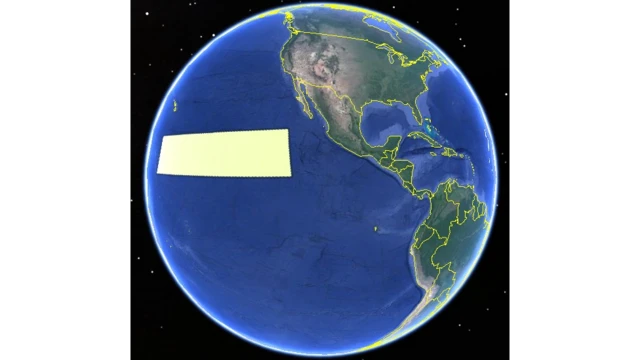
These nodules have been studied since 1873, when the HMS Challenger managed to collect samples from the seafloor. However, it is only recently that companies like DeepGreen Metals and The Metals Company have begun to seriously explore the possibility of extracting these resources through deep-sea mining.
-
China could reduce iron ore imports from 80% to 50% of consumption by 2030, while its share in global steel production falls from 52% to 46%, in a shift that could reshape the global market, says CMRG.

-
Brazil is sitting on one of the largest lithium reserves in the world, in the Jequitinhonha Valley, but national mining has almost become an appendage of China: 97% of the metal’s export goes to a single country, which also dominates refining.
-
Iron ore falls to 762 yuan in China as real estate sales decline and steel production hits lowest level since 2018
-
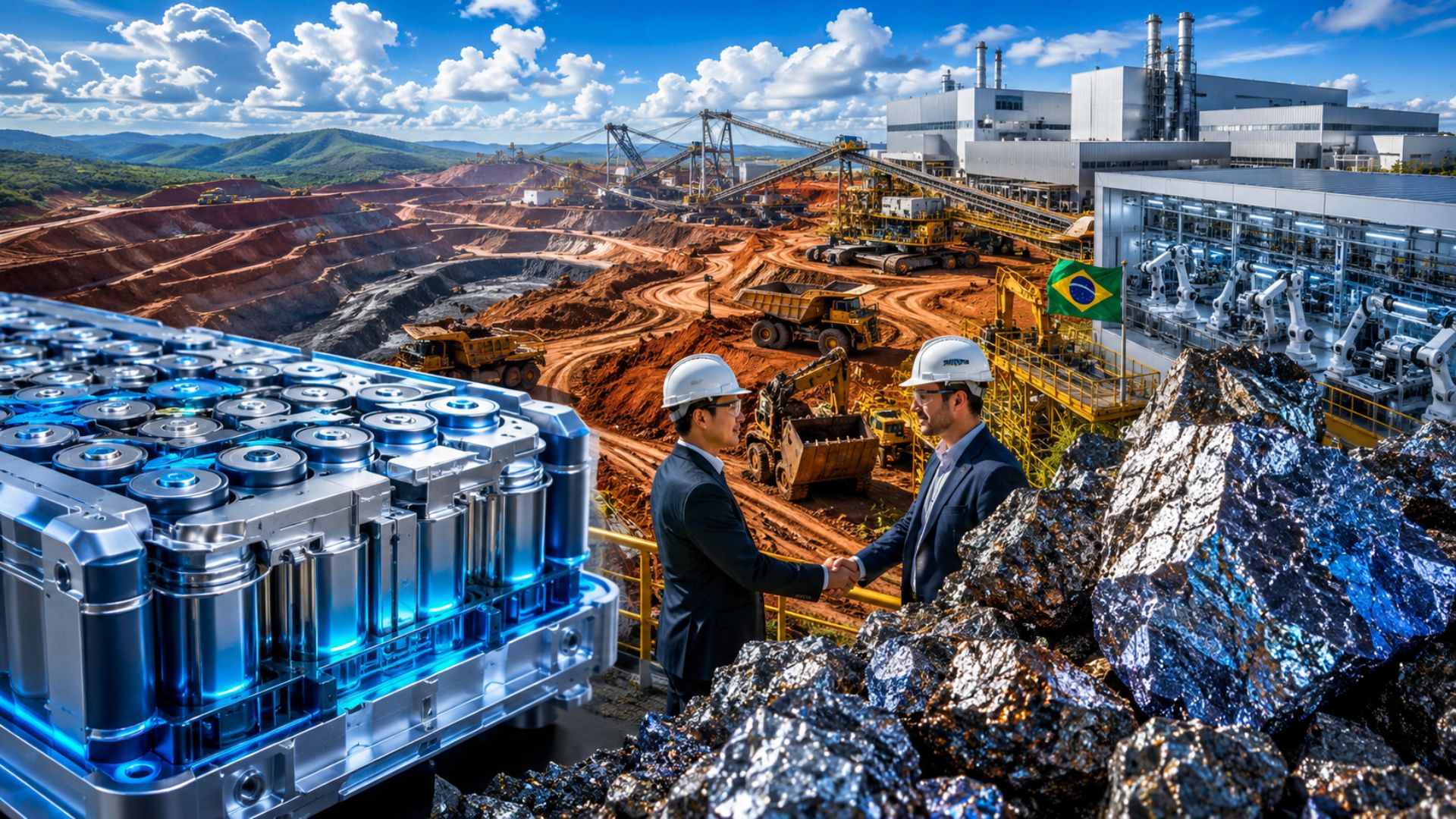
Brazil has minerals, clean energy, and a waiting market, but it could miss a billion-dollar opportunity if it doesn’t speed up the race for green minerals, while the steel industry seeks to reduce emissions.


“The value of these deposits is undeniable”, say industry experts. With the increasing demand for batteries for electric vehicles, these precious metals could solve critical problems in the supply chain. A single nodule can contain enough manganese, cobalt, nickel, and copper to produce several electric car batteries.
To collect these nodules, companies are developing autonomous collector robots, inspired by technology from the oil and gas industry. These robots traverse the seafloor, using water jets to dislodge the nodules and suck them, sending them to the surface through vertical pipes connected to support ships.
Scientists And Environmentalists Are Concerned
But not everything is good news. Scientists and environmentalists are concerned about the impact of deep-sea mining on deep marine ecosystems, which are poorly understood and may harbor undiscovered species. Studies conducted in the 1980s, such as the DISCOL project conducted by German researchers, showed that areas where mining was tested did not recover even after 33 years, with significantly reduced biodiversity and trails of sediment still visible.
Organisms such as the dumbo octopus (Grimpoteuthis) and marine sponges use these nodules as habitat. “The removal of these nodules could devastate entire ecosystems”, warns marine biologist Dr. Sylvia Earle, known for her advocacy for the oceans.
Mining These Precious Metals On Land Also Has Significant Environmental Impacts
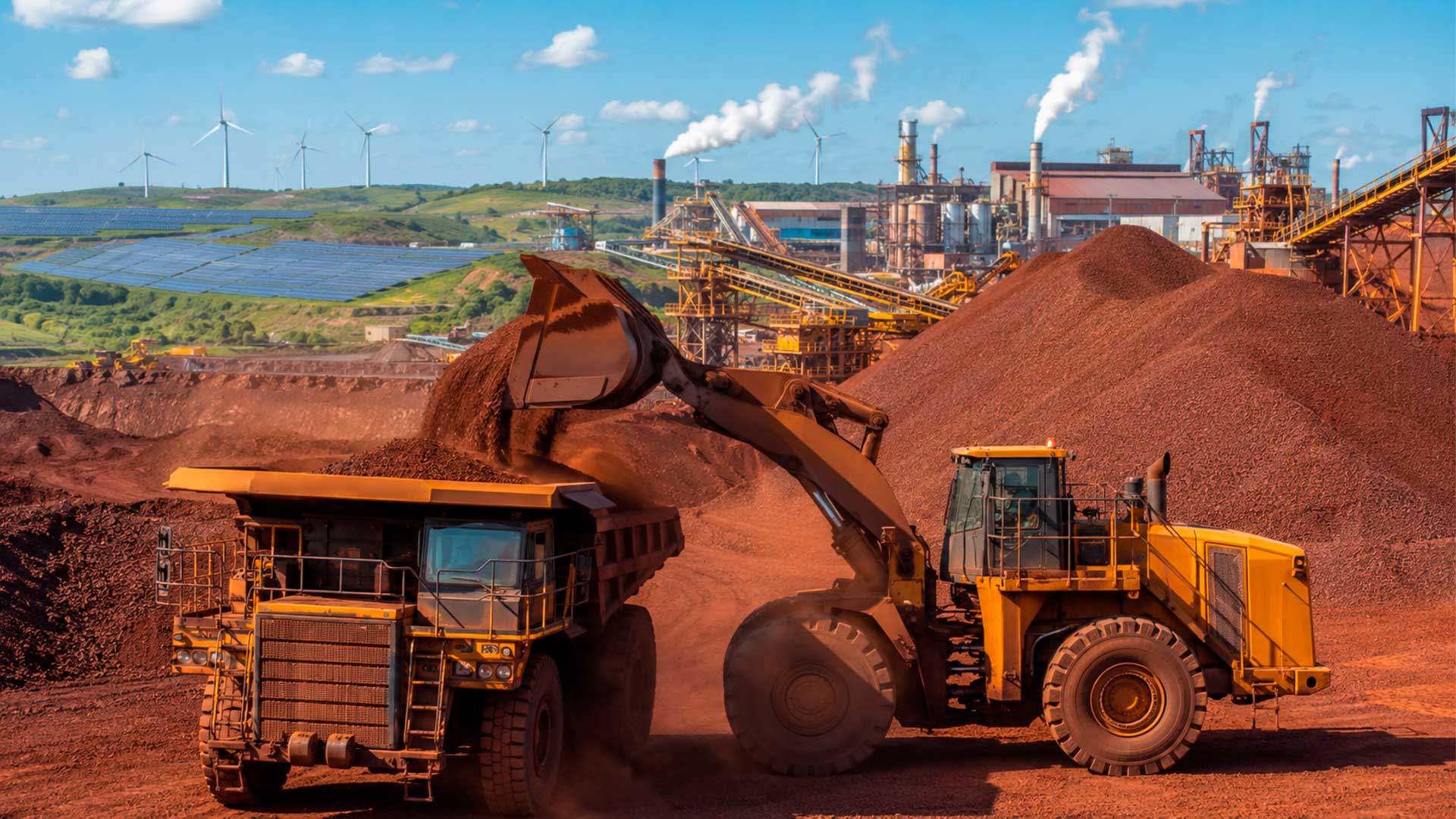
On the other hand, the alternative of mining these precious metals on land also has significant environmental impacts, such as deforestation and carbon emissions. Deep-sea mining could reduce emissions by up to 80% for some metals, due to the efficiency of extraction and transportation. “We are faced with an unprecedented ethical and environmental dilemma”, says researcher Dr. Craig Smith from the University of Hawaii.
We are facing a complex dilemma. We need these precious metals to accelerate the transition to renewable energy and combat the climate crisis, but is it worth risking an unknown ecosystem to save those we already know are in decline?
And what about you, what do you think about deep-sea mining? Is it the solution to our problems or a new environmental challenge? Leave your opinion in the comments!









Muito mais viável e sustentável que a mineração terrestre. Acredito que com tecnologia e tempo, os impactos da mineração em alto mar podem ser reduzidos!
Não tem como parar o ser humano vai se auto destruir isso é inevitável, somos perseguidor de objetivos e nunca vai parar!!!!
vão acabar com a carga natural do torus terrestre colhendo isto, vai deixar a terra mais estéril ainda…